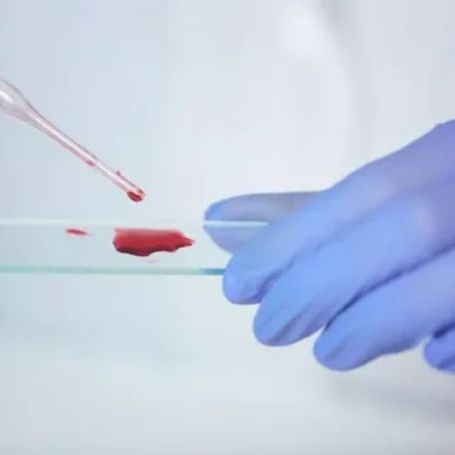
This test helps clinicians diagnose conditions like ringworm (tinea), candidiasis, onychomycosis (nail fungus), pityriasis versicolor, and various dermatophyte infections. Since fu

The KOH-MOUNT test, also known as Potassium Hydroxide Mount, is a simple, rapid, and highly effective diagnostic technique used to detect fungal infections of the skin, nails, and hair. It is one of the most commonly performed tests in dermatology because of its high accuracy, quick results, and cost-effectiveness. At Diagnopein Centre, Nashik, we offer high-quality KOH-MOUNT testing using advanced microscopy to ensure precise and early detection of fungal elements such as hyphae, spores, and budding yeast cells.
The KOH-MOUNT test is vital for the early detection of superficial fungal infections, which can often be misdiagnosed as eczema, psoriasis, or bacterial infections. Fungal infections spread fast if not treated early, especially on the scalp, nails, and moist body areas. A KOH examination provides a quick and reliable confirmation, helping dermatologists start appropriate antifungal therapy without delay.
Fast Diagnosis: Results can be obtained within minutes to hours.
Accurate Identification: Helps visualize fungal structures directly under the microscope.
Guides Treatment: Confirms whether an infection is fungal, preventing wrong medications.
Cost-Effective: A simple and affordable test for all patients.
Essential for Recurrent Cases: Useful in chronic or resistant fungal infections.
Supports Dermatologists: Enhances clinical decision-making, especially in doubtful cases.
Because of its simplicity and effectiveness, KOH-MOUNT is one of the first-line diagnostic tools recommended in dermatology clinics across Nashik and India.
The KOH-MOUNT test offers several advantages for both patients and clinicians:
Unlike culture tests that take weeks, a KOH preparation gives immediate microscopic confirmation. This helps doctors diagnose conditions instantly during patient visits.
Only skin scrapings, nail clippings, or hair samples are needed—making it safe, painless, and comfortable for all ages.
KOH dissolves keratin and skin debris, making the fungal hyphae and spores clearly visible.
With faster diagnosis comes timely treatment, preventing infection spread, recurrence, and complications.
Skin infections (tinea corporis, tinea cruris)
Nail infections (onychomycosis)
Hair and scalp infections (tinea capitis)
Mucosal fungal infections
At Diagnopein Nashik, the KOH-MOUNT test is offered at an affordable price with expert microscopic evaluation.
At Diagnopein Centre, Nashik, we follow a standard, sterile, and accurate testing method for preparing and evaluating KOH samples.
Depending on the suspected infection site, the sample may include:
Skin scrapings (from active lesion margins)
Nail clippings / nail debris
Plucked hair samples
Oral or genital swabs (if applicable)
A trained technician collects the sample carefully to ensure the presence of fungal elements.
The sample is placed on a clean glass slide, and 10–20% Potassium Hydroxide (KOH) solution is added.
KOH helps dissolve keratin, making fungal structures easier to visualize.
In some cases, mild heating is applied to enhance clearing of the sample. This step is optional and depends on sample type.
The prepared slide is observed under a microscope to detect:
Fungal hyphae
Budding yeast cells
Pseudohyphae
Spores
Dermatophytes
A detailed positive or negative report is generated, mentioning the presence of fungal elements. Dermatologists use this report to confirm fungal infections and plan treatment accordingly.
The KOH-MOUNT test helps identify different morphological fungal structures. Key parameters include:
Presence of Hyphae
Septate or Non-Septate Hyphae
Budding Yeast Cells
Pseudohyphae Formation
Dermatophyte Spores
Fungal Density / Load
Sample Quality & Visibility
These parameters assist doctors in distinguishing between types of fungal infections like dermatophytes, yeast, and mold infections.
Diagnopein Centre in Nashik is known for delivering accurate, fast, and reliable diagnostic services. We provide:
Advanced microscopy and modern lab facilities
Highly trained lab technicians
Fast reporting with expert review
Affordable pricing for all tests
Hygienic sample collection process
Trusted by dermatologists across Nashik
Our commitment to accuracy and early diagnosis ensures effective patient outcomes.
1. SPECIMEN
2. Space
3. Result:

Yes, the KOH mount test is safe. The use of potassium hydroxide is limited to the laboratory slide, and the procedure is non-invasive and well-tolerated by most patients.
No, the KOH mount test is specific to fungal infections. It cannot detect bacterial infections, as bacteria do not have the structural components that potassium hydroxide helps to dissolve.
The test is generally not painful. The sample is collected by gently scraping the affected area, which might cause minor discomfort, but it is not an invasive procedure.
There are generally no special preparations required for a KOH mount test. However, it is important not to apply topical antifungal creams or ointments before the test, as they may interfere with the results.