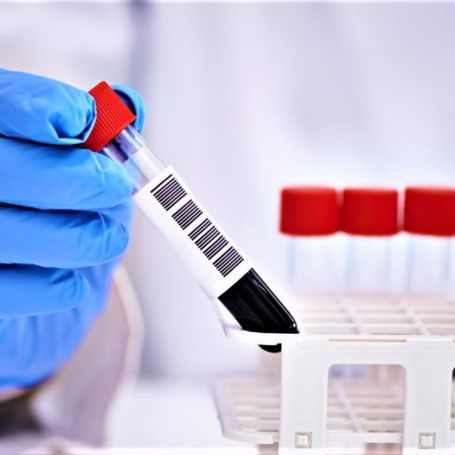
At Diagnopein Nashik Diagnostic Centre, we provide highly accurate Ionised Calcium testing using advanced analyzers and stringent quality protocols. This test is particularly usefu


Ionised Calcium, often called Free Calcium, is the active form of calcium circulating in the blood. Unlike total calcium—which includes protein-bound and inactive calcium—IoniSed Calcium represents the calcium your body can immediately use for essential functions. This makes Ionised Calcium testing crucial for understanding the true calcium status of the body.
Calcium is one of the most important minerals in the human body. It supports muscle function, bone health, nerve communication, blood clotting, and heart rhythm. However, only ionised calcium is biologically active. Even small deviations in its level can significantly impact health.
Key Reasons Why Ionised Calcium Matters:
Accurate Assessment of Calcium Status
Total calcium levels may give incorrect results in patients with abnormal protein or albumin levels. Ionised Calcium reflects the true usable calcium.
Crucial in Critical & Emergency Care
Conditions such as sepsis, organ failure, severe infections, and trauma can rapidly alter calcium levels. Ionised Calcium testing is essential for immediate decision-making.
Important for Renal & Liver Disorders
Patients with chronic kidney disease or liver disease often experience calcium imbalance. Ionised Calcium helps detect abnormalities early.
Helps Diagnose Hormonal Disorders
The parathyroid gland regulates calcium. Ionised Calcium levels help assess parathyroid hormone (PTH) activity.
Supports Treatment Monitoring
Patients taking vitamin D, calcium supplements, steroids, or hormonal therapy need regular Ionised Calcium testing for safe dosage adjustment.
At Diagnopein Nashik, the Ionised Calcium test supports clinicians with precise insights for accurate diagnosis and treatment planning.
Ionised Calcium testing offers several clinical advantages, making it a preferred diagnostic option for accurate metabolic evaluation.
It is unaffected by factors like albumin, dehydration, or protein imbalance.
Hypocalcemia (low calcium) and hypercalcemia (high calcium) can cause serious symptoms such as numbness, muscle cramps, kidney stones, confusion, and cardiac issues.
Patients on ventilators, dialysis, transfusions, or critical care monitoring require frequent Ionised Calcium evaluation.
Doctors use this test to adjust calcium and vitamin D therapy the right way.
Bone disorders like osteoporosis, rickets, and osteomalacia benefit from accurate calcium monitoring.
Thyroid dysfunction, parathyroid issues, pancreatitis, and malnutrition are diagnosed more accurately with Ionised Calcium.
The Diagnopein Centre Nashik ensures a patient-centric approach, offering fast results, advanced testing technology, and expert interpretation.
The Ionised Calcium test requires special sample handling to ensure accuracy. At Diagnopein Nashik, we follow stringent international guidelines for sample collection and processing.
1. Preparation
Fasting is usually not required, but your doctor may recommend it.
Avoid prolonged use of a tourniquet to prevent false results.
2. Blood Sample Collection
A trained phlebotomist collects venous blood using a heparinized syringe or tube specifically designed for Ionised Calcium testing.
3. Minimal Exposure to Air
The sample is kept sealed to prevent pH changes that can impact Ionised Calcium levels.
4. Rapid Processing
To ensure accuracy, the sample is tested immediately using ion-selective electrode technology.
5. Reporting & Interpretation
A detailed report is generated with Ionised Calcium value, clinical comments, and reference ranges.
Choosing the right diagnostic centre is essential when it comes to tests like Ionised Calcium, where even small variations in values can affect clinical decisions. Diagnopein Nashik is trusted by doctors, hospitals, and patients for delivering precise, fast, and reliable test results. Our commitment to quality, accuracy, and patient care makes us one of the most preferred diagnostic centres in Nashik.
At Diagnopein Nashik, Ionised Calcium testing is performed using state-of-the-art ion-selective electrode analyzers, ensuring highly accurate and consistent results. We follow strict protocols to maintain test precision, especially for sensitive parameters like Ionised Calcium.
Ionised Calcium levels can change rapidly due to air exposure or delayed testing. Our trained phlebotomists and laboratory professionals follow international guidelines for immediate sample processing, ensuring reliability and zero pre-analytical errors.
We understand that timely results are crucial for patient management, especially for those in critical care or undergoing calcium or vitamin D therapy. Diagnopein Nashik provides quick and efficient reporting, without compromising accuracy.
Our consistency, accuracy, and transparent testing methods have made Diagnopein a preferred partner for physicians across Nashik. They rely on our Ionised Calcium results for diagnosing metabolic disorders, kidney conditions, hormonal imbalances, and more.
We believe in offering high-quality diagnostic testing at reasonable prices. The Ionised Calcium test at Diagnopein Nashik is cost-effective, ensuring that patients receive premium diagnostic care without financial burden.
From sample collection to waiting areas, we maintain high standards of hygiene and patient comfort. Every patient is treated with care, respect, and professionalism.
Along with Ionised Calcium, we offer a wide range of tests including kidney function tests, liver function tests, vitamin profile, thyroid panel, electrolytes, hormone tests, and more—making Diagnopein Nashik a one-stop destination for complete health evaluation.

At Diagnopein, we strive to deliver results within 24 hours, providing timely information for your healthcare needs.
Total calcium includes both ionised (free) calcium and calcium bound to proteins. The ionised calcium test specifically measures the free calcium, which is biologically active.
In most cases, fasting is not required. However, you should follow any specific instructions provided by your healthcare provider or the diagnostic lab.
Yes, certain medications, especially diuretics, antacids, and calcium supplements, can impact ionised calcium levels. Inform your healthcare provider of any medications you’re taking before the test.
Conditions like kidney disease, liver disease, thyroid or parathyroid disorders, and malnutrition can all impact calcium levels.
A blood sample is drawn from a vein in the arm. This sample is then analyzed to measure the concentration of ionised calcium.