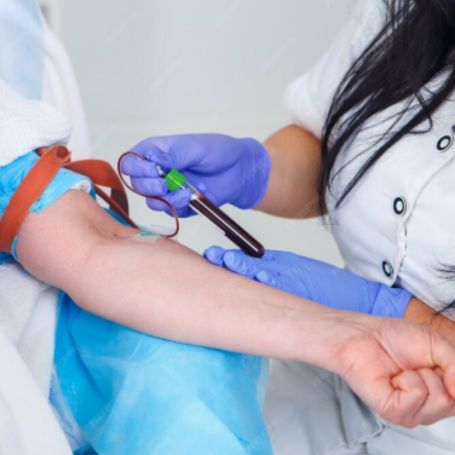
The purpose of the HPE - Breast Sample test is to identify cellular changes that may indicate diseases such as fibroadenoma, ductal carcinoma, lobular carcinoma, or masti


The HPE - Breast Sample test, or Histopathological Examination of breast tissue, is a crucial diagnostic procedure where a breast tissue sample is examined microscopically to detect any abnormal, pre-cancerous, or cancerous conditions. At Diagnopein diagnostic centre, Nashik, this test is performed by expert pathologists using advanced histopathology equipment to deliver accurate, reliable, and timely results.
The HPE - Breast Sample test plays a vital role in the diagnosis and management of breast diseases. While imaging tools like mammograms or ultrasounds can reveal abnormalities, they cannot confirm the nature of those changes. Only histopathological examination can accurately determine if a lump or lesion is benign or malignant.
Early detection of breast abnormalities through HPE testing helps specialists design effective treatment plans. Oncologists and surgeons depend on the findings of the HPE - Breast Sample report to decide on therapies such as lumpectomy, mastectomy, chemotherapy, or hormone therapy. This test also helps determine the tumor grade and stage, essential for prognosis and follow-up care.
At Diagnopein diagnostic lab in Nashik, all tissue samples are processed using strict quality standards. The evaluation is done under high-resolution microscopes, providing detailed insights into tissue morphology, cellular architecture, and patterns of disease. This makes the HPE - Breast Sample test at Diagnopein Nashik an indispensable component in breast cancer diagnostics and women’s health screening.
The HPE - Breast Sample test procedure follows a scientific process that ensures the sample remains intact for accurate study and reporting.
Sample Collection:
The doctor collects a small piece of breast tissue through needle biopsy, core biopsy, or surgical excision. The sample is carefully labeled and sent to the Diagnopein histopathology department.
Fixation:
The collected tissue is preserved in a formalin solution, which prevents degradation and maintains cell structure for examination.
Tissue Processing and Embedding:
The preserved tissue is dehydrated and embedded in paraffin wax to provide support for thin slicing.
Sectioning and Staining:
The tissue is then sliced into very thin sections and stained with hematoxylin and eosin (H&E). Special stains may be added if additional cellular details are needed.
Microscopic Examination:
A qualified pathologist at Diagnopein Nashik reviews the slides under a microscope, identifying any abnormalities or signs of malignancy. The detailed pathology report includes all necessary observations and final diagnosis.
The entire procedure is carried out with precision, ensuring accuracy and fast report generation. At Diagnopein, theHPE breast tissue test results are typically available within a few working days, enabling timely medical action.
The histopathological report from the HPE - Breast Sample test provides essential information that guides clinical decisions. The parameters generally include:
Type of breast lesion (benign, pre-malignant, or malignant)
Tumor classification (ductal carcinoma, lobular carcinoma, or other types)
Tumor grade indicating aggressiveness
Margin status and invasion of nearby tissues
Lymphovascular involvement
Presence of necrosis or calcification
Hormone receptor testing (if applicable)
Each of these parameters provides insights into the biological behavior of the lesion and helps doctors plan targeted therapy. A clear understanding of the histological type and grade allows precision-based treatment and better patient management.
Choosing Diagnopein diagnostic centre, Nashik for HPE - Breast Sample testing ensures access to modern pathology infrastructure, expert medical staff, and trusted diagnostic outcomes. Some major benefits include:
Accurate and dependable results: Advanced microscopes and staining technologies deliver trustworthy outcomes.
Experienced pathologists: Every report is reviewed by skilled histopathologists with years of clinical experience.
Quick turnaround time: Timely processing supports fast medical decisions.
Detailed reporting: Reports include morphology details, diagnosis, and interpretive comments for the treating doctor.
Patient safety and confidentiality: Tissue handling and reporting follow strict ethical and laboratory standards.
Seamless consultation: Diagnopein offers result interpretation support to assist doctors and patients.
Accurate histopathology can make the difference between early cure and delayed detection, and Diagnopein Nashik’s HPE breast test ensures no detail is overlooked.
Diagnopein is one of Nashik’s leading diagnostic laboratories offering advanced histopathology, cytology, and clinical pathology services. The center is known for precision-driven testing, compassionate patient support, and adherence to global diagnostic standards.
Our HPE - Breast Sample test in Nashik is backed by modern microscopic technology, automated processing units, and expert pathologists. Whether for preventive screening or cancer evaluation, Diagnopein ensures scientifically validated results within a reasonable turnaround time.
Choosing Diagnopein means choosing trust, reliability, and accuracy. Every breast tissue sample is handled with utmost care, ensuring that patients and physicians receive a complete, clear, and clinically relevant report.

While the biopsy is generally safe, there are minor risks involved, such as bleeding, infection, and bruising at the biopsy site. Discuss any concerns with your healthcare provider before the procedure.
A positive result indicates the presence of cancerous cells in the tissue sample. This requires further evaluation and discussions regarding treatment options with healthcare providers.
The breast tissue sample can be collected through various biopsy methods, including Fine Needle Aspiration (FNA), Core Needle Biopsy, Excisional Biopsy, or Incisional Biopsy. The method used depends on the size and location of the suspicious area.
The level of discomfort varies by the type of biopsy performed. Fine Needle Aspiration typically involves minimal discomfort, while excisional biopsies may require anesthesia, resulting in a pain-free experience during the procedure.





