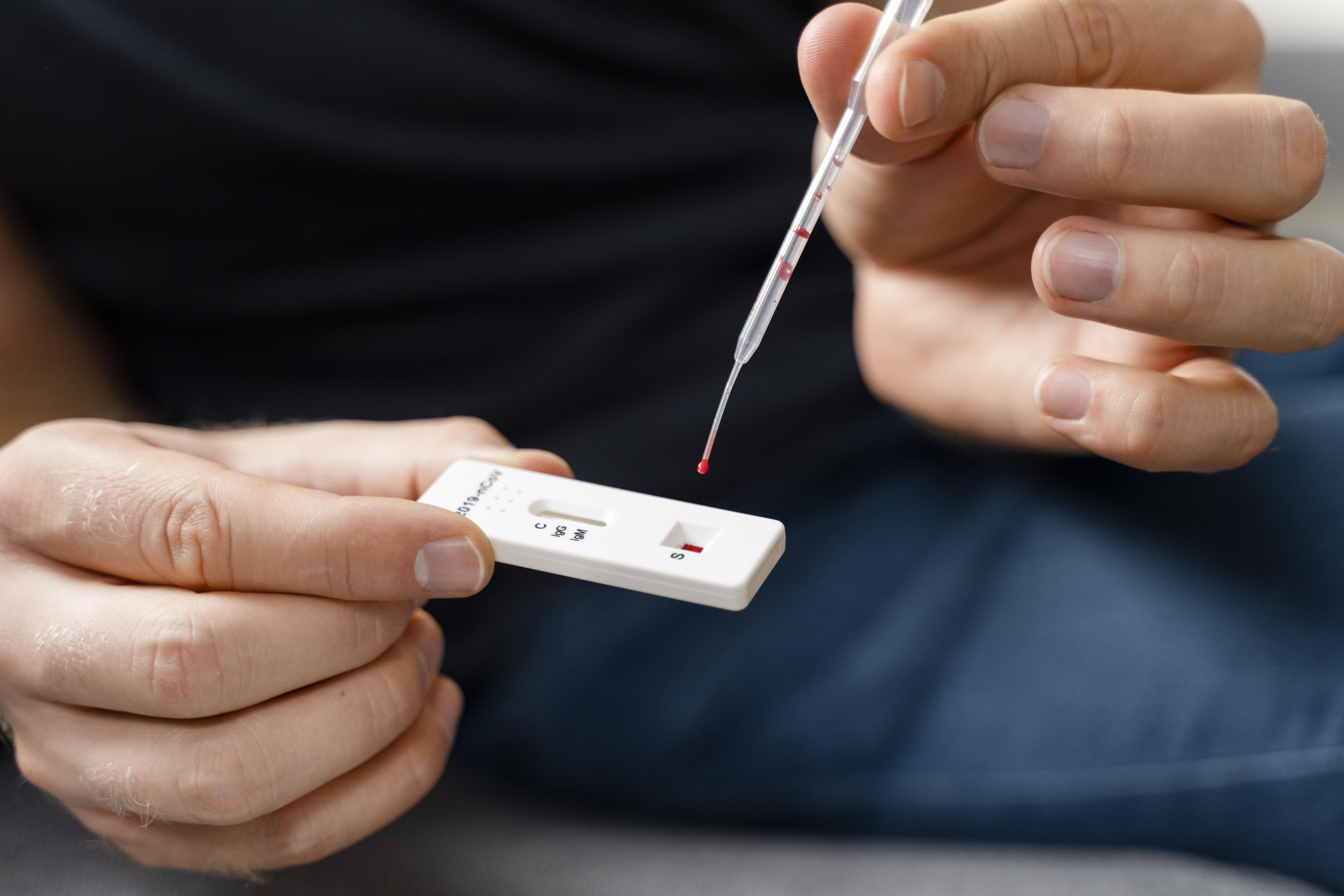
At DIAGNOPEIN Nashik centre, we specialize in accurate Gram stain tests for ascitic fluid, enabling fast identification of Gram-positive bacteria


The Gram-Stain – Ascitic Fluid test is a critical diagnostic procedure performed at DIAGNOPEIN Nashik to detect bacterial infections in ascitic fluid. Ascitic fluid accumulation in the abdomen often occurs due to liver cirrhosis, kidney disease, abdominal infections, or malignancies. Early detection of infection in ascitic fluid can prevent life-threatening complications like sepsis, renal failure, and shock.
Detecting bacterial infection in ascitic fluid is crucial for early intervention and effective treatment. Patients with liver cirrhosis, peritoneal dialysis, abdominal trauma, or cancer are at high risk of ascitic fluid infection. The Gram-Stain test is important because:
It provides rapid detection of bacteria in ascitic fluid.
It distinguishes Gram-positive bacteria from Gram-negative bacteria, guiding antibiotic selection.
It enables early diagnosis of acute bacterial peritonitis and related complications.
It allows monitoring of post-treatment infection response.
It reduces the risk of severe complications by facilitating prompt medical intervention.
At DIAGNOPEIN Nashik, we use state-of-the-art laboratory equipment and expert microbiologists to ensure reliable and fast results forGram stain ascitic fluid analysis.
The Gram-Stain – Ascitic Fluid test at DIAGNOPEIN Nashik offers numerous benefits:
The Gram-Stain test identifies bacteria directly from ascitic fluid, even before culture results, enabling early treatment of ascitic infections.
Differentiation between Gram-positive and Gram-negative bacteria helps doctors select targeted antibiotics, improving treatment outcomes.
For patients with cirrhosis, immunocompromised conditions, or abdominal trauma, early infection detection is critical. DIAGNOPEIN Nashik ensures quick Gram stain results for ascitic fluid, assisting emergency care.
The Gram-Stain Ascitic Fluid test is affordable and provides accurate preliminary results, making it ideal for routine monitoring and emergency situations.
The test supports diagnosis of:
Spontaneous Bacterial Peritonitis (SBP)
Secondary bacterial peritonitis
Post-surgical abdominal infections
Peritoneal dialysis-related infections
At DIAGNOPEIN Nashik, the Gram-Stain test follows a precise procedure:
Certified healthcare professionals collect ascitic fluid via paracentesis under sterile conditions to prevent contamination.
A drop of ascitic fluid is placed on a sterile glass slide and heat-fixed for staining.
The slide is processed using standard Gram staining reagents:
Crystal violet
Iodine solution
Alcohol decolorizer
Safranin counterstain
A trained microbiologist examines the slide to identify:
Bacterial presence
Bacterial type (Gram-positive or Gram-negative)
Morphology (cocci, bacilli, chains, clusters)
Results are documented clearly with recommendations for further management. In many cases, culture tests are suggested for comprehensive bacterial identification.
The Gram-Stain – Ascitic Fluid test evaluates:
Presence or absence of bacteria
Gram reaction (positive/negative)
Bacterial morphology (cocci, bacilli, chains, clusters)
WBC visibility (indicative of infection)
Clarity and background of fluid
Signs of inflammatory reaction
These parameters help clinicians assess infection severity and guide treatment planning.
DIAGNOPEIN Nashik is a trusted diagnostic centre offering accurate Gram-Stain – Ascitic Fluid tests with:
Expert microbiologists for precise evaluation
State-of-the-art laboratory equipment
Fast reporting and online result access
Affordable pricing for all patients
Patients in Nashik rely on DIAGNOPEIN for safe, efficient, and high-quality Gram stain testing of ascitic fluid.

There is no specific "normal range" for ascitic fluid since its presence generally indicates an underlying condition. However, the protein content and cell count in the fluid can provide important diagnostic information.
Paracentesis is a procedure where fluid is removed from the abdomen for diagnostic or therapeutic purposes. It is often done to relieve discomfort caused by ascites or to diagnose infections, cancer, or other diseases.
A positive Gram stain means that bacteria have been detected in the ascitic fluid, which could indicate an infection like spontaneous bacterial peritonitis (SBP). Immediate treatment is usually required.
An ascitic fluid culture is a laboratory test that grows bacteria from a fluid sample collected during paracentesis. This test confirms the type of bacteria present and helps doctors choose the most effective antibiotics.
The Gram stain test for ascitic fluid helps identify the presence of bacteria in the fluid collected from the abdominal cavity. It distinguishes between Gram-positive and Gram-negative bacteria, aiding in the diagnosis and treatment of infections like spontaneous bacterial peritonitis.