This test is particularly important for patients experiencing chronic skin infections, nail discoloration, persistent respiratory infections, or immunocompromised conditions. By is

Fungal infections, though sometimes overlooked, can significantly affect health if left untreated. The Fungal Culture (AC-Tap) test is a specialized laboratory procedure used to detect and identify fungal organisms from various body sites such as skin, nails, and respiratory secretions. At Diagnopein Nashik, we provide precise fungal culture testing using advanced laboratory equipment and trained microbiologists.
The Fungal Culture (AC-Tap) test is essential for the proper diagnosis and management of fungal infections. While microscopic examinations can give preliminary indications, only fungal culture can provide definitive identification of the fungus involved.
Early and accurate identification is crucial because different fungi require different treatment approaches. For instance, dermatophytes, yeasts, and molds each respond differently to antifungal medications. A wrongly prescribed treatment may prolong infection or cause complications.
In hospital settings and for high-risk patients, such as those with diabetes or immune deficiencies, fungal infections can escalate quickly. AC-Tap cultures allow early detection and prevent systemic spread, safeguarding patient health.
The Fungal Culture (AC-Tap) test offers multiple benefits:
Precise Identification: Accurately determines the type of fungus causing the infection.
Targeted Treatment: Helps doctors prescribe the most effective antifungal therapy.
Reduces Complications: Early detection prevents systemic infections and chronic conditions.
Monitors Therapy: Tracks the effectiveness of ongoing treatment.
Safe and Non-Invasive: Minimal discomfort during sample collection.
Reliable Results: Laboratory-controlled growth ensures accurate diagnosis.
By providing clear results, the fungal culture test at Diagnopein Nashik ensures optimal treatment and faster recovery.
The Fungal Culture (AC-Tap) test is straightforward but highly effective. The process atDiagnopein Nashikis carried out under strict laboratory protocols:
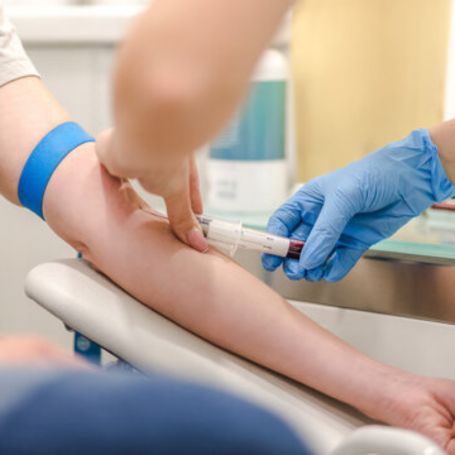
Sample Collection: A small sample is taken from the affected area – skin scraping, nail clippings, or respiratory secretions.
Culture Preparation: The sample is placed on a culture medium that promotes fungal growth.
Incubation: The sample is incubated under controlled temperature and humidity to encourage fungal colony growth, usually for several days.
Observation and Identification: Microbiologists examine the colonies, identifying the fungus based on morphology, color, texture, and microscopic characteristics.
Reporting: A detailed report is provided, specifying the fungal type and recommended antifungal treatment.
The AC-Tap method ensures minimal contamination and highly accurate results.
During the Fungal Culture (AC-Tap) test, several important parameters are evaluated:
Type of Fungus: Yeasts, dermatophytes, molds, or opportunistic fungi.
Colony Morphology: Size, shape, texture, and color of fungal colonies.
Growth Rate: Indicates fungal activity and infection severity.
Antifungal Sensitivity: Helps in choosing the most effective medication for treatment.
Understanding these parameters ensures personalized treatment, monitoring therapy effectiveness, and preventing recurrent infections.
Patients with chronic skin infections, rashes, or nail problems
Individuals with persistent respiratory infections
Immunocompromised patients (diabetes, HIV, organ transplant)
People with suspected systemic fungal infections
Those with recurrent fungal infections not responding to treatment
Testing at Diagnopein Nashik ensures timely diagnosis and effective treatment plans.
1. Culture Method
2. Sample
3. Colony Count
4. Organism(s) Isolated
5. Culture Report: Culture yields growth of
6. Culture isolated after 7 days :
7. Culture isolated after 14 days:
8. Culture isolated after 21 days:
9. Ampicillin
10. Amikacin
11. Amoxicillin clavulanate
12. cefoperazon+sulbactam
13. Cefuroxime
14. Cefepime
15. Cefotaxime
16. Ciprofloxacin
17. Ertapenem
18. Gentamicin
19. Imipenem
20. Meropenem
21. Norfloxacin
22. Nitrofurantoin
23. Piperacillin-tazobactam
24. Trimethoprim-Sulfamethoxazole (Cotrimoxazole)

The test is usually painless. If a blood sample or tissue biopsy is required, you may feel mild discomfort similar to any other blood test or minor procedure.
The fungal culture test is used to diagnose fungal infections by identifying the specific fungi causing the infection. It helps doctors determine the most effective treatment.
The results of a fungal culture test can take anywhere from a few days to several weeks, depending on the type of fungus being cultured.
The procedure involves taking a sample from the suspected infection site, such as blood, tissue, or other body fluids. The sample is then sent to the lab for analysis.