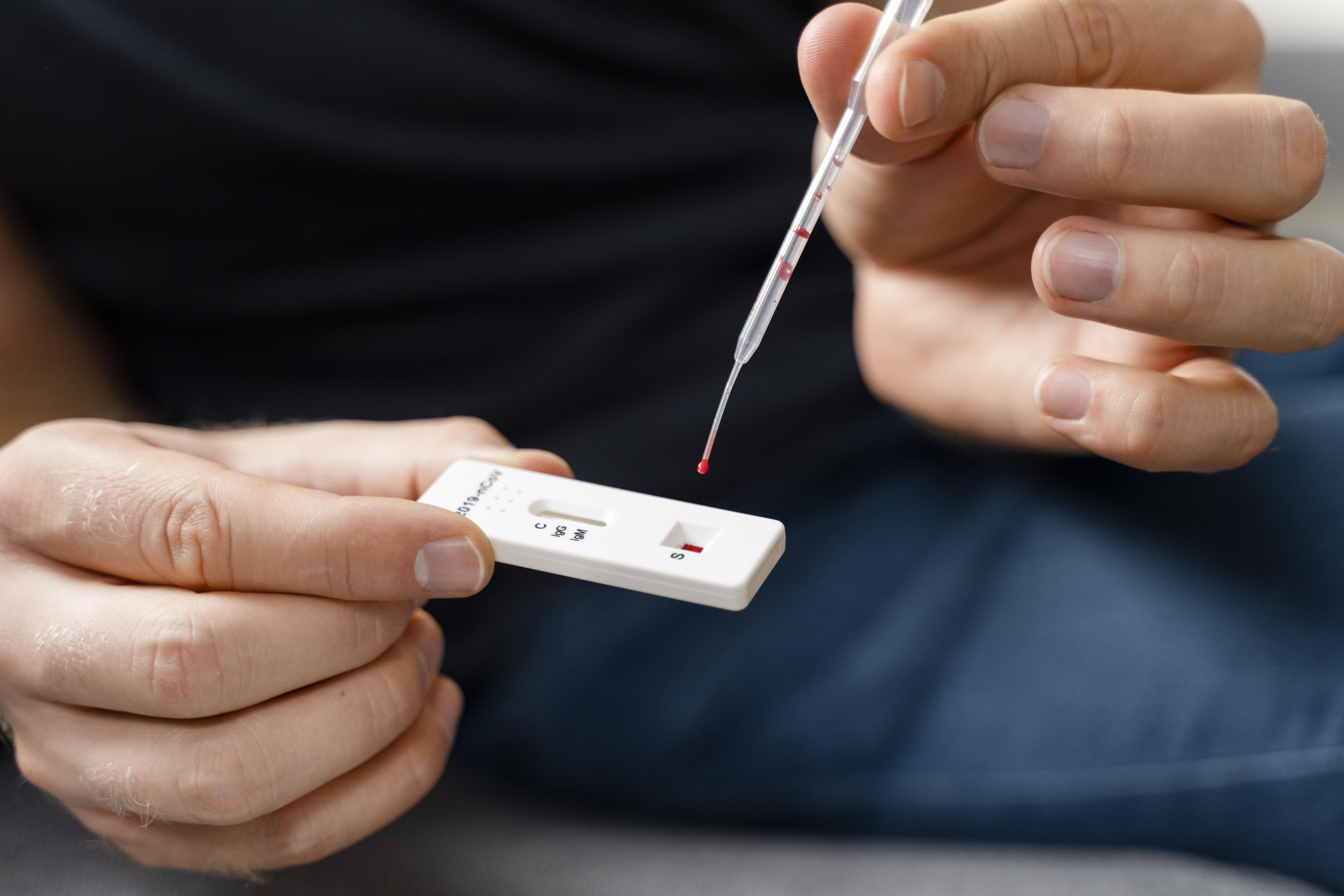
The Estradiol (E2) blood test measures the amount of this hormone in your blood, which can help detect hormonal imbalances, fertility problems, and other health concerns. Testing e

Estradiol (E2) is one of the most important forms of estrogen, a hormone that regulates many functions in the body, particularly the reproductive system. In women, estradiol is responsible for menstrual cycle regulation, ovulation, and maintaining reproductive health. In men, estradiol exists in smaller amounts and helps regulate bone health, sexual function, and testosterone balance.
Monitoring estradiol levels is vital for maintaining overall health in both women and men. In women, low or high estradiol levels may indicate hormonal disorders such as:
Polycystic Ovary Syndrome (PCOS)
Ovarian dysfunction or failure
Menopause or perimenopause changes
Irregular menstrual cycles
Infertility issues
In men, abnormal estradiol levels can affect:
Testosterone balance
Bone density and strength
Libido and sexual function
Regular estradiol monitoring ensures early detection and treatment of hormone-related issues, which improves reproductive health and prevents long-term complications.
Testing estradiol levels offers multiple benefits for overall health:
Fertility Assessment: Helps in evaluating fertility issues and determining causes of irregular periods in women.
Menopause Monitoring: Tracks hormonal changes during perimenopause and menopause, helping in treatment planning.
Bone Health Evaluation: Estradiol plays a crucial role in maintaining bone density, reducing osteoporosis risk.
Hormone Therapy Guidance: Provides valuable information to adjust fertility or hormone replacement therapies.
General Health Insight: Detects potential endocrine disorders in both men and women.
With Diagnopein Nashik, you get accurate results using advanced lab equipment and professional guidance to understand your hormonal health better.
The Estradiol (E2) test is a simple blood test. Here’s the step-by-step procedure:
Sample Collection: A small blood sample is drawn from your arm by a trained professional at the Diagnopein Nashik center.
Timing: It is usually recommended to take the sample in the morning when hormone levels are most stable.
Preparation: No special preparation is typically required, but your doctor may advise avoiding certain medications or fasting depending on your health condition.
Laboratory Analysis: The blood is analyzed using advanced lab equipment for precise estradiol levels.
Results: Normal estradiol levels vary depending on age, gender, and menstrual cycle stage.
Reference Ranges:
Women (premenopausal): 15–350 pg/mL
Women (postmenopausal): <10 pg/mL
Men: 10–40 pg/mL
If results are outside these ranges, your doctor may recommend further evaluation to diagnose potential hormonal or reproductive health issues.
You may need an estradiol test if you experience:
Irregular or absent menstrual cycles
Infertility or difficulty conceiving
Symptoms of menopause such as hot flashes or mood swings
Osteoporosis or bone-related issues
Signs of hormone imbalance in men, such as low libido or erectile dysfunction
Early testing helps in timely diagnosis and effective treatment planning.
Advanced Testing Equipment: Ensures accurate and reliable E2 hormone levels.
Expert Staff: Trained professionals guide you through the procedure and interpret results.
Convenient Locations: Easily accessible Diagnopein centers across Nashik.
Affordable Prices: Transparent and cost-effective testing options.
Quick Reporting: Receive results promptly for timely medical decisions.
Booking an Estradiol (E2) test at Diagnopein Nashik is simple and convenient. You can schedule online or visit the center for immediate assistance.
1. ESTRADIOL( E2), SERUM

Yes, while the test is commonly used in women to assess reproductive health, it is also applicable in men to evaluate hormonal imbalances or conditions affecting testosterone levels.
The estradiol E2 test is generally safe, with minimal risks associated with blood draw, such as bruising or infection at the site.
Yes, hormonal medications, including contraceptives and hormone replacement therapy, can influence estradiol levels.
No special preparation is usually required, but follow any specific instructions from your healthcare provider regarding timing and medications.