Desmoglein-1 (Dsg1) is found in the outer layers of the skin, while Desmoglein-3 (Dsg3) is located in deeper layers and mucous membranes. Identifying antibodies agains


The Desmoglein-1 and Desmoglein-3 Antibody Test is a specialized diagnostic blood test offered at Diagnopein Diagnostic Center, Nashik, designed to detect autoimmune skin disorders such as pemphigus vulgaris and pemphigus foliaceus. These are rare but serious conditions caused by the immune system mistakenly producing antibodies that target desmoglein proteins, which are critical for skin cell adhesion.
The Desmoglein-1 and 3 Antibody Test is crucial in diagnosing autoimmune skin conditions that cause painful blisters and erosions on the skin or mucous membranes. When the body produces antibodies against desmoglein proteins, the bond between skin cells breaks down, resulting in fluid-filled blisters that may rupture easily.
By identifying whether the antibodies are directed toward Dsg1, Dsg3, or both, healthcare providers can differentiate between distinct clinical forms:
Pemphigus Vulgaris: Often associated with Desmoglein-3 or both Dsg1 and Dsg3 antibodies.
Pemphigus Foliaceus: Usually linked to Desmoglein-1 antibodies only.
Understanding this antibody profile helps dermatologists tailor immunosuppressive or biological therapy based on disease type and activity level. Since these antibodies often correlate with disease severity, the test also serves as a valuable biomarker to track treatment response and remission phases.
Benefits for clinicians and patients:
Confirms pemphigus diagnosis accurately.
Differentiates between pemphigus types.
Monitors response to therapy.
Supports early disease detection before extensive blistering occurs.
Minimizes risk of misdiagnosis with similar skin autoimmune conditions.
Diagnopein Nashik provides comprehensive testing with expert-reviewed reports, ensuring every result helps guide better patient care.
At Diagnopein Diagnostic Center Nashik, the Desmoglein-1 and 3 Antibody Test is performed using the latest enzyme-linked immunosorbent assay (ELISA), a method known for detecting even low concentrations of antibodies with excellent reproducibility.
Testing process:
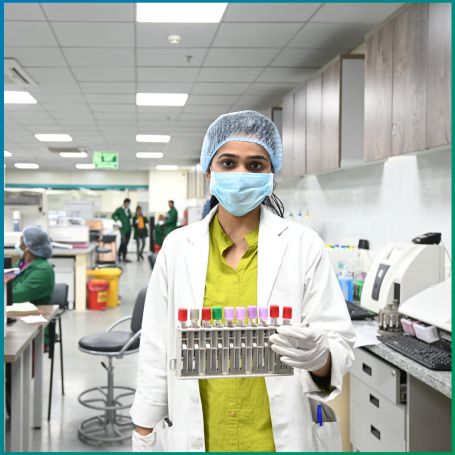
Sample Collection: A small blood sample is drawn from a vein in the arm by trained phlebotomists following proper sterilization protocols.
Laboratory Analysis: The serum is separated and processed on advanced ELISA analyzers to detect IgG antibodies directed against Dsg1 and Dsg3 proteins.
Quality Assurance: Each test undergoes strict internal quality control before result validation.
Reporting and Consultation: Test results are shared digitally through the Diagnopein online portal for quick and secure access.
Preparation: No fasting or special preparation is required prior to the test.
Turnaround Time: Results are available within 2–4 working days.
Sample Type: Serum (blood).
At Diagnopein Nashik, precision and patient convenience are top priorities. The center adheres to standard laboratory practices and provides reliable autoantibody detection for dermatological and immunological disorders.
Performing the Desmoglein-1 and Desmoglein-3 Antibody Test at Diagnopein Diagnostic Center Nashik offers multiple benefits that support both clinicians and patients:
Accurate autoantibody profiling: Identifies antibodies specific to each pemphigus subtype.
Early disease detection: Detects pemphigus at initial stages for timely treatment.
Effective treatment monitoring: Evaluates antibody titer reduction to measure therapy effectiveness.
Differential diagnosis: Differentiates pemphigus from non-autoimmune blistering disorders such as bullous pemphigoid or epidermolysis bullosa.
Minimal sample requirement: Only a small blood sample is needed.
Fast and dependable results: Advanced instruments ensure accuracy and rapid turnaround times.
For dermatologists and immunologists in and around Nashik, this test is an essential diagnostic tool. For patients, it provides reassurance through early confirmation and monitoring of their autoimmune skin health.
The Desmoglein antibody panel measures:
Desmoglein-1 (Dsg1) IgG Antibodies
Desmoglein-3 (Dsg3) IgG Antibodies
Results are expressed in U/mL units, interpreted as:
Negative: No significant antibody levels detected (indicating no active autoimmune process).
Positive: Elevated levels indicating autoimmune activity and confirming pemphigus diagnosis.
A healthcare specialist should always evaluate results alongside the patient’s medical history and clinical findings before confirming a diagnosis or treatment plan.
Diagnopein Diagnostic Center, Nashik, is recognized for its advanced laboratory infrastructure, experienced pathologists, and patient-oriented service. The center provides a broad range of autoimmune and dermatological tests including ANA Profile, Autoimmune Blistering Disease Panel, and Pemphigoid Antibody Testing.
choosing Diagnopein:
Modern equipment and ELISA technology for high precision.
Qualified medical experts interpreting every report.
Comfortable sample collection experience.
Quick online reporting system.
Affordable pricing and personalized support.
Patients across Nashik trust Diagnopein for accurate, efficient, and ethical laboratory testing that meets international diagnostic standards.

The test is performed to help diagnose pemphigus disorders. A positive result can indicate an autoimmune response leading to blister formation in the skin and mucous membranes.
The risks are minimal but may include minor discomfort, bruising, or bleeding at the site where the blood was drawn. There is also a slight risk of infection.
Generally, no special preparation is needed for the blood test. However, inform your healthcare provider about any medications or supplements you are currently taking.
Yes, in addition to the desmoglein antibody test, a skin biopsy and direct immunofluorescence testing can be performed to confirm the diagnosis.