The test is commonly recommended in cases of unexplained anemia, blood transfusion reactions, or for newborns with suspected hemolytic disease. By identifying immu

The Direct Coombs Test, also known as the Direct Antiglobulin Test (DAT), is a crucial laboratory test used to detect antibodies or complement proteins attached to red blood cells. This test helps identify conditions where the immune system mistakenly attacks the patient’s red blood cells, leading to anemia or other complications. At Diagnopein Diagnostic Centre, Nashik, we provide accurate, fast, and reliable Direct Coombs testing using advanced equipment and experienced laboratory professionals.
The Direct Coombs Test is critical for diagnosing several health conditions, including:
Autoimmune Hemolytic Anemia (AIHA): The immune system produces antibodies that destroy red blood cells. Direct Coombs Test confirms the presence of these antibodies.
Hemolytic Disease of the Newborn: Detects antibodies from maternal blood that may attack a newborn’s red blood cells.
Blood Transfusion Reactions: Ensures transfused blood is compatible and prevents severe immune reactions.
Drug-Induced Hemolysis: Some medications may trigger immune-mediated red blood cell destruction, which can be detected with this test.
By performing the Direct Coombs Test, doctors can diagnose underlying causes of anemia, prevent complications, and monitor the progress of treatment. At Diagnopein Nashik, patients receive quick results, allowing timely clinical decisions.
Performing a Direct Coombs Test provides numerous benefits:
Early Detection: Identifies immune-related red blood cell destruction before severe symptoms appear.
Accurate Diagnosis: Confirms autoimmune hemolytic anemia or transfusion incompatibility.
Treatment Monitoring: Tracks effectiveness of therapy for hemolytic anemia and other immune disorders.
Safe Transfusions: Ensures compatibility between donor and recipient blood, reducing risks.
Newborn Safety: Detects potential hemolytic disease in infants early, helping prevent complications.
At Diagnopein Nashik, we focus on patient comfort and safety during testing while maintaining high-quality lab standards.
The Direct Coombs Test is a simple and minimally invasive blood test. Here’s what to expect:
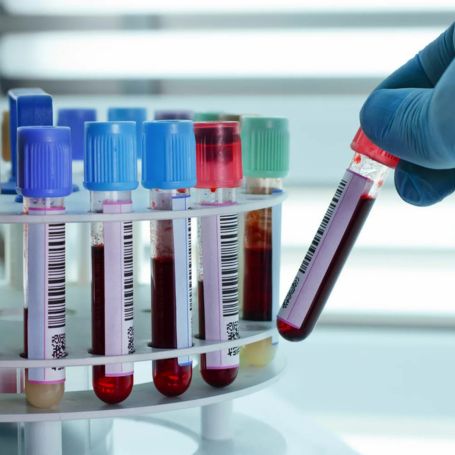
Sample Collection: A small blood sample is drawn, usually from the arm. No fasting or special preparation is required.
Laboratory Processing: The sample is tested for antibodies or complement proteins attached to red blood cells. This helps detect immune reactions causing red blood cell destruction.
Result Interpretation:
Positive Result: Indicates antibodies or complement proteins are attached to red blood cells.
Negative Result: No antibodies are detected on the red blood cells.
The test is quick, safe, and accurate, with results typically available within a few hours to one day, depending on lab workflow.
The Direct Coombs Test examines the following key parameters:
IgG Antibodies: Detects immunoglobulin G antibodies attached to red blood cells.
Complement Proteins (C3): Identifies complement proteins that may trigger red blood cell destruction.
Red Blood Cell Compatibility: Monitors transfusion safety and prevents adverse reactions.
Autoimmune Hemolytic Anemia Monitoring: Assesses ongoing destruction of red blood cells due to immune disorders.
This test is recommended for:
Individuals with unexplained anemia.
Newborns at risk of hemolytic disease.
Patients experiencing blood transfusion reactions.
Individuals taking medications known to trigger hemolysis.
People with symptoms such as fatigue, jaundice, or pale skin due to red blood cell destruction.
At Diagnopein Nashik, our lab team providesguidance and counselingfor patients before and after the test to ensure proper understanding of results.
At Diagnopein Nashik, we combine advanced laboratory technology, experienced technicians, and a patient-friendly environment to provide top-quality Direct Coombs Test services.
Reasons to choose Diagnopein Nashik:
Accurate Testing: High-precision diagnostic equipment ensures reliable results.
Affordable Pricing: Competitive pricing for Direct Coombs Test in Nashik without compromising quality.
Fast Reporting: Quick turnaround time for faster diagnosis and treatment.
Expert Care: Professional lab staff and pathologists guide patients through every step.
Multiple Diagnostic Services: Along with Direct Coombs Test, access comprehensive blood tests and hematology services.
1. Coombs Test (Direct)

The Direct Coombs Blood Test is a low-risk procedure. The primary risk is related to the blood draw, which can cause minor bruising, dizziness, or discomfort at the site of the needle insertion. Serious complications are rare.
Yes, certain medications, such as antibiotics, may cause a positive Direct Coombs Test result. Inform your healthcare provider about any medications you are taking, as this information can be crucial for interpreting the test results.
No special preparation is required for the Direct Coombs Test. However, you should inform your healthcare provider if you are taking any medications or have had a recent blood transfusion, as these factors might influence the test results.
The Indirect Coombs Test is more commonly used during pregnancy to check for Rh incompatibility. However, the Direct Coombs Test might be used in newborns to detect hemolytic disease caused by maternal antibodies attacking the baby's red blood cells.