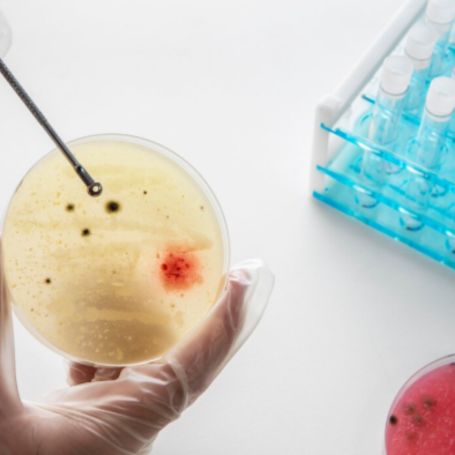
At Diagnopein Nashik, our labs use advanced testing methods to identify microscopic organisms and check their response to various antibiotics. The Culture Sensiti

Report Availability
24 hours
₹ 1000 /-
Free Home Blood Collection
The Culture Sensitivity-1 (Urine/Pus/Fluid/Sputum) test is a vital microbiological examination conducted to identify bacteria or fungi responsible for infections. This test helps doctors determine which antibiotics or antifungal medicines are most effective against specific pathogens. The Culture Sensitivity test in Nashik offered by Diagnopein Diagnostic Center helps in the accurate diagnosis and targeted treatment of infections affecting the urinary tract, skin, respiratory tract, wounds, or internal body fluids.
The Culture Sensitivity-1 (Urine/Pus/Fluid/Sputum) test plays a crucial role in the accurate identification of bacterial and fungal infections. In many cases, when patients face repeated infections or do not respond to standard antibiotics, a Culture and Sensitivity Test becomes essential. It helps identify the cause of infection and differentiates between bacterial strains and their sensitivity levels to medications.
Modern medical treatment relies heavily on correct antibiotic use. Overuse or misuse of antibiotics can lead to drug resistance, which makes infections harder to treat. That’s why Diagnopein Nashik’s Culture Sensitivity Test is vital for tailored treatment. It ensures the right medication is prescribed, minimizes unnecessary antibiotic consumption, and prevents further complications.
Main benefits of Culture Sensitivity-1 testing include:
Detecting the exact bacteria or fungus causing the infection.
Determining the most effective antibiotics for treatment.
Preventing antibiotic resistance through correct drug usage.
Monitoring treatment success and adjusting therapies as needed.
Reducing the recurrence of infections and treatment failure.
For doctors in Nashik, the Culture Sensitivity Test at Diagnopein Diagnostic Center provides scientifically accurate and quick results, enabling them to deliver efficient and cost-effective treatment. Patients who experience frequent urinary tract infections, respiratory infections, or surgical wound infections benefit greatly from this test.
At Diagnopein Diagnostic Center Nashik, the Culture Sensitivity Test is performed under controlled laboratory conditions by skilled microbiologists. The procedure depends on the sample type, which could be urine, pus, body fluid, or sputum.
Sample Collection – The sample is collected using sterile techniques to avoid contamination.
Urine Culture Test: Midstream urine sample collected in a sterile container.
Pus Culture Test: Collected using a sterile swab or syringe from wounds or boils.
Fluid Culture Test: Fluid aspirated from infected body cavities under medical supervision.
Sputum Culture Test: Sample collected by deep coughing in a sterile container.
Culture Process – The collected specimen is placed on culture media and incubated for 24–48 hours to allow microbes to grow.
Identification and Sensitivity Testing – The grown microorganisms are analyzed under a microscope to identify species. Antibiotic discs are then used to test sensitivity or resistance.
Reporting – The final report identifies the bacteria or fungus and lists the antibiotics showing effective results. The results are labeled as Sensitive (S), Intermediate (I), or Resistant (R).
This detailed process allows the physician to prescribe precisely the right antibiotic, improving patient recovery and avoiding unnecessary treatments.
The Culture Sensitivity-1 (Urine/Pus/Fluid/Sputum) test parameters include various microbial and antibiotic response metrics, such as:
Type of bacteria or fungus isolated
Growth characteristics and colony identification
Antibiotic sensitivity pattern (Sensitive, Resistant, Intermediate)
Interpretation for clinical treatment decisions
The Culture Sensitivity Report helps doctors interpret which antibiotics can successfully treat the infection. For example, if the bacteria are “sensitive” to a particular drug, that antibiotic is likely to be most effective. If the bacteria are “resistant,” the doctor will avoid prescribing it.
At Diagnopein Nashik, our experts ensure every step of the Microbiology Culture Sensitivity Test is handled with care and precision, providing accurate diagnostic data to support effective healthcare decisions.
Modern microbiology lab with advanced technology.
Accurate and timely test results.
Certified pathologists and microbiologists on staff.
Affordable pricing for all diagnostic tests.
Convenient home sample collection service.
Easy online and in-person report access.
Prompt and accurate diagnosis through Diagnopein’s Culture Sensitivity-1 (Urine/Pus/Fluid/Sputum) Test Nashik helps doctors treat infections efficiently and helps patients achieve faster recovery with the right antibiotics.
1. Culture Method
2. Sample
3. Colony Count
4. Organism(s) Isolated
5. Culture Report: Culture yields growth of
6. Culture isolated after 7 days :
7. Culture isolated after 14 days:
8. Culture isolated after 21 days:
9. Ampicillin
10. Amikacin
11. Amoxicillin clavulanate
12. AMOXYCLAV
13. cefoperazon+sulbactam
14. Cefuroxime
15. Cefepime
16. Cefixime
17. Cefotaxime
18. Ciprofloxacin
19. Colistin
20. Ertapenem
21. Fosfomycin
22. Gentamicin
23. Imipenem
24. Levofloxacin
25. Meropenem
26. Norfloxacin
27. Nitrofurantoin
28. Piperacillin-tazobactam
29. Tigecycline
30. Trimethoprim-Sulfamethoxazole (Cotrimoxazole)
31. High Level gentamycin (GEN)
32. Linezolid
33. Penicillin
34. Teicoplanin
35. Tetracycline
36. Vancomycin
37. Remarks
38. Clindamycin
39. Erythromycin
40. Ceftazidime

Common samples for culture and sensitivity testing include urine, pus (from wounds or abscesses), body fluids (like synovial or cerebrospinal fluid), and sputum (from respiratory tract infections).
It is important because it provides accurate identification of the pathogens causing infections, allows for targeted treatment with effective antibiotics, and helps monitor antibiotic resistance patterns, ultimately improving patient outcomes.
Yes, for urine tests, it’s often advised to avoid certain foods and drinks (like caffeine and alcohol) that may affect results. For sputum tests, patients may be asked to avoid eating or drinking for a short period before collection.