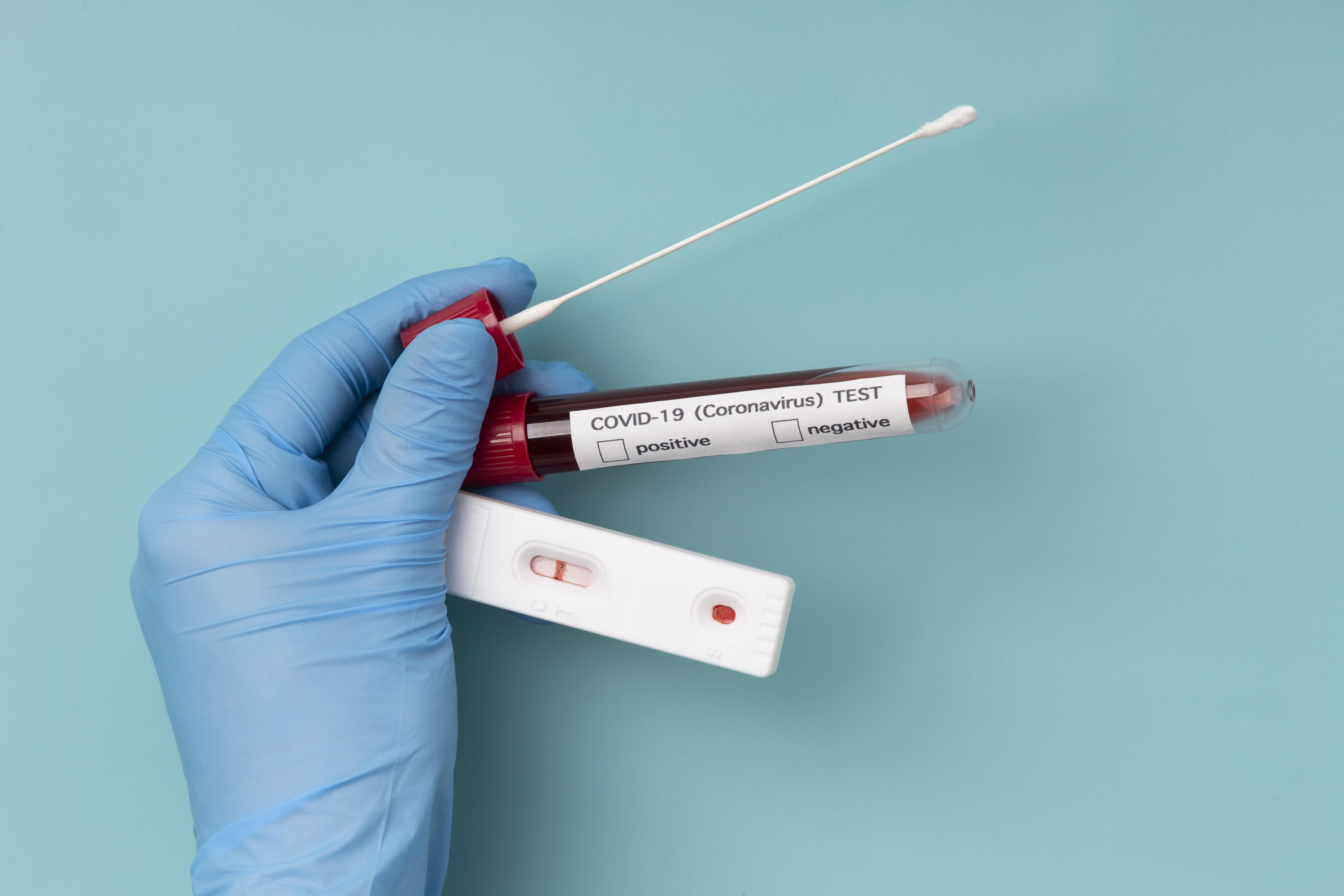
At Diagnopein Diagnostic Center Nashik, the CD4 and CD8 test is performed using advanced flow cytometry technology, ensuring accurate and reliable results. This te


The CD4 and CD8 (Count and Ratio) Test is one of the most important immune monitoring tests performed in modern diagnostics. CD4 cells (Helper T-cells) and CD8 cells (Cytotoxic T-cells) are vital white blood cells responsible for defending the body against infections. The CD4/CD8 ratio reflects the balance between these immune cells. A normal ratio typically falls between 1.0 and 3.0, indicating a healthy immune function.
The importance of the CD4 and CD8 count test lies in its ability to assess the true status of the immune system. A low CD4 count indicates weak immunity and increases susceptibility to infections. A high CD8 count may suggest active infection, inflammation, or immune stress. The CD4/CD8 ratio test gives deeper insight into immune balance and overall functioning.
For individuals living with HIV, this test is a primary tool for monitoring disease stage and evaluating the effectiveness of antiretroviral therapy. A lower ratio may indicate immune weakening, while an improving ratio shows positive treatment response. At Diagnopein Nashik, patients undergoing HIV care are regularly advised to take the CD4 and CD8 test to track their immune recovery.
Even outside HIV management,CD4 CD8 ratiotest is beneficial for detecting autoimmune activity, chronic inflammation, viral infections, and immune suppression caused by medications. Doctors rely on these values for early diagnosis, timely intervention, and long-term treatment planning.
The CD4 and CD8 test offers several clinical and health benefits, including:
Accurate immune system monitoring
Supports disease diagnosis and progression tracking
Helps doctor assess treatment response
Detects immune suppression at an early stage
Identifies risk of infections due to low immunity
Useful for HIV monitoring and therapy management
Essential for autoimmune disease assessment
Supports cancer therapy and immunotherapy follow-up
Quick, reliable, and non-invasive test
At Diagnopein Diagnostic Center Nashik, the test is performed with high precision, ensuring fast reporting for doctors and patients who require continuous monitoring.
The CD4 and CD8 count and ratio test is done through a simple and painless procedure:
Blood Sample Collection: A small blood sample is collected from a vein in the arm.
Flow Cytometry Analysis: The sample is processed through latest-generation flow cytometry machines to calculate CD4 count, CD8 count, and CD4/CD8 ratio.
Report Generation: A detailed report is prepared with values, ranges, and interpretation.
Doctor Consultation: Based on medical history, symptoms, and treatment, the doctor interprets the results.
There is no fasting required for this test, and it can be done at any time of the day. However, morning collection is preferred for more consistent results.
The CD4 and CD8 test typically includes:
Absolute CD4 Count
Absolute CD8 Count
CD4/CD8 Ratio
Percentage of CD4 Cells
Percentage of CD8 Cells
T-Cell Distribution
These parameters offer a complete understanding of immune system performance.
Advanced flow cytometry technology
Highly trained lab technicians
Fast and accurate immune profile reporting
Affordable CD4 and CD8 test price in Nashik
Trusted by doctors and healthcare professionals
Easy online booking and home sample collection
High-quality reporting for HIV, autoimmune, and immune disorders
Choosing Diagnopein Diagnostic Center Nashik ensures reliable results, professional service, and complete diagnostic support for patients requiring immune health evaluation.

Low CD4 counts may indicate a weakened immune system, while a low CD4/CD8 ratio could suggest immune dysfunction.
A blood sample is collected, typically through venipuncture, and sent to the laboratory for analysis.
Generally, no specific preparation is required. However, it’s advisable to consult with your healthcare provider for any individual recommendations.
Results are usually available within 1-3 days, depending on the laboratory.