Aluminium is a lightweight, strong, and corrosion-resistant metal widely used in construction, automotive, and electrical industries. In Nanded, demand for aluminium metal&nbs


Aluminium is one of the most widely used metals across industries due to its unique combination of strength, lightness, and corrosion resistance. In Nanded, industries such as construction, automotive, electrical, and packaging heavily rely on aluminum metal for manufacturing high-performance components. From window frames to aircraft parts, aluminium’s adaptability makes it indispensable in today’s world.
What sets aluminium alloy apart is its durability and ability to withstand harsh environmental conditions. As technology advances, the demand for strong yet lightweight materials continues to grow, establishing aluminium products as the preferred choice in modern engineering.
Accurate testing of aluminium metal and aluminium alloy ensures product safety, quality, and compliance with industrial standards. Impurities or incorrect alloy compositions can weaken structural integrity, affecting both performance and safety. Therefore, regular aluminium testing in Nanded is crucial for manufacturers, especially those dealing with aluminium checker sheets, extrusion products, or custom parts.
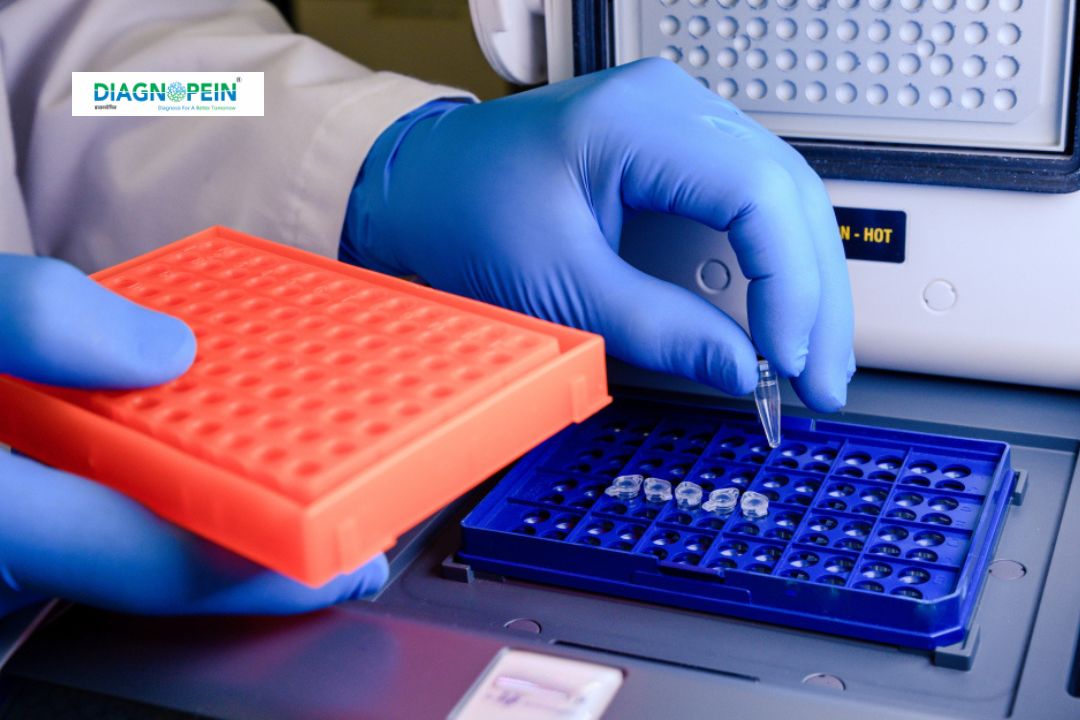
At Diagnopein, we specialize in precise aluminium analysis using advanced diagnostic equipment. Our expertise helps clients identify alloy composition, tensile strength, and corrosion resistance — guaranteeing quality assurance for every aluminium product tested.
Lightweight yet strong: Ideal for industries that require strength without added weight, such as aerospace and transportation.
Corrosion resistant: Offers excellent protection against rust and oxidation, making it suitable for outdoor applications.
Recyclable and eco-friendly: Aluminum metal can be recycled multiple times without losing its properties, promoting sustainable manufacturing.
Cost-effective: Compared to other materials, aluminium alloy price remains economical for its performance and longevity.
Aesthetic versatility: Used in aluminium checker designs, decorative panels, and custom aluminium products.
At Diagnopein Nanded, we perform detailed aluminium testing through a scientifically validated process that includes the following parameters:
Chemical Composition Analysis: Identifies the percentage of key elements like silicon, magnesium, copper, manganese, and zinc.
Spectrochemical Testing: Rapid analysis of aluminium alloy elements using high-precision instruments.
Hardness and Tensile Strength Test: Determines the load-bearing capacity and flexibility of the aluminum metal.
Corrosion and Conductivity Tests: Checks resistance to rust and measures electrical conductivity for industrial-grade applications.
Surface Finish and Microstructure Evaluation: Analyzes the quality of aluminium products, sheets, and aluminium checker materials.
Diagnopein Nanded stands out for its precision, reliability, and customer-focused testing services. Our highly skilled technicians follow global standards to ensure every piece of aluminium metal or aluminium alloy meets the required specifications.
Reasons to choose Diagnopein:
Equipped with advanced analytical instruments for today aluminium testing requirements.
Trusted by manufacturers for quick and accurate results.
Affordable pricing for all types of aluminium testing.
Expert consultation for improving aluminium alloy composition.

Results are typically available within a few days, depending on lab processing times.
Fasting may be required; your healthcare provider will advise based on your individual case.
A blood sample is collected and analyzed for aluminium concentration in a certified laboratory.
Elevated aluminium levels can impact the nervous system, bones, and kidneys, potentially leading to toxicity.