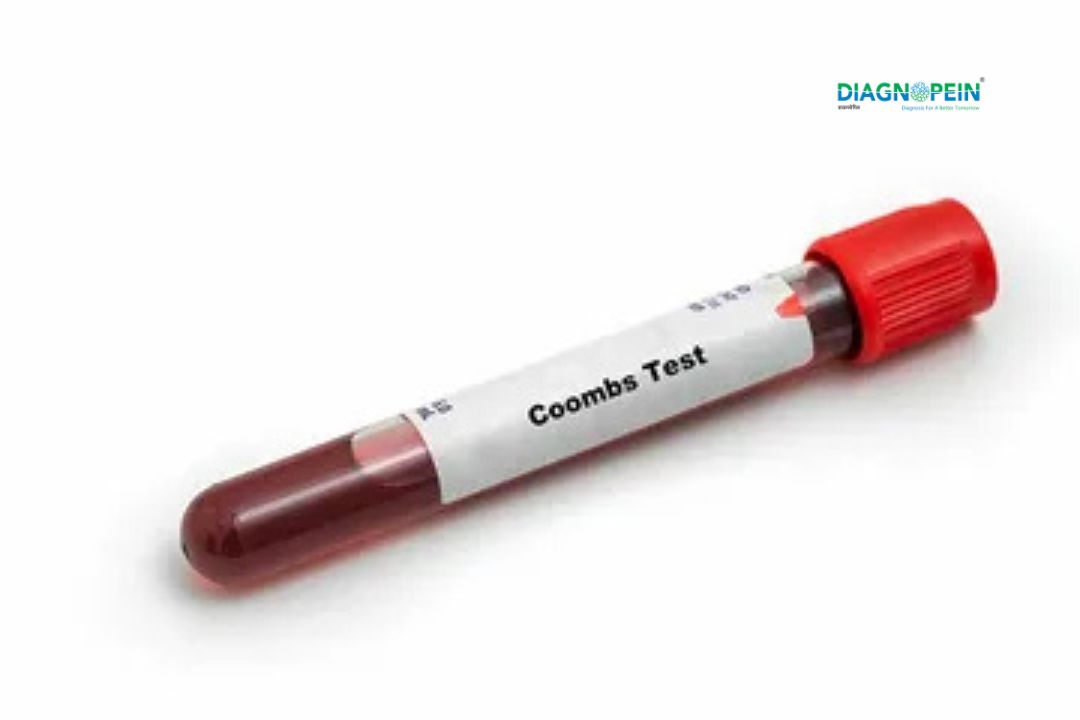
Diagnopein offers reliable Indirect Coombs Test in Karad to detect red blood cell antibodies, ensuring safe blood transfusions and healthy pregnancies through advanced laboratory testing.


The Indirect Coombs Test, also known as the Indirect Antiglobulin Test (IAT), is an advanced laboratory test that helps detect antibodies circulating in the bloodstream that can target red blood cells. This test plays a vital role in blood transfusion compatibility testing and prenatal screening.
At Diagnopein Karad, the Indirect Coombs Test is performed using precision-based immunohematology technology to ensure accurate results. It helps identify potential risks related to hemolytic transfusion reactions and hemolytic disease of the newborn (HDN). Early detection of these antibodies can prevent serious complications during transfusion or pregnancy.
The Indirect Coombs Test is important for understanding the immune response related to blood compatibility. It is commonly recommended in two major scenarios: before a blood transfusion and during pregnancy.
Before Blood Transfusion: The test ensures that the donor blood is compatible with the recipient, reducing the risk of transfusion reactions.
During Pregnancy: It helps identify whether Rh-negative mothers have developed antibodies against the Rh-positive blood of their unborn baby, helping prevent hemolytic disease of the newborn.
In Medical Diagnosis: Detects autoimmune hemolytic anemia or immune-mediated blood disorders.
In Karad, Diagnopein provides this test under expert supervision using scientific accuracy and high-quality reagents. Early antibody detection supports safer clinical decisions and better patient outcomes.
The benefits of the Indirect Coombs Test go beyond simple antibody detection. It aids hospitals, doctors, and patients by enabling:
Safe Blood Transfusions: Ensures compatibility, preventing transfusion-related complications.
Healthy Pregnancy Monitoring: Detects maternal antibodies that can cause fetal anemia, allowing early medical intervention.
Accurate Clinical Decisions: Provides clear results to guide treatment for autoimmune or hemolytic conditions.
Efficient Blood Screening: Helps blood banks maintain safe blood supplies by identifying donor-recipient compatibility.
With Diagnopein’s advanced diagnostic setup in Karad, patients benefit from timely, reliable, and affordable antibody screening services.
The Indirect Coombs Test is performed in a step-by-step immunohematology process to identify antibodies in the serum:
A blood sample is collected and the serum is separated.
The patient’s serum is mixed with reagent red blood cells possessing known antigens.
The mixture is then incubated to allow antibodies, if present, to attach to the red cells.
An anti-human globulin reagent (Coombs reagent) is added.
If agglutination (clumping) occurs, it indicates the presence of antibodies against red blood cells.
Parameters Assessed:
Presence or absence of blood-group antibodies.
Type of antibodies (IgG, etc.).
Strength of the reaction (antibody titer).
Compatibility level for transfusion or pregnancy.
Diagnopein’s lab in Karad follows strict quality control and modern testing protocols to deliver dependable and quick results.
Diagnopein Karad stands out as a trusted pathology partner for specialized tests like the Indirect Coombs Test due to:
Advanced diagnostic equipment and reagents.
Skilled laboratory professionals and quality assurance procedures.
Timely reporting for clinical decision-making.
Affordable testing options for individuals, hospitals, and maternity care units.
Convenient sample collection and patient-friendly experience in Karad.
Choose Diagnopein Karad for precise testing, accurate results, and superior healthcare support rooted in scientific excellence.
1. Indirect coombs Test
2. Remark

This test detects unbound antibodies in the blood serum that can target RBCs, often used to determine blood compatibility for transfusions and assess Rh compatibility in pregnancy.
A positive result indicates the presence of RBC antibodies, which may require further testing or monitoring, especially in pregnancy or before a transfusion.
A negative result means no antibodies are detected against RBCs in the serum, indicating compatibility for transfusion or a lower risk of Rh incompatibility in pregnancy.
Diagnopein typically provides results within a few hours to a day, depending on the lab schedule and test load.
The test is recommended for Rh-negative mothers during pregnancy to monitor potential antibodies that may affect the fetus.
The indirect test examines unbound antibodies in serum, while the direct test detects antibodies bound to RBCs directly within the bloodstream.