Diagnopein in Karad offers reliable Gram Stain - Synovial Fluid testing to detect bacterial infections in joints. Our advanced lab ensures timely, accurate, and affordable test results for effectiv


The Gram Stain - Synovial Fluid test is a crucial microbiological examination used to identify bacterial infections in joint spaces. This test analyzes the synovial fluid— a clear, viscous liquid that lubricates and nourishes your joints. When joints become inflamed or infected, the composition of this fluid changes, indicating a possible bacterial or inflammatory condition.
At Diagnopein Karad, the Gram Stain test for synovial fluid is performed with strict precision using modern microscopy techniques, ensuring accurate identification of microorganisms like Gram-positive and Gram-negative bacteria.
The Gram Stain - Synovial Fluid test is important because it helps in early detection and classification of septic arthritis or joint infections. A timely diagnosis ensures prompt treatment, preventing joint damage or chronic pain.
For doctors, this test is a quick and reliable way to determine if an infection is bacterial and whether it’s caused by Gram-positive (e.g., Staphylococcus) or Gram-negative bacteria (e.g., E. coli). This differentiation is vital for selecting the right antibiotic therapy.
In Karad, where joint infections often result from injury, surgery, or underlying conditions, Diagnopein’s laboratory provides high-quality Gram Stain - Synovial Fluid tests for precise clinical insights.
The Gram Stain - Synovial Fluid test offers several benefits for both patients and clinicians:
Provides early detection of bacterial infections in joints.
Helps prevent irreversible cartilage or bone damage.
Allows doctors to decide appropriate antibiotics quickly.
Supports differentiation between bacterial and non-bacterial inflammation.
Offers results within hours with simple, effective staining methods.
By choosing Diagnopein in Karad, patients gain access to trusted diagnostic experts and high-quality microscopy that ensure reliable testing outcomes. The test plays a vital role in supporting accurate treatment and faster recovery.
The process of testing begins with careful collection of synovial fluid through arthrocentesis (joint aspiration), usually performed by a healthcare professional. A small amount of fluid is drawn from the affected joint under sterile conditions. This sample is then taken to Diagnopein’s lab for analysis.
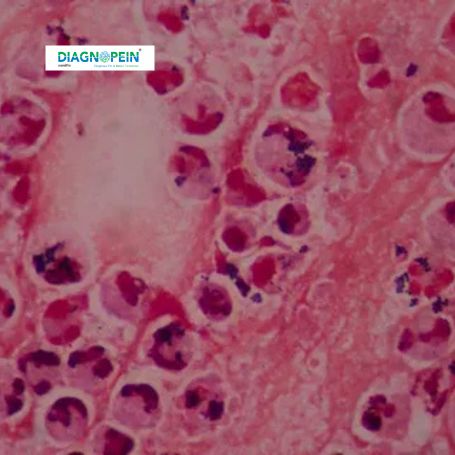
In the laboratory, the sample is placed on a glass slide and treated with special dyes like crystal violet and safranin. These stains highlight bacterial cell wall structures, allowing microorganisms to be classified as Gram-positive or Gram-negative. Microscopic examination helps identify the type of bacteria present, guiding treatment decisions.
Parameters often assessed in this test include:
Color and clarity of the synovial fluid
Presence of bacteria or pus cells
Gram reaction (positive or negative)
Cell count and morphology
At Diagnopein Karad, each Gram Stain - Synovial Fluid test is performed by experienced lab professionals adhering to quality control standards to deliver dependable results.
Diagnopein stands out for its accuracy, affordability, and patient-focused care. Our lab in Karad is equipped with modern staining tools and experienced technicians who ensure quick turnaround times and precise test interpretations. Whether for infection detection or joint health assessment, our Gram Stain - Synovial Fluid service supports doctors and patients with confidence and clarity.

Results are typically available within a few hours after the sample reaches the lab.
The test itself is safe. However, synovial fluid collection (arthrocentesis) may cause mild pain or bruising at the puncture site, and in rare cases, joint infection or bleeding.
A positive result indicates the presence of bacteria in the joint fluid, suggesting a joint infection (septic arthritis). Further testing, like a culture, is needed to identify the specific bacteria.
A negative result means that no bacteria were detected in the fluid sample. However, it does not entirely rule out infection, as some bacteria may be present in very low quantities or may not stain well.