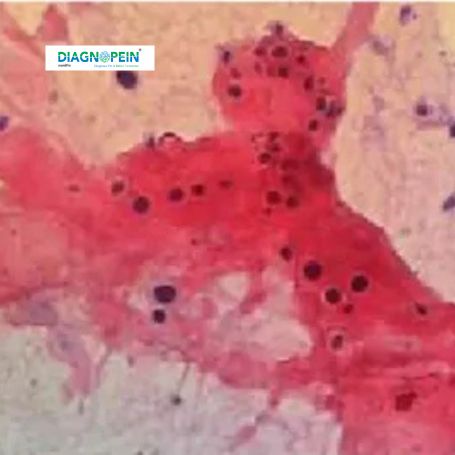
Diagnopein in Karad offers reliable Gram Stain Fluid testing for identifying bacterial infections. Know the importance, procedure, and benefits of this essential diagnostic test.


Gram Stain Fluid is a key microbiological test used to detect and classify bacteria present in body fluids like sputum, cerebrospinal fluid, pus, or pleural aspirates. It helps determine whether the bacteria are Gram-positive or Gram-negative based on their staining reaction. This basic yet powerful technique guides doctors in selecting the right antibiotic treatment and initiating timely medical intervention.
At Diagnopein Karad, the Gram Stain Fluid test is performed under strict quality standards to ensure accurate differentiation of bacterial types. It forms the foundation for advanced culture and sensitivity testing, helping clinicians identify pathogens efficiently.
The Gram Stain Fluid test is a primary diagnostic tool for infections caused by bacteria. When patients show symptoms such as fever, pain, pus formation, or inflammation, this test helps determine the bacterial category, which is crucial for immediate medical management.
Understanding whether the infection is due to Gram-positive or Gram-negative organisms guides the choice of antibiotics. For instance, Gram-positive bacteria often respond to penicillin-based drugs, while Gram-negative bacteria may need different treatment strategies. At Diagnopein’s diagnostic center in Karad, this test is often the first step before performing bacterial cultures for further confirmation.
Quick results: Provides immediate microscopic insights before culture reports are ready.
Cost-effective: A simple, low-cost diagnostic screening for microbial presence.
Fast infection detection: Helps clinicians start early antibiotic therapy.
Accurate microbial classification: Differentiates bacterial type and cellular morphology.
Medical decision support: Assists in narrowing down potential pathogens for targeted therapy.
Diagnopein’s advanced laboratory in Karad ensures that every Gram Stain Fluid test is evaluated carefully by trained experts using standardized reagents and high-resolution microscopes.
Sample Collection: The fluid specimen such as cerebrospinal, pleural, synovial, or pus fluid is collected under aseptic conditions.
Smear Preparation: A small drop is placed on a clean glass slide and air-dried before heat fixation.
Staining Process: The slide undergoes a four-step staining using crystal violet, iodine, decolorizer, and safranin.
Microscopic Examination: After staining, the slide is examined under oil immersion to observe bacterial color, shape, and arrangement.
Gram-positive bacteria appear violet or blue,
Gram-negative bacteria appear pink or red.
This detailed observation helps clinicians quickly assess the cause of infection even before culture confirmation. Diagnopein ensures each step follows standardized protocols for reliable outcomes.
Type of bacteria (Gram-positive or Gram-negative)
Shape of cells (cocci, bacilli, or others)
Cellular arrangement (chains, clusters, pairs)
Presence of pus cells or inflammatory cells
Overall bacterial load and staining quality
Each parameter provides crucial diagnostic guidance to determine infection type and severity. The Diagnopein microbiology team in Karad carefully analyses these observations for clinical reporting.
Diagnopein offers accurate, fast, and affordable Gram Stain Fluid testing using modern equipment and certified lab professionals. Patients benefit from precise interpretation, clean sample handling, and clinically validated reporting. The lab’s supportive environment ensures reliable results that help doctors diagnose infections confidently.
1. Sample type
2. Gram Stain

Results are typically available within a few hours after the fluid sample is processed and examined in the laboratory.
The Gram Stain - Fluid test itself carries no risks, but the procedure to collect the fluid (e.g., lumbar puncture, thoracentesis, etc.) may involve minimal risks like discomfort, infection, or bleeding. These risks are rare and are minimized by trained healthcare providers.
A positive result indicates that bacteria are present in the fluid sample, suggesting an infection in the fluid-filled space (e.g., meningitis, empyema, septic arthritis). Further tests, like cultures, are required to identify the specific type of bacteria.
A negative result means that no bacteria were detected in the fluid sample. However, it does not rule out infection, as some bacteria may not be present in sufficient quantity or may not retain the Gram stain effectively.





