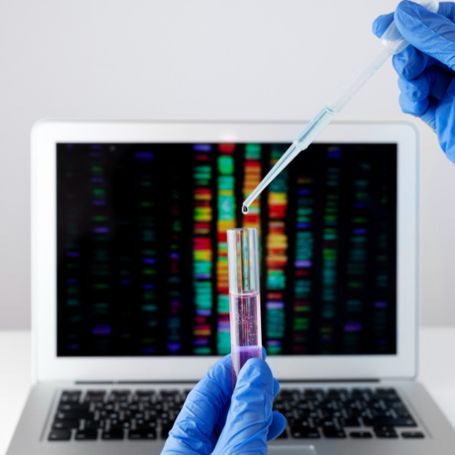
Diagnopein offers advanced Cytogenetic Chromosome Study to detect chromosomal abnormalities and genetic disorders, ensuring precise diagnosis for better clinical decisions.


The Cytogenetic Chromosome Study is a specialized genetic testing procedure that examines an individual’s chromosomes to identify structural or numerical abnormalities. This test plays a vital role in diagnosing inherited genetic disorders, congenital abnormalities, and fertility issues. The chromosome study involves analyzing cells under a microscope to observe the structure, number, and arrangement of chromosomes.
At Diagnopein, we use advanced cytogenetic analysis techniques such as karyotyping, FISH (Fluorescence In Situ Hybridization), and chromosomal microarray testing to deliver high-accuracy results. These assessments help clinicians recognize abnormalities such as Down syndrome, Turner syndrome, and Klinefelter syndrome efficiently.
Genetic health determines the underlying cause of many congenital and developmental conditions. A Cytogenetic Chromosome Study helps identify potential genetic defects responsible for medical conditions at an early stage. It is also an essential part of prenatal screening, helping detect fetal abnormalities during pregnancy.
This study is highly valuable for couples with a history of genetic disorders, recurrent miscarriages, unexplained infertility, or children with developmental delays. By understanding chromosomal behavior, clinicians can guide patients for better management and treatment planning.
Performing a Cytogenetic Chromosome Study at Diagnopein offers several diagnostic benefits:
Early detection of chromosomal disorders such as trisomy and monosomy
Supports medical genetic counseling for couples planning pregnancy
Helps identify causes of infertility, miscarriages, or developmental delays
Assists oncologists in identifying chromosomal abnormalities associated with cancers and hematologic diseases
Provides a foundation for precision medicine and targeted treatments
By detecting chromosomal irregularities, this test ensures a complete genetic profile, aiding in preventive healthcare and informed clinical decisions.
The Cytogenetic Chromosome Study begins with collecting a sample, usually blood, bone marrow, or amniotic fluid, depending on the condition being investigated. The sample is processed to culture cells, allowing chromosomes to become visible under a microscope during the metaphase stage.
At Diagnopein, our specialists perform high-resolution karyotyping and fluorescence imaging to analyze chromosomal structure. Each chromosome pair is examined to verify if they are intact, correctly arranged, or show any deletion, duplication, or translocation.
The process involves:
Sample collection
Cell culture and chromosome staining
Microscopic examination of chromosomes
Interpretation by a genetic expert
Detailed report generation
Typical parameters tested include total chromosome count, chromosomal pairing, structure integrity, and the presence of extra or missing genetic material.
Advanced molecular cytogenetic technology and automated imaging
Experienced clinical geneticists and certified pathologists
Reliable turnaround time and precise reporting
Personalized genetic counseling support
Affordable testing packages and patient-focused approach
At Diagnopein, we emphasize trust, transparency, and technology-driven diagnostics to help patients make informed healthcare choices with confidence.

Most patients experience minimal discomfort during sample collection. Local anesthesia may be used for procedures like amniocentesis or bone marrow aspiration to reduce pain.
Generally, no special preparation is needed. However, it's essential to inform your healthcare provider about any medications you are taking or any prior health issues.
<p>Cytogenetic chromosome testing is generally safe, but potential risks may include:<br> A] Bleeding or infection at the sample collection site<br> B] Miscarriage (specifically for invasive prenatal testing)</p>
This test is used to diagnose genetic disorders, assess infertility, investigate developmental delays, and evaluate cancers. It helps identify chromosomal abnormalities that may be responsible for these conditions.