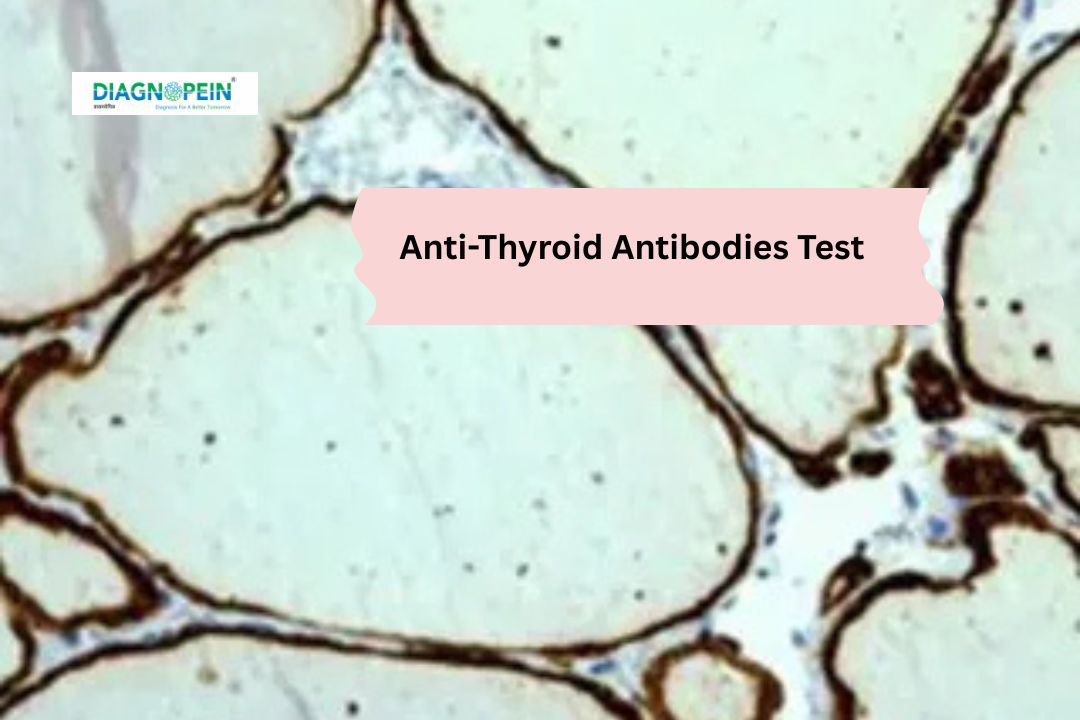
Discover the importance of Anti-Thyroid Antibodies testing for thyroid health. Early detection, accurate results, and expert guidance – only at


Report Availability
24 hours
The Anti-Thyroid Antibodies (ATA) test detects antibodies in the blood that attack the thyroid gland, leading to autoimmune conditions such as Hashimoto’s thyroiditis and Graves’ disease. It is an essential test for individuals experiencing unexplained fatigue, weight changes, mood swings, or hair loss. Measuring Anti-TPO and Anti-Tg antibodies helps doctors identify thyroid dysfunction early and tailor effective treatment plans.
Why Anti-Thyroid Antibodies Testing Is Important
What the Test Measures
The ATA test primarily looks for two antibodies:
How the Test Is Done
No special preparation is usually needed, but it’s best to follow your doctor’s advice.
Normal vs. Abnormal Results
Conclusion
Monitoring thyroid health is essential, especially if you experience unexplained symptoms or have a family history of thyroid disorders. The Anti-Thyroid Antibodies test is a simple yet powerful way to detect autoimmune thyroid conditions early and manage them effectively.
Check your thyroid health today with Diagnopein – reliable, fast, and convenient testing at your fingertips.

Yes, you can still have a thyroid disorder, such as non-autoimmune thyroiditis, toxic multinodular goiter, or iodine deficiency, even if you don’t have detectable anti-thyroid antibodies. Other tests, such as thyroid function tests (e.g., TSH, Free T4, Free T3), are often used to diagnose these conditions.
Fasting is usually not required, but follow any instructions from your healthcare provider.
The test is used to diagnose autoimmune thyroid diseases. If you have symptoms like unexplained weight changes, fatigue, or sensitivity to temperature, this test can help determine if an autoimmune disorder is affecting your thyroid. It's also used to monitor patients with existing thyroid conditions.
Anti-thyroid antibodies are proteins produced by the immune system that mistakenly attack the thyroid gland. The most common types are anti-thyroid peroxidase (anti-TPO) and anti-thyroglobulin (anti-Tg) antibodies. In some cases, TSH receptor antibodies are tested, particularly in Graves' disease.