Identify early gluten sensitivity with the Antigliadin IgM Antibodies Test. Receive fast, reliable results and take proactive steps to manage your digestive health with Dia


Report Availability
24 hours
₹ 1700 /-
Free Home Blood Collection
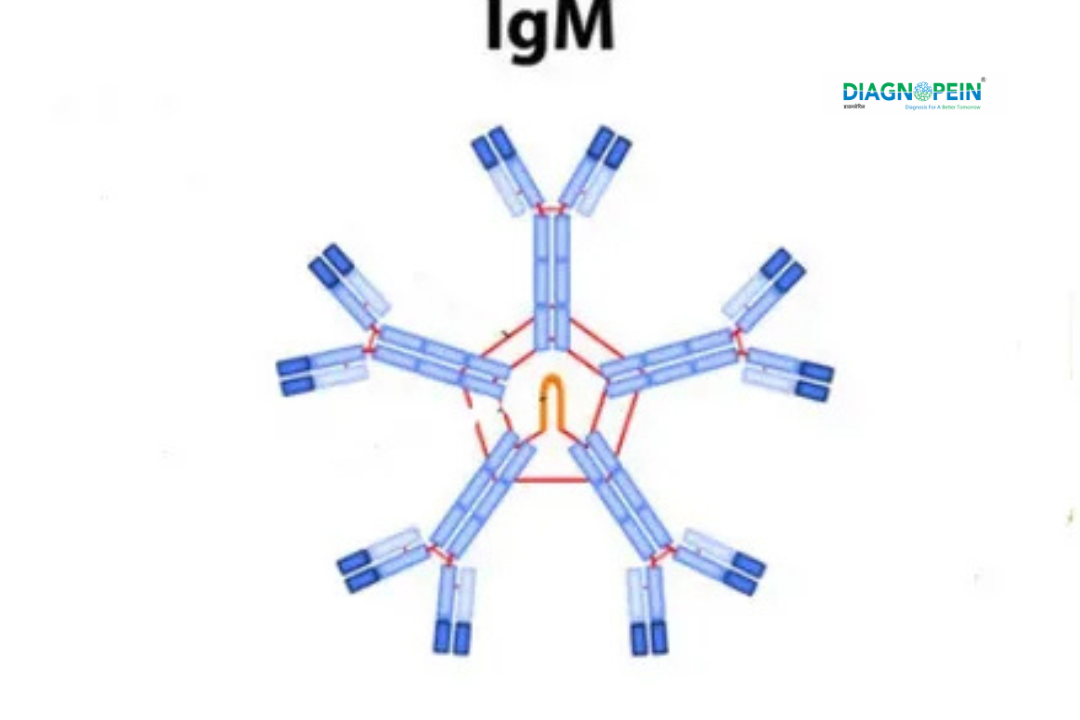
The Antigliadin IgM Antibodies Test is a blood test that detects early immune responses to gliadin, a protein found in wheat, barley, and rye. IgM antibodies appear first during gluten exposure, making this test ideal for early detection of gluten sensitivity or celiac disease. Timely testing helps prevent digestive issues, nutrient deficiencies, and chronic inflammation. At Diagnopein, you get accurate, reliable testing with fast results and expert guidance for effective management of your digestive health.
Importance of the Antigliadin IgM Test
How the Test Works
The Antigliadin IgM test is a simple blood test performed in certified laboratories like Diagnopein. Blood samples are analyzed for IgM antibodies against gliadin.

High antigliadin IgM levels indicate an immune response to gluten, which can suggest gluten sensitivity or celiac disease, particularly when accompanied by symptoms or elevated IgG and IgA levels.
Yes, antibody levels can fluctuate depending on gluten intake. Following a gluten-free diet may result in decreased antigliadin antibody levels over time.
Often, tissue transglutaminase (tTG) and anti-endomysial antibodies (EMA) tests are recommended alongside gliadin testing, especially in suspected celiac disease cases.
Typically, fasting is not required for this test. However, it is advisable to follow any specific instructions provided by your healthcare provider.
Gliadin IgA antibodies tend to reflect immune responses in the intestines, while gliadin IgG indicates a general immune reaction to gluten, both relevant in diagnosing gluten sensitivity and celiac disease.