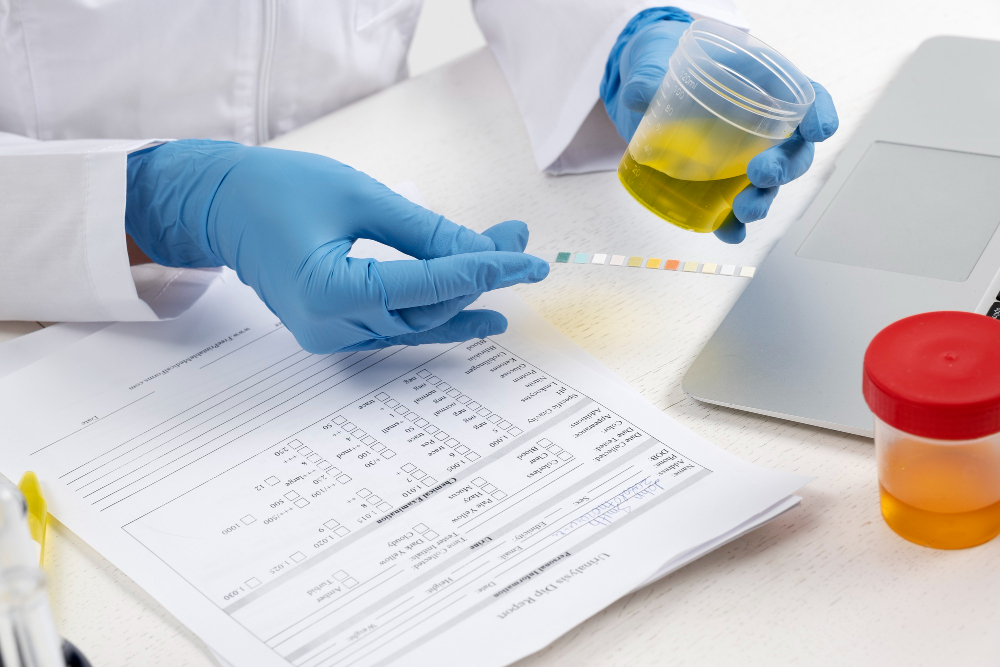
Learn about the AFB Stain – Fluid test, how it helps in diagnosing tuberculosis and other mycobacterial infections, and why timely testing is crucial for effective treatment.


The AFB Stain – Fluid test is a vital diagnostic procedure to detect Acid-Fast Bacilli (AFB), bacteria responsible for tuberculosis and other mycobacterial infections. By examining body fluids like sputum, pleural fluid, or cerebrospinal fluid, the test helps in early diagnosis, guiding effective treatment, and preventing disease spread. Performed using specialized staining techniques and microscopic examination, this test is fast, reliable, and essential for accurate TB detection.
The AFB Stain – Fluid test is a laboratory procedure used to detect Acid-Fast Bacilli (AFB), which are bacteria like Mycobacterium tuberculosis that cause tuberculosis (TB) and related infections. This test examines fluids from the body, such as sputum, pleural fluid, cerebrospinal fluid, or urine, to identify the presence of these bacteria.
AFB bacteria have a unique cell wall that makes them resistant to common stains. The AFB staining technique uses special dyes to make these bacteria visible under a microscope, aiding in early diagnosis.
Early detection of TB or other mycobacterial infections is crucial for effective treatment and preventing the spread of the disease. This test helps:
Without proper testing, TB can progress and lead to severe health complications.
The procedure is quick, usually taking a few hours to a day, depending on the lab workflow.
Doctors may combine AFB staining with culture tests or molecular diagnostics for more precise results.
At Diagnopein Diagnostic, we provide accurate and reliable AFB Stain – Fluid testing with expert technicians and modern laboratory facilities. Our goal is to ensure early detection and help you stay healthy.
Book your test today at www.diagnopein.com or visit your nearest Diagnopein Diagnostic center.

The results are typically available within 24-48 hours.
A positive result indicates the presence of acid-fast bacteria, usually Mycobacterium tuberculosis, suggesting tuberculosis in the tested fluid.
This test can be performed on fluids from the pleura (lungs), peritoneum (abdomen), synovial fluid (joints), and other serous fluids.
A sample is obtained through a minimally invasive procedure called aspiration, where fluid is extracted from the affected area using a needle.





