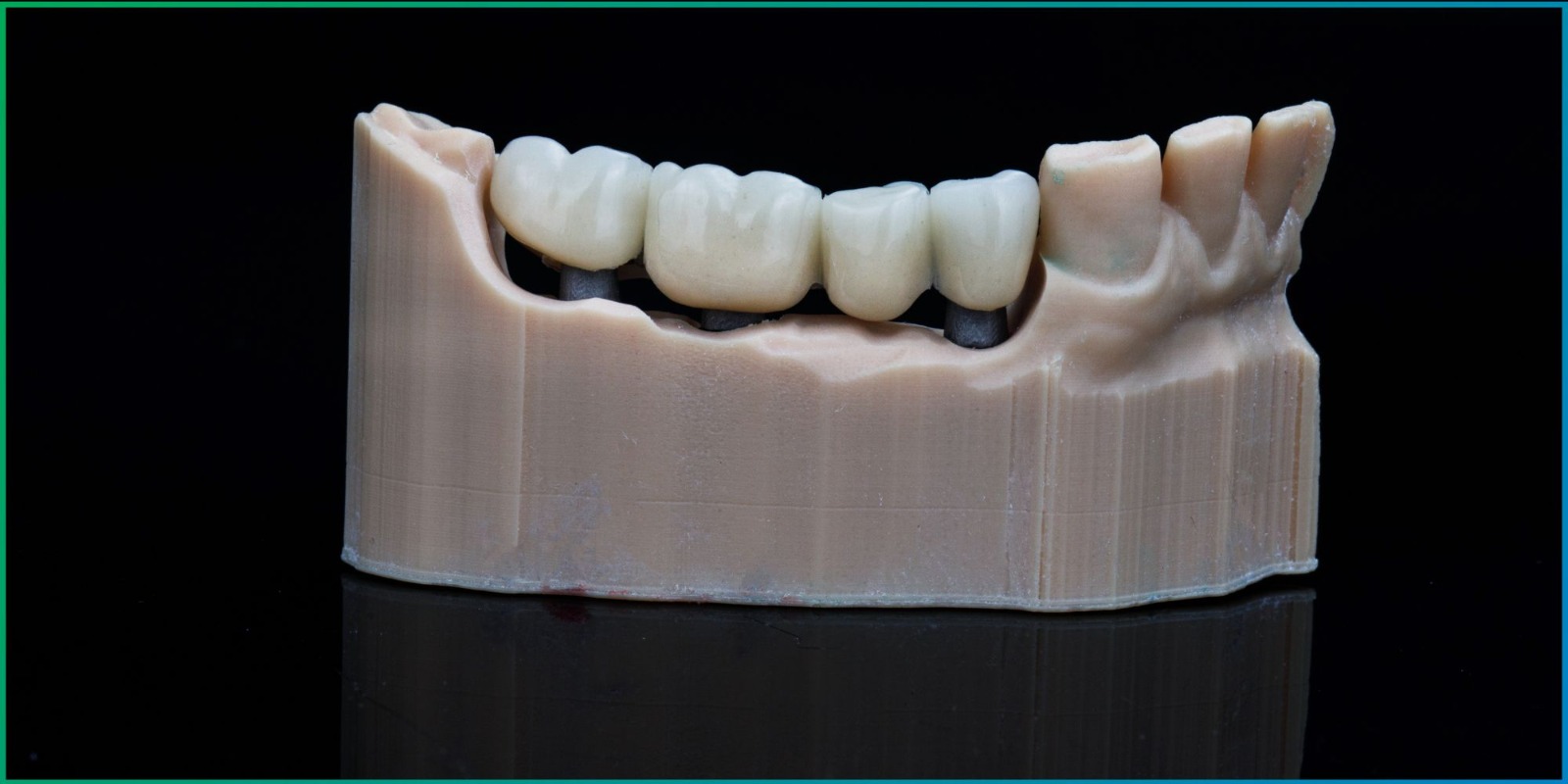
What Is a Dental Crown?
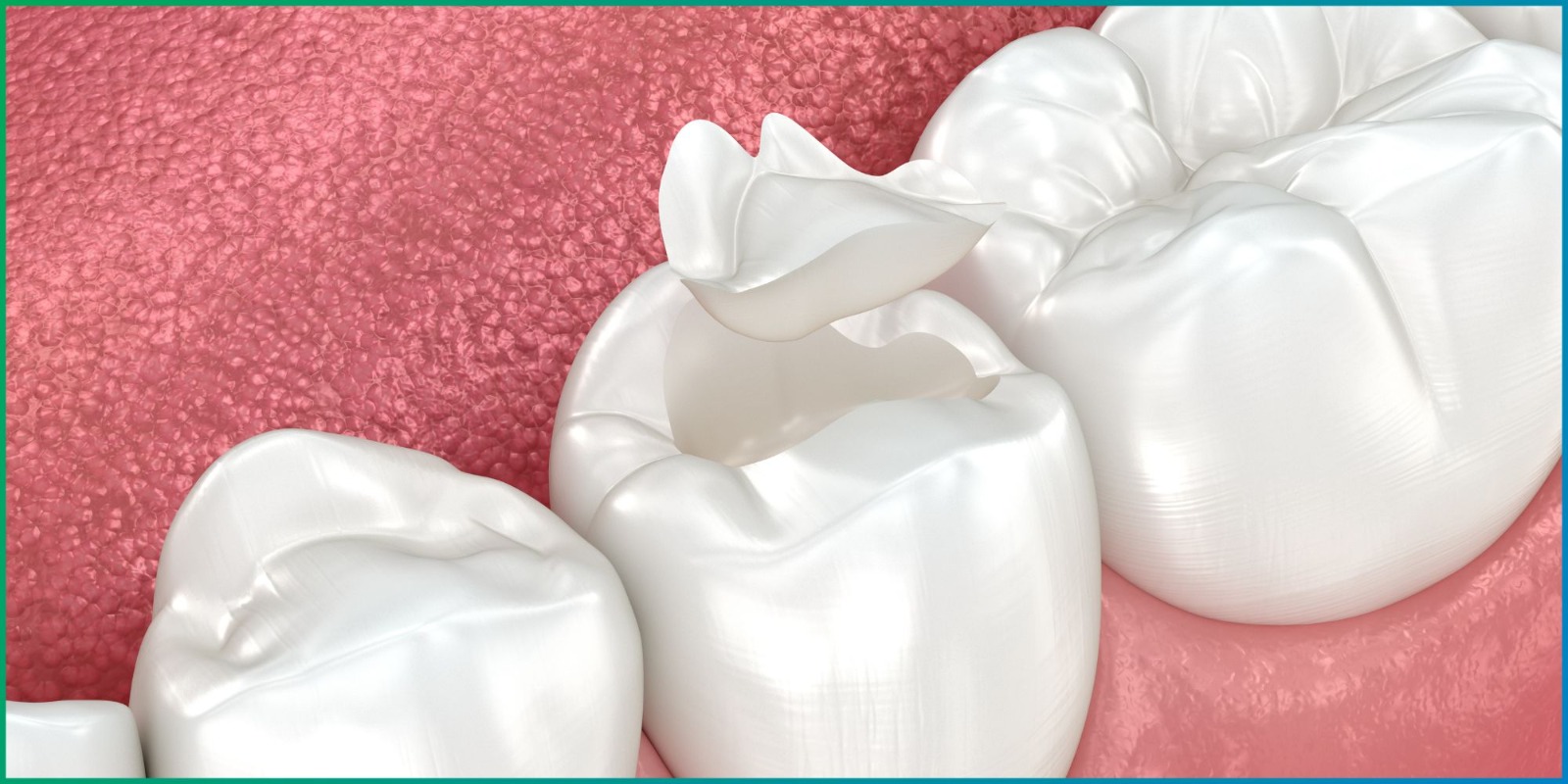
A Dental Crown covers the visible portion of your tooth. It helps restore shape, size, and function.
Crowns are custom-made to match your natural teeth. Once placed, they look and feel completely natural.
When Do You Need a Dental Crown?
Your dentist may recommend a crown if you have:
-
A cracked or broken tooth
-
A large cavity
-
A tooth after root canal treatment
-
Severely worn teeth
-
Discolored or misshaped teeth
-
A dental implant that needs a cap
Early treatment prevents further damage and saves your natural tooth.
Types of Dental Crowns
Different materials are available depending on your needs and budget.
Visit Now: https://www.diagnopein.com/dental-clinic/Nagpur/Dental-Crown
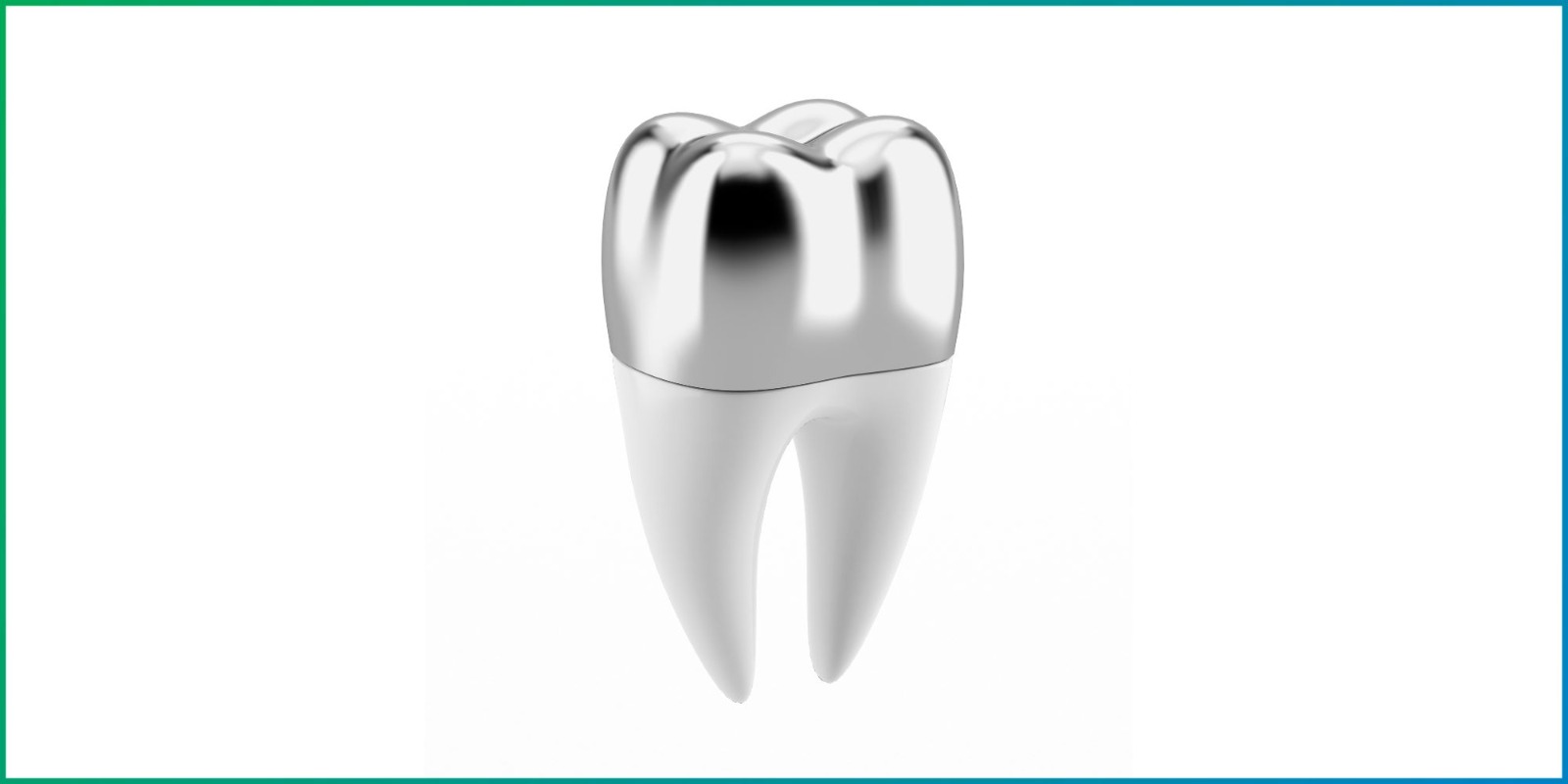
1. Metal Crowns
Strong and long-lasting. Ideal for back teeth.
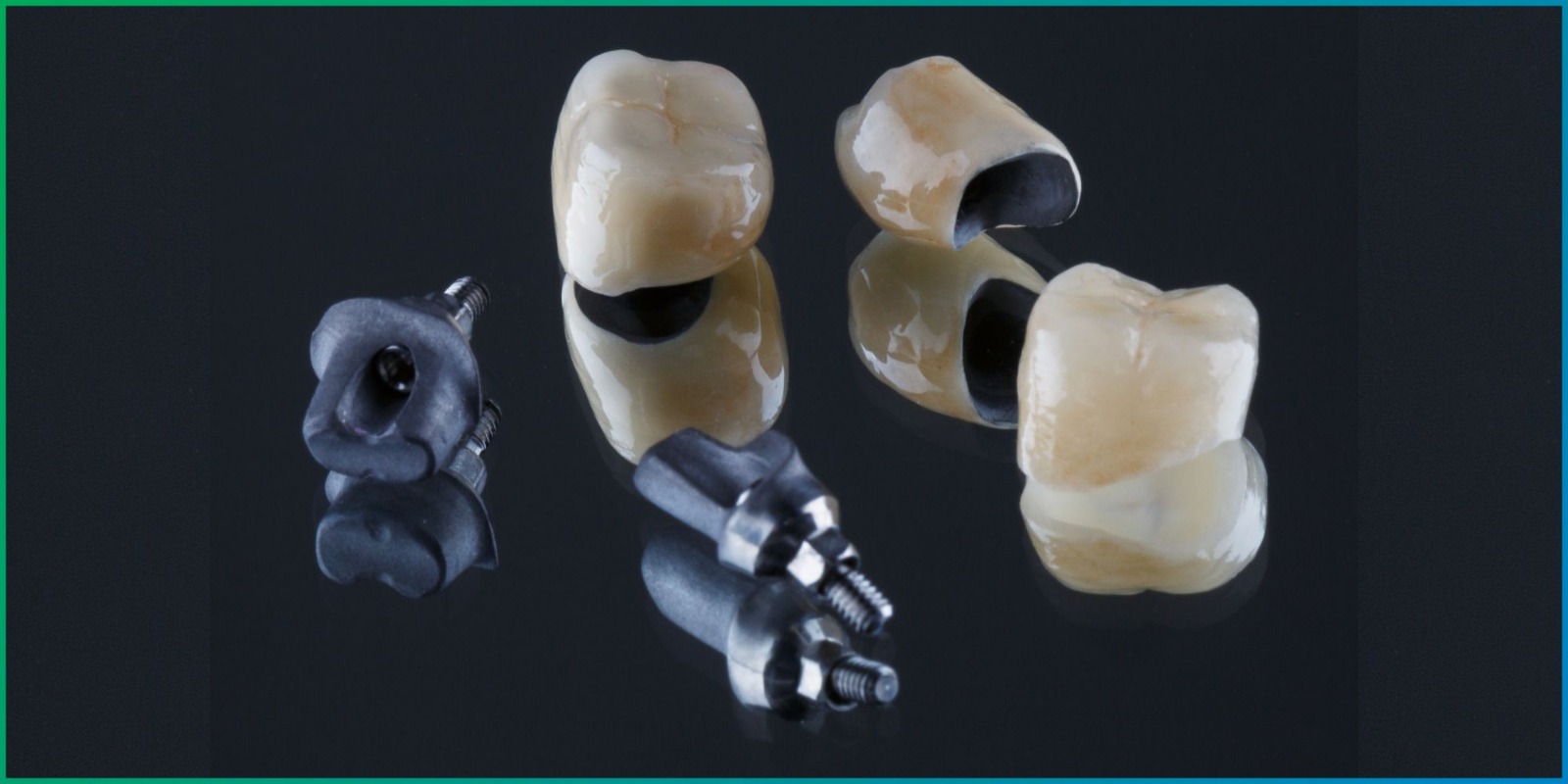
2. Porcelain-Fused-to-Metal (PFM)
Natural appearance with added strength.
3. Zirconia Crowns
Highly durable and aesthetically pleasing.
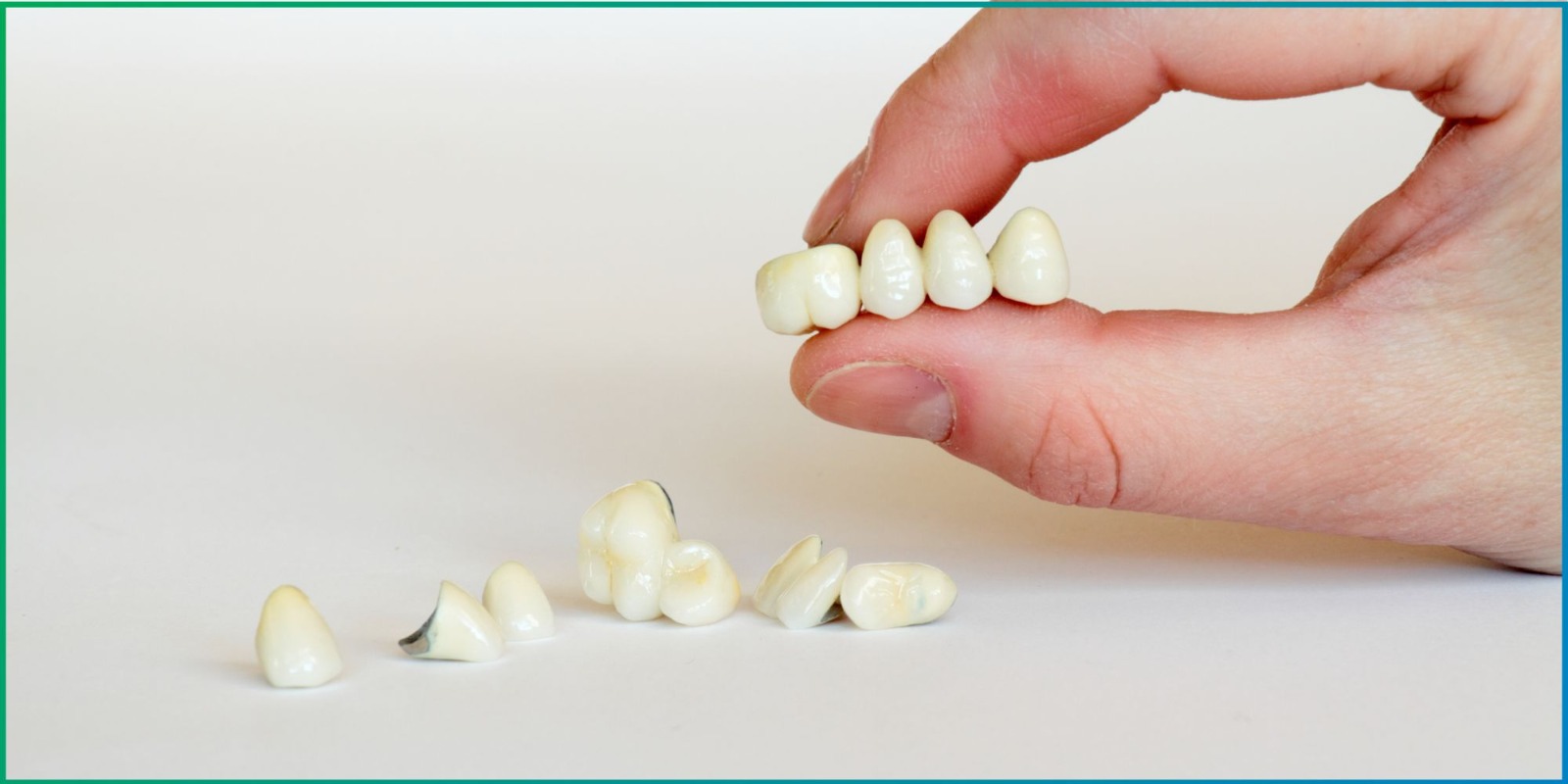
4. All-Ceramic Crowns
Best for front teeth due to superior aesthetics.
Your dentist will suggest the best option based on tooth location and bite pressure.
Dental Crown Procedure
The treatment usually takes 2 visits.
First Visit
-
Tooth examination and X-ray
-
Tooth reshaping
-
Impression taken
-
Temporary crown placement
Second Visit
-
Permanent crown placement
-
Bite adjustment
-
Final cementing
The procedure is painless and done under local anesthesia.
Cost of Dental Crown in Nanded
The cost depends on the material used and case complexity.
Book Now: https://www.diagnopein.com/dental-clinic/Nagpur
Approximate price range:
-
Metal Crown: ?2,000 – ?4,000
-
PFM Crown: ?3,000 – ?6,000
-
Zirconia Crown: ?8,000 – ?15,000
-
Ceramic Crown: ?6,000 – ?12,000
For an exact estimate, a dental consultation is recommended.
Benefits of Dental Crowns
-
Restores chewing ability
-
Protects weak teeth
-
Improves smile appearance
-
Long-lasting solution
-
Prevents further tooth damage
With proper care, crowns can last 10–15 years or more.
Why Choose a Professional Dentist in Nanded?
Choosing an experienced dentist ensures:
-
Proper diagnosis
-
High-quality materials
-
Accurate crown fitting
-
Long-term durability
Regular dental checkups help maintain crown health.
Aftercare Tips for Dental Crowns
-
Brush twice daily
-
Floss gently around the crown
-
Avoid biting very hard foods
-
Visit your dentist regularly
Good oral hygiene increases the lifespan of your crown.
Final Thoughts
Dental crown treatment is a safe and effective way to restore damaged teeth. It improves both function and appearance.
If you are experiencing tooth damage or pain, consult a qualified dentist in Nanded for expert guidance.





.jpg "Dental Crown")