What is a Dental Bridge?
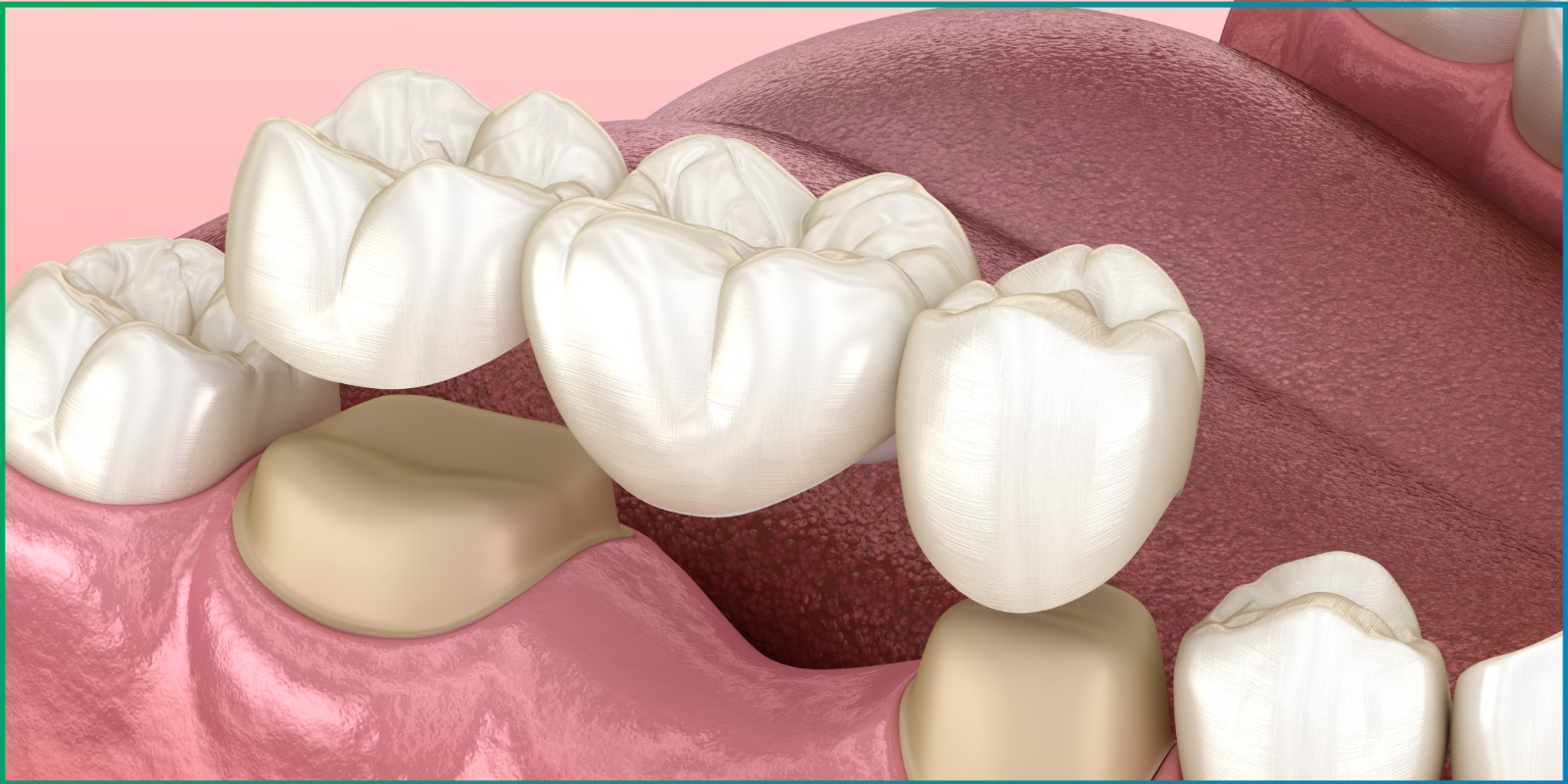
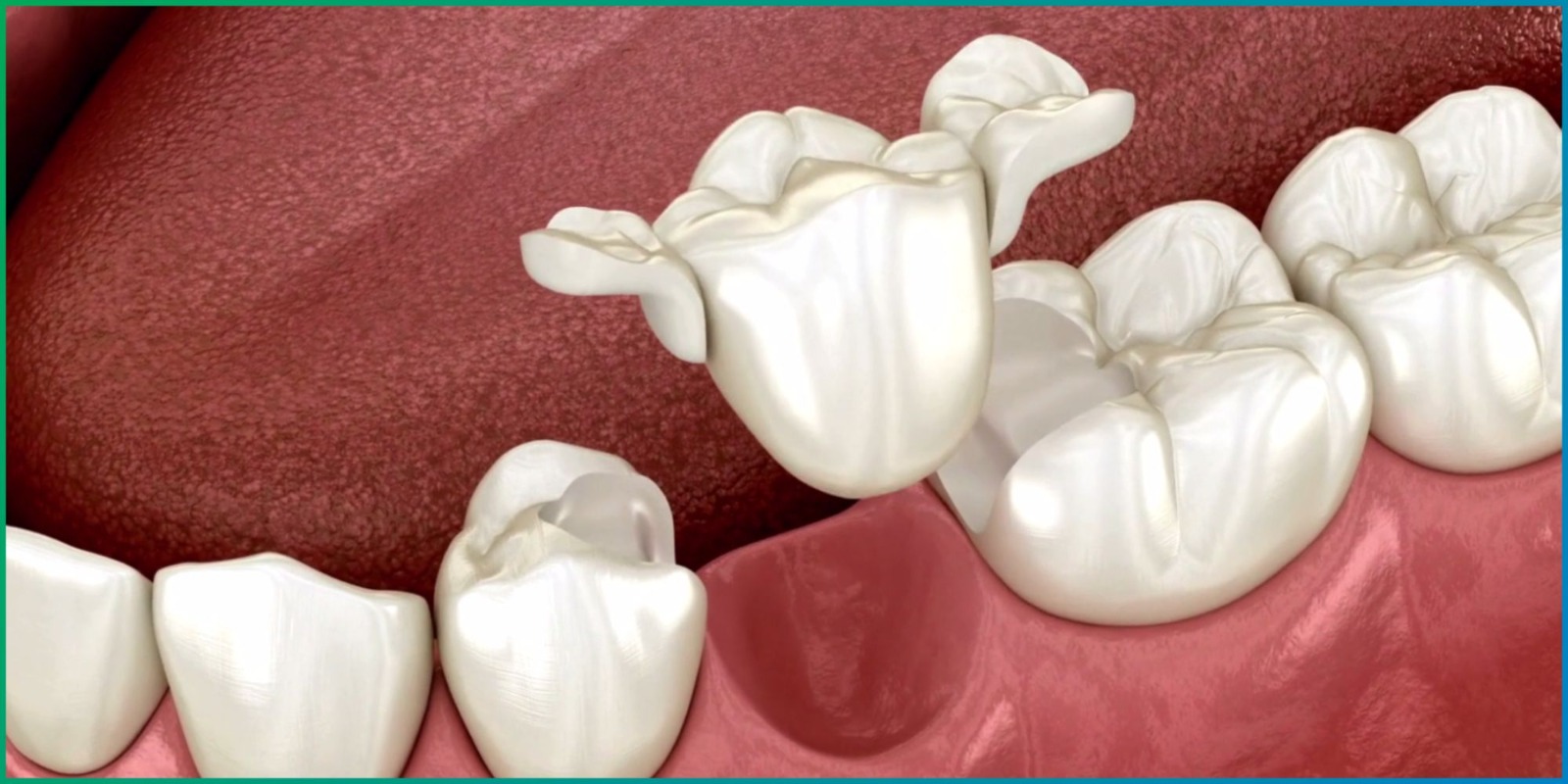
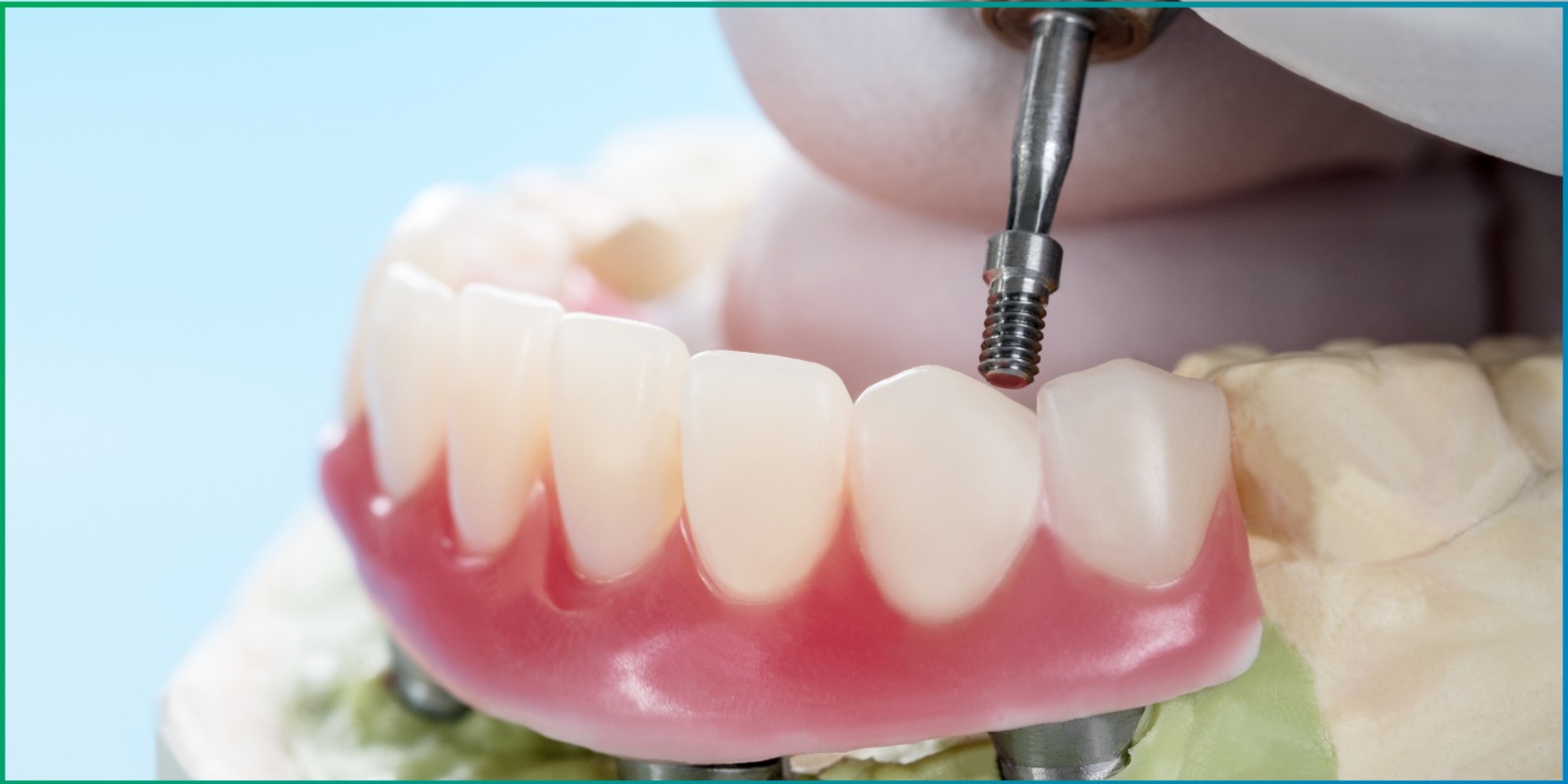
A dental bridge is a fixed prosthetic device used to replace one or more missing teeth.
It fills the gap created by missing teeth using artificial teeth that are supported by natural teeth or dental implants.
Dental Bridges restore both function and appearance.
Why You May Need a Dental Bridge
You may require a dental bridge if:
Visit Now: https://www.diagnopein.com/dental-clinic/Nanded/Dental-Bridges
-
You have one or more missing teeth
-
You face difficulty while chewing
-
Your teeth are shifting due to gaps
-
Your smile looks incomplete
-
You want a fixed replacement option
Early treatment prevents further dental problems.
Types of Dental Bridges
1. Traditional Dental Bridge
This is the most common type.
It uses crowns placed on the teeth adjacent to the gap.
It is strong, durable, and long-lasting.
2. Cantilever Bridge
This bridge is used when there is only one supporting tooth next to the gap.
It is less common but useful in specific cases.
3. Maryland Bridge
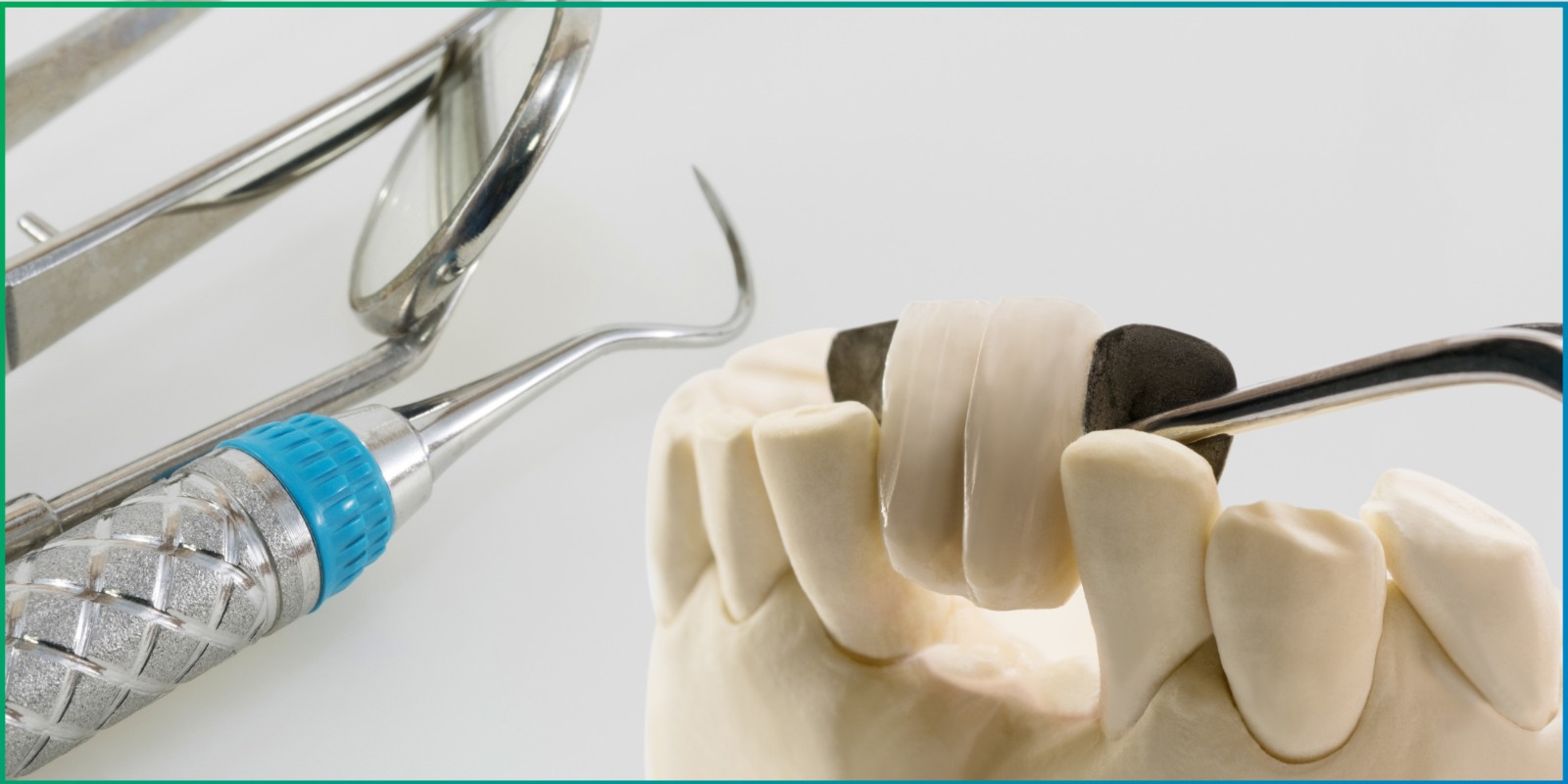
This type uses a metal or porcelain framework bonded to the back of adjacent teeth.
Book Now: https://www.diagnopein.com/dental-clinic/Nanded
It is more conservative and preserves natural tooth structure.
4. Implant-Supported Bridge
This bridge is supported by dental implants instead of natural teeth.
It offers maximum stability and long-term durability.
Benefits of Dental Bridges
Dental bridges offer several advantages:
-
Restores chewing efficiency
-
Improves speech clarity
-
Prevents teeth shifting
-
Maintains facial shape
-
Enhances smile appearance
-
Provides long-lasting results
With proper care, bridges can last 10–15 years or more.
Dental Bridge Procedure – What to Expect
The procedure usually takes 2–3 visits.
First, the supporting teeth are prepared. Impressions are taken to design a custom bridge.
Once ready, the bridge is fixed securely. It is adjusted for comfort and bite alignment.
The process is simple and painless.
Dental Bridge Cost in Nanded
The cost of a dental bridge in Nanded depends on:
-
Type of bridge
-
Material used (metal, ceramic, zirconia)
-
Number of missing teeth
-
Additional treatments required
At Diagnopein Dental Clinic, we offer affordable pricing with high-quality materials.
Contact us today for a consultation and personalized cost estimate.
Why Choose Diagnopein Dental Clinic in Nanded?
We focus on quality, comfort, and long-term results.
? Experienced dental specialists
? Advanced dental technology
? Natural-looking materials
? Affordable pricing
? Hygienic and modern clinic
? Personalized treatment plans
Your smile is our priority.
How to Care for Your Dental Bridge
Proper care increases the lifespan of your bridge.
-
Brush twice daily
-
Floss under the bridge regularly
-
Use an antibacterial mouthwash
-
Visit your dentist every 6 months
Good oral hygiene ensures long-lasting results.