What is an MRI Pelvis Scan?
An MRI Pelvis Scan produces high-resolution images of soft tissues in the pelvic area. Unlike CT scans or X-rays, it does not use radiation.
Doctors use it to examine:
-
Uterus and ovaries
-
Prostate gland
-
Urinary bladder
-
Blood vessels
-
Soft tissue tumors
It helps detect abnormalities that other imaging tests may miss.
MRI Pelvis Scan Price in Pune
The Cost Of An MRI Pelvis Scan in Pune varies based on diagnostic center, technology used, and whether contrast dye is required.
Average Price Range
The typical price ranges between ?5,000 and ?12,000.
Factors Affecting the Cost
-
Use of contrast injection
-
Hospital vs diagnostic center
-
Scan urgency
-
Radiologist expertise
-
Machine type (1.5T vs 3T MRI)
Always confirm the final price before booking.
When Do Doctors Recommend an MRI Pelvis?
Doctors suggest this scan when patients experience unexplained symptoms or when other tests are inconclusive.
Common reasons include:
-
Chronic pelvic pain
-
Suspected tumors or cysts
-
Infertility evaluation
-
Injury or trauma
-
Cancer staging
-
Prostate assessment
Early diagnosis improves treatment outcomes.
How to Prepare for an MRI Pelvis Scan
Preparation is simple, but following instructions ensures accurate results.
Before the Scan
-
Remove metal objects and jewelry
-
Inform staff about implants or pacemakers
-
Follow fasting instructions if contrast is used
-
Wear comfortable clothing
During the Scan
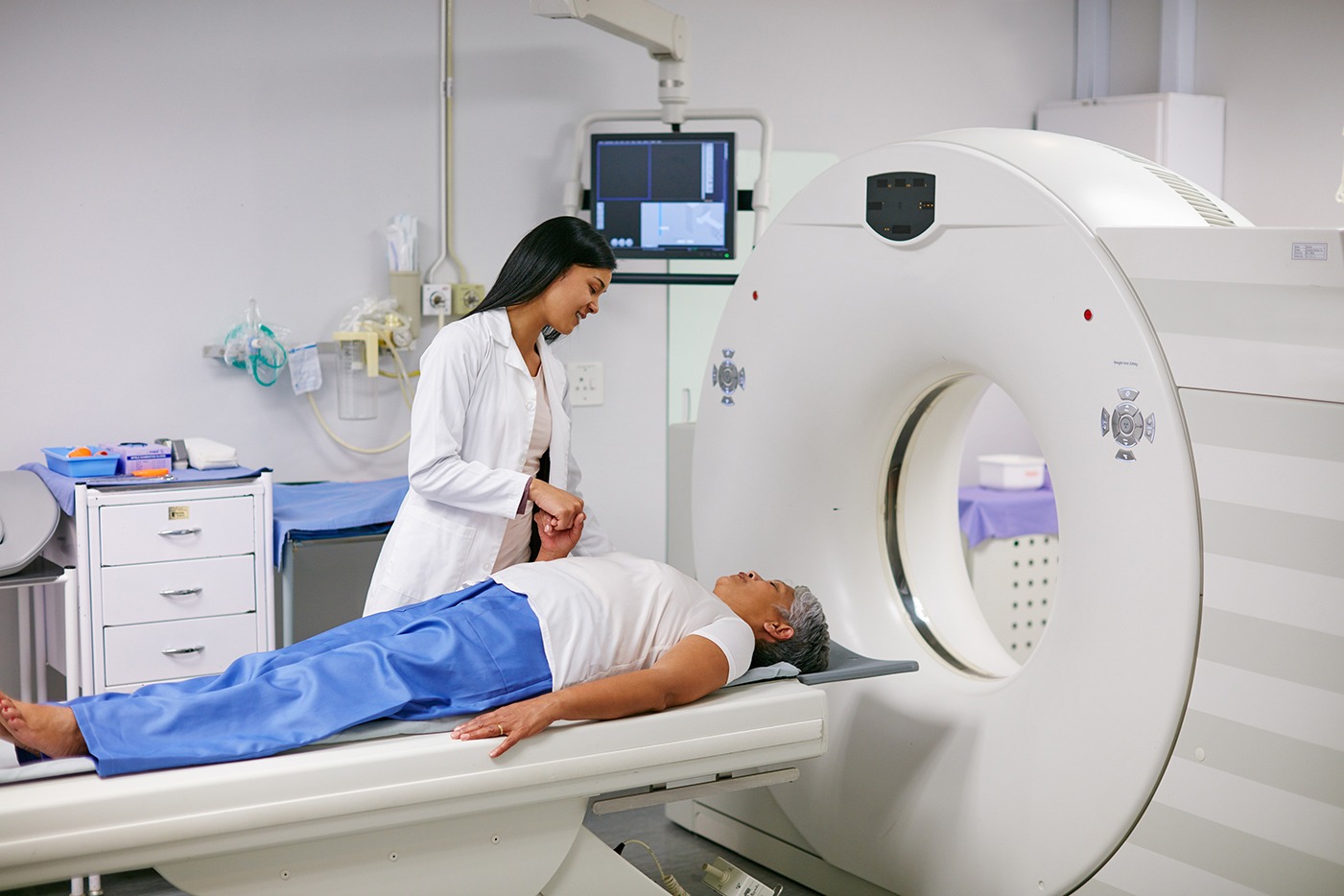
You will lie still on a sliding table while the machine captures images. The procedure is painless and usually takes 30–45 minutes.
Is MRI Pelvis Scan Safe?
MRI scans are considered safe for most people because they do not use radiation. However, patients with metal implants must inform the technician in advance.
Mild discomfort may occur due to machine noise or staying still for a long time.
Benefits of MRI Pelvis Imaging
This scan provides detailed insights that help doctors make accurate diagnoses.
Key advantages:
-
High-resolution soft tissue imaging
-
No radiation exposure
-
Early disease detection
-
Non-invasive procedure
-
Accurate treatment planning
How to Book an MRI Pelvis Scan in Pune
Booking is quick and convenient.
Follow these steps:
-
Choose a trusted diagnostic center
-
Compare prices and facilities
-
Schedule an appointment
-
Follow preparation instructions
-
Carry previous medical reports
Early booking helps avoid waiting time.
Conclusion
An MRI Pelvis Scan is a safe and effective diagnostic tool for detecting pelvic disorders. Understanding the price, procedure, and preparation helps patients plan better and avoid stress.
If your doctor recommends this scan, timely testing can lead to faster diagnosis and treatment.