What is MRI Brain Angio & Neck Angio?
MRI Angiography (MRA) is an advanced imaging technique that focuses specifically on blood vessels.
Unlike a regular MRI, this scan highlights arteries and veins to detect abnormalities in blood circulation.
It is commonly recommended for patients with:
-
Frequent headaches
-
Dizziness or fainting
-
Suspected stroke
-
High blood pressure complications
-
Family history of aneurysm
Why is This Scan Done?
Doctors recommend MRI Brain & Neck Angio to diagnose vascular problems early.
Detect Brain Aneurysm
An aneurysm is a bulging blood vessel in the brain. Early detection can prevent life-threatening rupture.
Identify Blocked or Narrowed Arteries
Reduced blood flow to the brain can increase stroke risk. This scan helps locate blockages.
Evaluate Stroke Risk
Patients with diabetes, hypertension, or heart disease often undergo this scan for preventive screening.
Check Vascular Malformations
Abnormal blood vessel formation can cause seizures or neurological symptoms.
Procedure of MRI Brain & Neck Angio
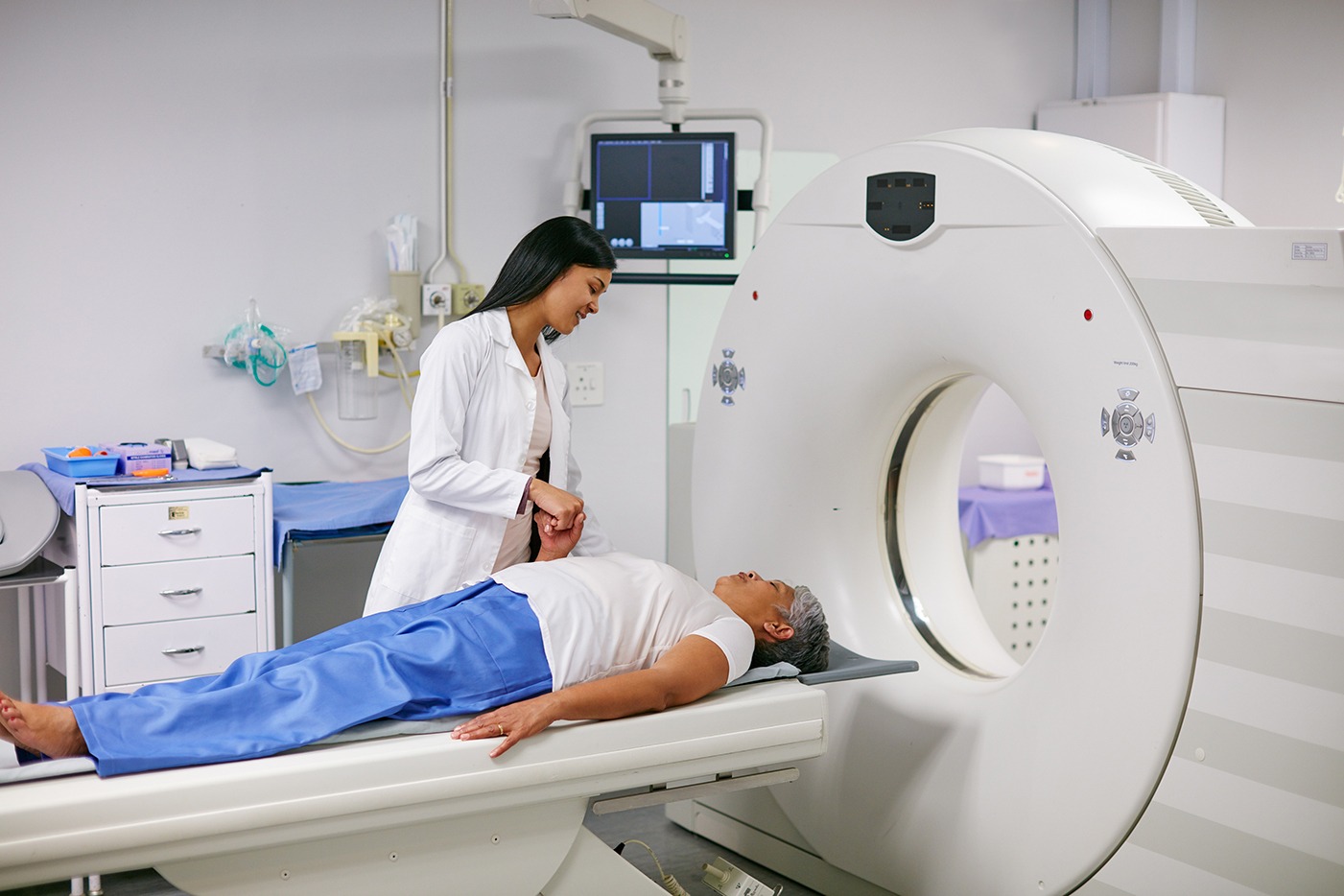
The procedure is simple and painless.
-
You lie down on the MRI table.
-
The table moves into the MRI scanner.
-
The machine captures detailed images of brain and neck blood vessels.
-
The scan typically takes 20–45 minutes.
In some cases, contrast dye may be used for clearer imaging.
There is no radiation exposure.
Preparation Guidelines
Preparation is minimal.
-
Remove metal objects (jewelry, watches, hairpins).
-
Inform the doctor if you have implants or pacemakers.
-
Tell your doctor if you are pregnant.
-
Fasting is usually not required unless contrast is used.
Always follow the specific instructions given by the diagnostic center.
Cost of MRI Brain Angio & Neck Angio in Nagpur
The cost of MRI Brain Angio & Neck Angio in Nagpur typically depends on:
-
Whether contrast is used
-
Diagnostic center technology
-
Radiologist expertise
For exact pricing, contact your local diagnostic center.
Benefits of MRI Brain & Neck Angio
This scan offers several advantages:
-
Non-invasive
-
No radiation exposure
-
Highly accurate vascular imaging
-
Early stroke risk detection
-
Safe for repeated use (if required)
Who Should Avoid This Scan?
MRI may not be suitable for patients with:
-
Certain metal implants
-
Pacemakers (unless MRI-compatible)
-
Severe claustrophobia (sedation may be needed)
Always consult your doctor before scheduling the test.
Final Thoughts
MRI Brain Angio & Neck Angio is a crucial diagnostic tool for detecting vascular problems before they become serious.
If you are experiencing neurological symptoms or have stroke risk factors, consult your doctor about scheduling this scan in Nagpur.
Early diagnosis can save lives.