What is MRI Angiography?
MRI Angiography is a non-invasive scan that uses strong magnetic fields and radio waves to produce detailed images of blood vessels.
Unlike traditional angiography, it does not require catheter insertion into arteries. In many cases, no radiation is involved.
Doctors commonly use MRA to evaluate blood flow in:
-
Brain
-
Neck
-
Heart
-
Kidneys
-
Legs and arms
Why is MRI Angiography Done?
Doctors recommend this scan to diagnose or monitor vascular conditions.
Visit Now: https://www.diagnopein.com
It helps detect:
-
Blocked or narrowed arteries
-
Aneurysms (bulging blood vessels)
-
Blood clots
-
Congenital vessel abnormalities
-
Risk of stroke
Early detection allows timely treatment and prevents complications.
Procedure of MRI Angiography
Preparation
You may be asked to:
-
Avoid eating for a few hours
-
Remove metal objects
-
Inform the doctor about implants or medical devices
In some cases, a contrast dye is injected to enhance image clarity.
During the Scan
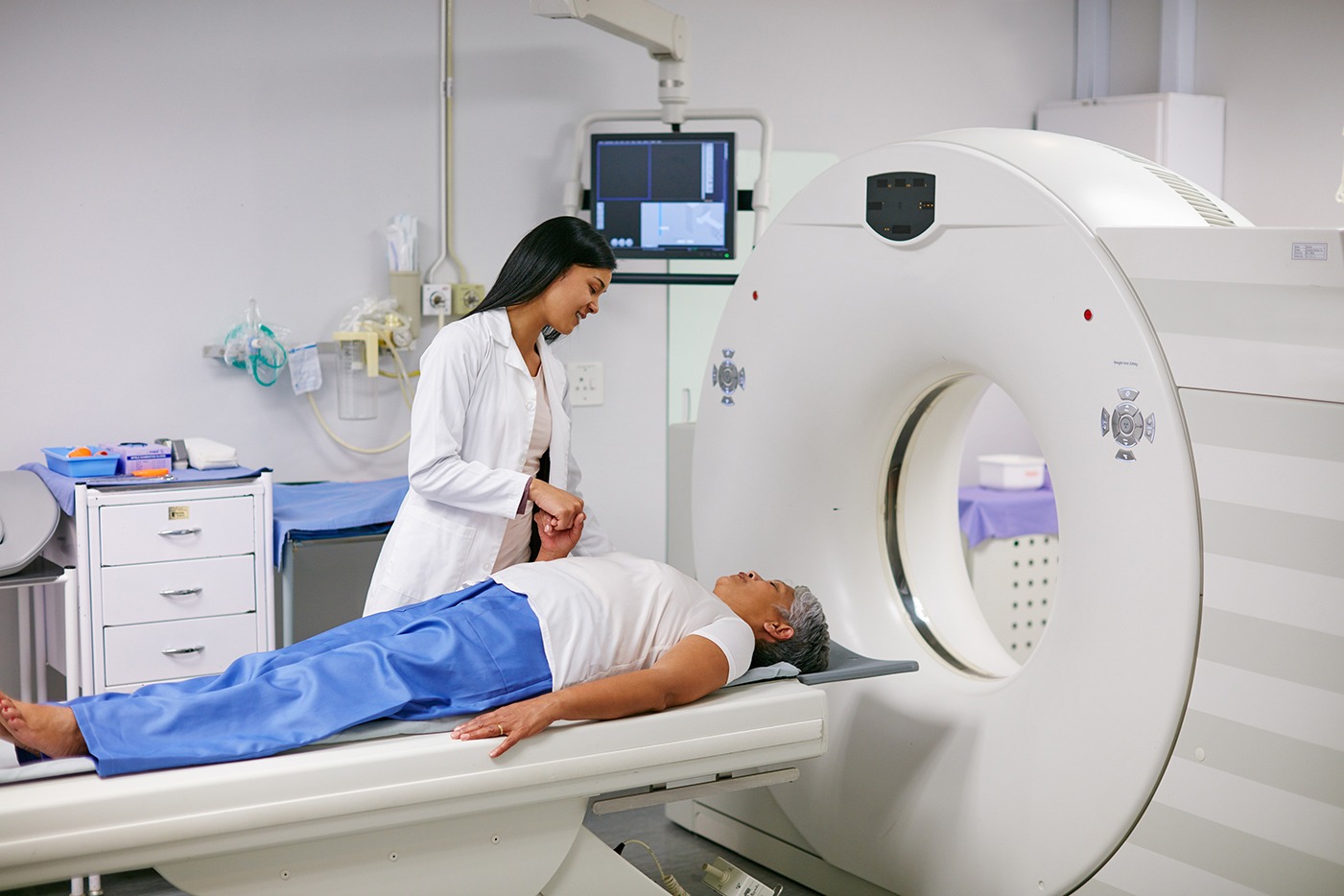
You will lie on a sliding table that moves into the MRI machine. The scan is painless but may produce loud noises. The procedure usually takes 30 to 60 minutes.
After the Scan
You can resume normal activities immediately unless sedation was used.
Benefits of MRI Angiography
-
Non-invasive and safe
-
No radiation exposure
-
Highly detailed images
-
Early detection of vascular disease
-
Helps guide treatment planning
Cost of MRI Angiography in Pune
The cost varies based on:
-
Body part examined
-
Use of contrast dye
-
Diagnostic center facilities
On average, prices range between ?6,000 and ?15,000.
Who Should Get This Scan?
Your doctor may recommend MRI Angiography if you experience:
-
Persistent headaches
-
Dizziness or fainting
-
Poor blood circulation
-
Suspected stroke symptoms
-
Unexplained chest or limb pain