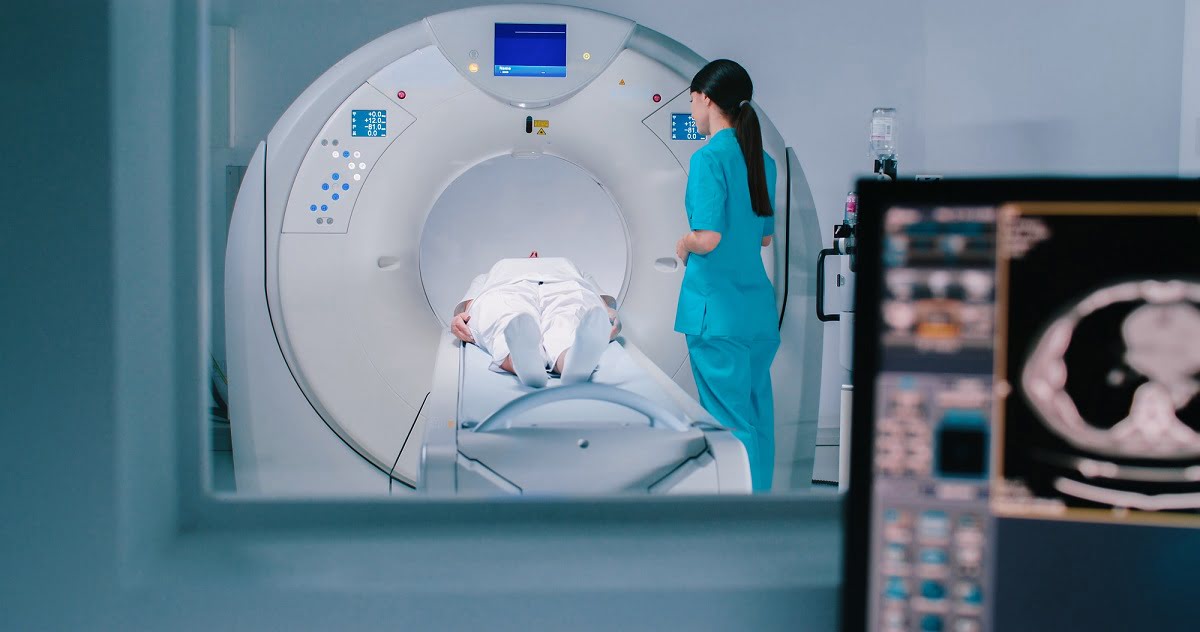
What is a CT KUB Scan?
CT KUB stands for Computed Tomography of Kidneys, Ureters, and Bladder.
It is an advanced imaging test that uses X-rays and a computer to create detailed cross-section images of the urinary system.
When done with contrast, a special dye is used to make organs and blood flow more visible, helping doctors detect problems more accurately.
Why is Contrast Used?
Contrast dye highlights internal structures that may not be clearly visible on a plain scan.
Doctors typically recommend contrast CT KUB to detect:
-
Kidney stones and urinary blockages
-
Tumors or abnormal growths
-
Infections or inflammation
-
Blood flow issues
-
Structural abnormalities
-
Causes of severe abdominal or flank pain
It provides sharper detail than a non-contrast scan, especially when evaluating soft tissues.
Who Needs This Scan?
Your doctor may suggest a CT KUB (contrast) if you have:
-
Persistent lower abdominal or side pain
-
Blood in urine
-
Recurrent urinary infections
-
Suspected kidney stones
-
Unexplained urinary symptoms
-
Abnormal ultrasound findings
Preparation Before the Scan
Preparation is simple but important.
You may be asked to:
-
Fast for 4–6 hours before the test
-
Drink water (unless told otherwise)
-
Inform the doctor about:
-
Diabetes
-
Kidney disease
-
Allergy to contrast dye
-
Pregnancy
-
Current medications
Wear comfortable clothing and remove metal objects before scanning.
Step-by-Step Procedure
-
You lie on a motorized CT table.
-
Contrast dye is injected through a vein (you may feel warmth briefly).
-
The table moves through the CT scanner ring.
-
You’ll be asked to stay still and hold your breath briefly.
-
Images are captured within minutes.
Is It Safe?
Yes, CT KUB is generally safe when performed under medical guidance.
Possible temporary effects:
-
Warm sensation after contrast injection
-
Mild nausea (rare)
-
Allergic reaction (very rare and monitored)
Patients with kidney problems may need special evaluation before contrast use.
CT KUB (Contrast) Cost in Pune
The price varies depending on the diagnostic center, technology, and reporting quality.
Typical price range:
?4,000 – ?9,000
Factors affecting cost:
-
64-slice or higher CT scanner
-
Radiologist expertise
-
Same-day reporting
-
Hospital vs diagnostic center
After the Scan
-
Drink plenty of water to flush contrast from your body
-
Resume normal activities immediately (unless advised otherwise)
-
Reports are usually available within 24 hours