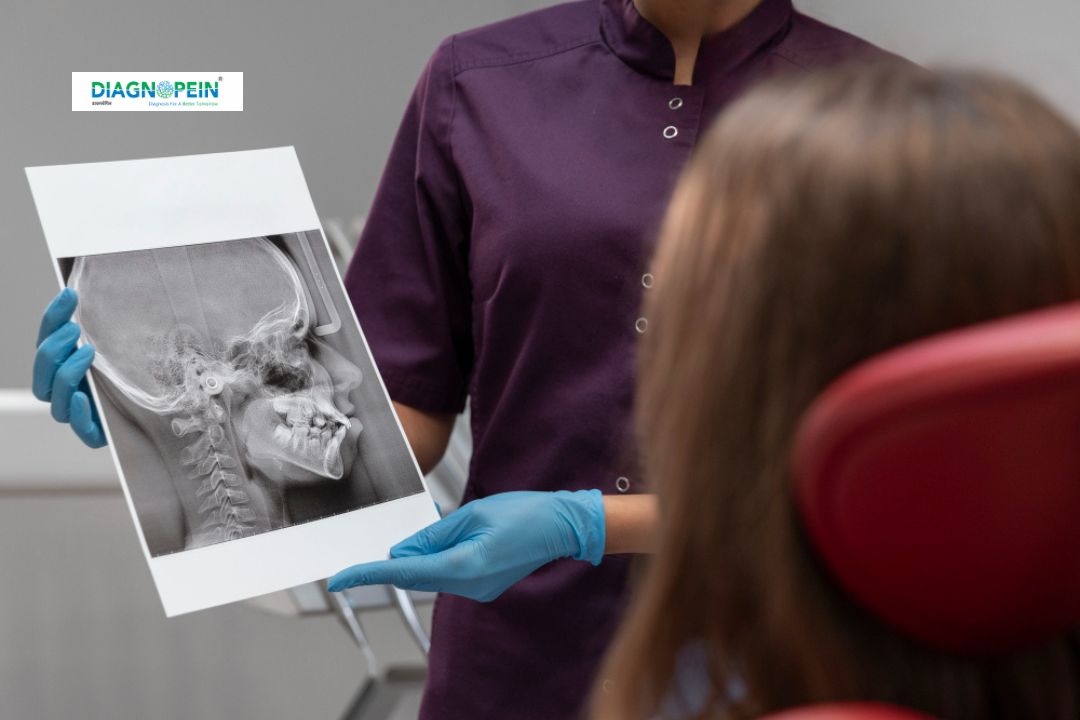
Why MRI for Salivary Glands with Sialography is Important
Salivary glands play a critical role in oral health, digestion, and overall well-being. Disorders such as sialolithiasis (salivary stones), chronic infections, tumors, or ductal abnormalities can significantly affect daily life. Early diagnosis is essential to prevent complications like glandular swelling, pain, or chronic infections.
MRI for Salivary Glands with Sialography provides:
-
Clear images of the salivary ducts and glandular tissue.
-
Ability to detect small stones or strictures that other imaging methods may miss.
-
Identification of inflammatory or neoplastic conditions early on.
-
Safe imaging without the risks of ionizing radiation.
By combining MRI with sialography, doctors in Nanded can precisely locate the problem, leading to targeted treatment and better recovery.
Benefits of MRI for Salivary Glands with Sialography
Patients opting for MRI with sialography enjoy several benefits, including:
-
Non-Invasive Procedure – No surgery or needles are needed for imaging, ensuring patient comfort.
-
Radiation-Free Imaging – Unlike CT scans or X-rays, MRI uses magnetic fields, making it safer for repeated follow-ups.
-
Detailed Visualization – Detects even minor ductal obstructions, stones, or cysts that conventional ultrasound might miss.
-
Early Diagnosis – Helps in identifying tumors or inflammatory conditions early, improving treatment outcomes.
-
Comprehensive Assessment – Provides a complete view of the gland and surrounding structures, assisting in precise surgical or medical planning.
For residents of Nanded, this advanced imaging is accessible and tailored to offer maximum diagnostic accuracy.
How MRI for Salivary Glands with Sialography is Performed
The procedure is straightforward and patient-friendly. Here’s what to expect:
-
Preparation – Patients may be advised to avoid eating or drinking for a few hours. Remove any metallic items like jewelry before the scan.
-
Positioning – The patient lies comfortably on the MRI table, and a small contrast agent may be injected if needed to highlight the salivary ducts.
-
Imaging Process – The MRI machine uses magnetic fields and radio waves to create detailed cross-sectional images. Sialography involves filling the salivary ducts with a special solution to map their structure.
-
Duration – The test typically takes 30–45 minutes. Patients should remain still to ensure high-quality images.
-
Results – Radiologists analyze the images and provide a detailed report for your physician.
No special recovery is required, and patients can resume normal activities immediately after the scan.
Parameters and Considerations
MRI for Salivary Glands with Sialography focuses on several parameters to ensure accuracy:
-
T1 and T2 Weighted Imaging – Differentiates between normal and abnormal tissue.
-
Contrast Enhancement – Highlights ductal structures and lesions.
-
3D Reconstruction – Provides a clear view of complex glandular anatomy.
-
Diffusion-Weighted Imaging (DWI) – Helps identify inflammatory or malignant changes.
These parameters allow a precise and comprehensive evaluation of salivary gland health.
Why Choose Our MRI Services in Nanded
Choosing the right diagnostic center is crucial for accurate results. Here’s why patients in Nanded trust us:
-
State-of-the-Art MRI Equipment – Our facility uses advanced MRI machines for high-resolution imaging.
-
Expert Radiologists – Skilled professionals interpret results accurately, ensuring timely diagnosis.
-
Patient Comfort – We prioritize a comfortable, stress-free imaging experience.
-
Quick Reporting – Fast and reliable results for timely treatment decisions.
-
Comprehensive Care – Integrated approach combining MRI imaging with clinical consultation.
We ensure that every patient receives a safe, effective, and convenient imaging experience.