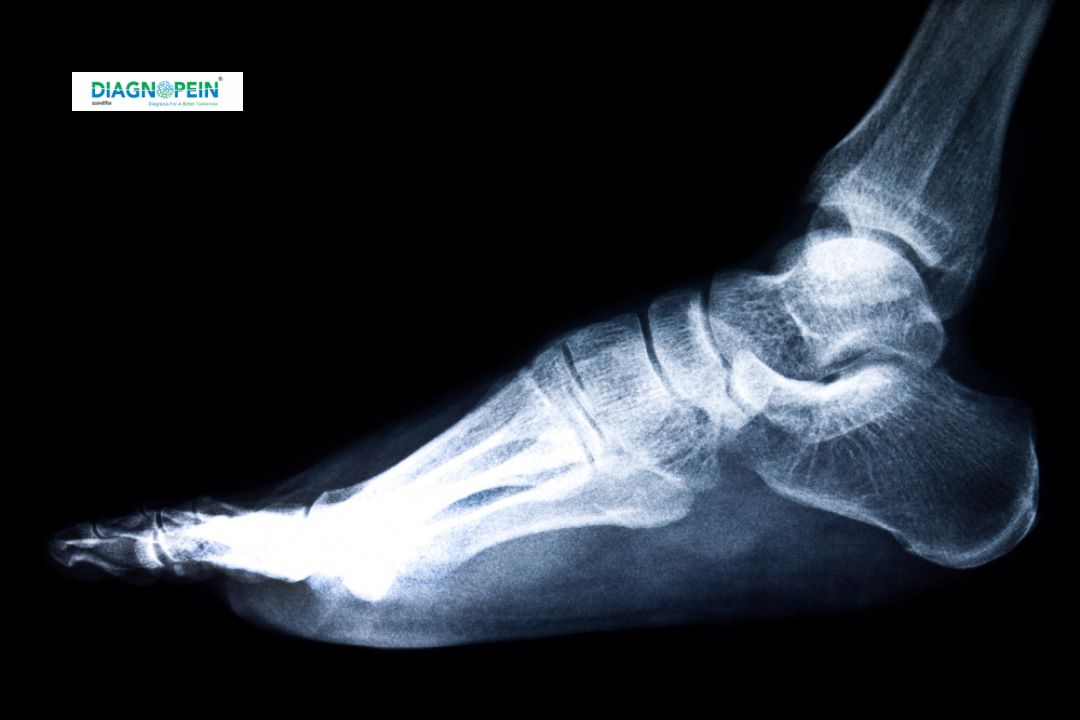
Why MRI Foot is Important
The foot is a complex structure consisting of 26 bones, 33 joints, and over 100 muscles, tendons, and ligaments. Injuries or conditions like plantar fasciitis, stress fractures, tendonitis, or ligament tears can be difficult to diagnose with conventional imaging. MRI Foot offers a non-invasive, radiation-free solution to identify the exact cause of foot pain or dysfunction. It is especially vital for athletes, elderly patients, or individuals with persistent foot problems who require accurate evaluation for effective treatment planning.
Benefits of MRI Foot
-
Detailed Imaging – Provides high-resolution images of bones, ligaments, tendons, and soft tissues.
-
Non-invasive and Safe – Uses magnetic fields instead of radiation, making it safe for patients of all ages.
-
Early Detection – Detects conditions like stress fractures, ligament tears, or infections before they worsen.
-
Improved Treatment Planning – Helps orthopedic surgeons and podiatrists design precise treatment strategies.
-
Quick and Comfortable – Most scans are completed within 30-45 minutes, offering a painless experience.
By choosing MRI Foot in Nanded, patients can ensure accurate diagnosis, faster recovery, and minimal risk of complications.
How MRI Foot Testing is Done
The MRI Foot procedure is straightforward and patient-friendly:
-
Preparation – Patients are advised to remove metallic items like watches, jewelry, or shoes. No special fasting is required.
-
Positioning – The patient lies down, and the foot is placed inside a specialized coil to capture detailed images.
-
Scanning – The MRI machine produces a strong magnetic field and radio waves to generate images of internal structures. The patient must remain still for clear imaging.
-
Contrast (if needed) – Sometimes, a contrast agent is used to highlight blood vessels or areas of inflammation for better diagnosis.
The results are analyzed by a radiologist and sent to the treating physician, ensuring a precise treatment plan.
MRI Foot Parameters
For a high-quality MRI Foot scan, certain parameters are optimized:
-
Magnetic Strength – Typically 1.5T or 3T for superior image clarity.
-
Slice Thickness – 2-3 mm to capture minute details of tendons and ligaments.
-
Sequences Used – T1, T2, STIR, and sometimes contrast-enhanced sequences to identify inflammation or vascular anomalies.
These parameters ensure that every MRI Foot scan in Nanded delivers accurate, detailed, and actionable results for healthcare providers.
Why Choose MRI Foot in Nanded
Choosing the right facility for MRI Foot in Nanded is crucial for accurate diagnosis and patient comfort. Leading centers in Nanded offer:
-
Advanced MRI machines with high magnetic strength for detailed imaging.
-
Experienced radiologists specializing in musculoskeletal imaging.
-
Comfortable, patient-friendly environment with quick scan times.
-
Affordable packages with transparent pricing and timely reporting.
Patients seeking reliable MRI Foot scans in Nanded can trust these centers for accurate results and personalized care.