Why MRI Enteroclysis is Important
MRI Enteroclysis plays a vital role in diagnosing complex gastrointestinal conditions. Small bowel diseases often present symptoms like abdominal pain, weight loss, diarrhea, and unexplained discomfort. Many routine tests fail to detect early bowel changes—here MRI Enteroclysis makes a significant difference.
Key Importance
-
Radiation-free test: Safe for long-term follow-up.
-
High-resolution bowel imaging: Detects inflammation, ulcers, narrowing, fistulas, tumors, and blockages.
-
Accurate diagnosis: Helps clinicians plan early treatment.
-
Functional assessment: Shows both structural and motility changes of the small intestines.
-
Better than routine scans: Offers superior bowel distention and detailed views compared to CT or ultrasound for specific indications.
This makes MRI Enteroclysis one of the most reliable investigations in modern gastroenterology practice, especially when evaluating chronic or recurrent conditions.
Benefits of MRI Enteroclysis
Patients and doctors prefer MRI Enteroclysis for its range of clinical advantages:
Major Benefits
-
No radiation exposure (safe for children and adults)
-
Clear visualisation of bowel walls and lumen
-
Identifies early-stage Crohn’s disease
-
Accurate monitoring of disease progression
-
Non-invasive & comfortable procedure
-
Detects complications like strictures, fistulas, or abscesses
-
Provides dynamic imaging during bowel movement
-
High diagnostic accuracy even in subtle abnormalities
With these benefits, patients searching for MRI Enteroclysis in Nanded can trust it as a reliable solution for small intestine evaluation.
How MRI Enteroclysis is Done (Step-by-Step Testing Process)
The procedure is simple, guided, and comfortable for the patient.
Step-by-Step Procedure
-
Preparation:
Patients may be advised fasting for 4–6 hours. Mild oral contrast preparation may be given as per protocol.
-
Tube Placement (if required):
A thin tube may be passed into the small intestine through the nose to deliver contrast material. Some centres also offer non-intubation techniques using oral contrast alone.
-
Contrast Administration:
A special bowel-distending contrast is infused for better imaging. This helps expand the intestines to capture detailed images.
-
MRI Scan:
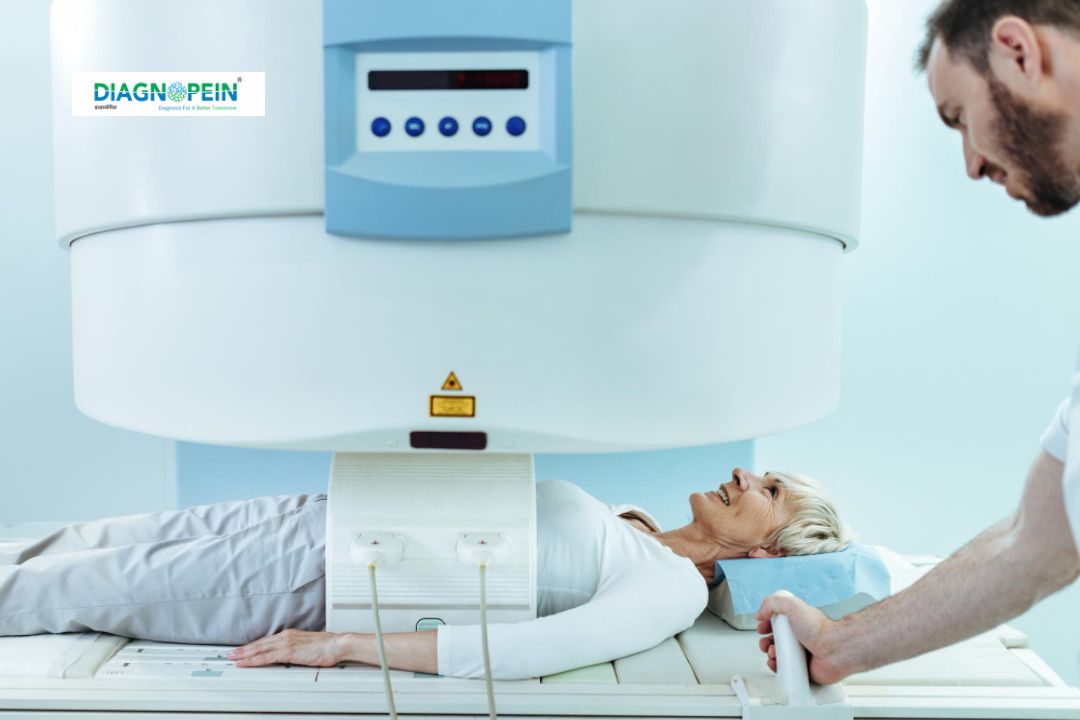
The patient lies on the MRI table, and multiple sequences are taken using magnetic resonance imaging. Breath-hold instructions may be given for clarity.
-
Dynamic Assessment:
Real-time motility sequences help evaluate how the bowel is functioning.
-
Completion:
Results are interpreted by radiologists, and a detailed report is generated.
This safe and effective procedure delivers highly accurate bowel images without any radiation exposure.
Parameters Measured in MRI Enteroclysis
Important Parameters
-
Small-bowel wall thickness
-
Degree of inflammation
-
Presence of ulcers or strictures
-
Bowel distention and motility
-
Detection of fistulas or abscesses
-
Lumen narrowing
-
Vascularity and enhancement patterns
-
Tumor or polyp identification
-
Bowel obstruction levels
-
Transit time and functional movement
These parameters ensure early detection, precise diagnosis, and proper clinical decision-making.
WHY CHOOSE MRI Enteroclysis (SEO Friendly Section)
Choosing MRI Enteroclysis is the right decision for accurate bowel assessment. It is safe, non-invasive, and radiation-free. Whether a patient has chronic abdominal symptoms or suspected small intestine disorders, this test offers unmatched diagnostic clarity. The technique provides early identification of inflammatory bowel diseases, tumors, and other structural changes—making it essential for good digestive health.
If you are searching for high-quality MRI Enteroclysis in Nanded, this test ensures detailed and reliable results, helping your doctor plan the right treatment faster.