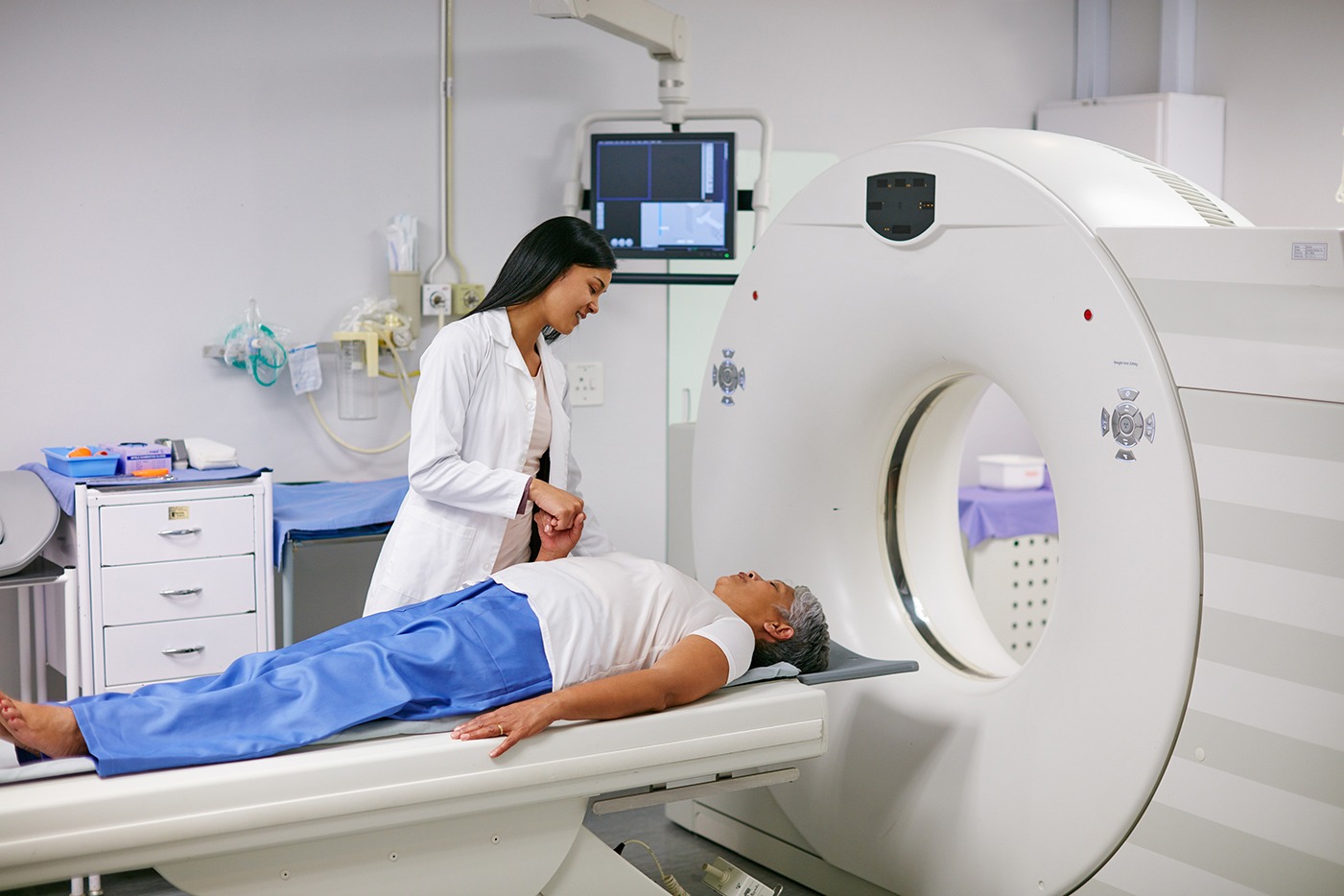
What is an MRI Shoulder Scan?
An MRI (Magnetic Resonance Imaging) shoulder scan is a non-invasive imaging test that uses magnetic fields and radio waves to create detailed images of:
-
Shoulder joint
-
Rotator cuff muscles
-
Ligaments
-
Tendons
-
Cartilage
-
Surrounding soft tissues
It helps doctors diagnose injuries and chronic shoulder conditions accurately.
Why is an MRI Shoulder Done?
Doctors recommend an MRI shoulder scan if you have
Visit Now: https://www.diagnopein.com
-
Persistent shoulder pain
-
Sports injury
-
Suspected rotator cuff tear
-
Frozen shoulder
-
Dislocation
-
Ligament damage
-
Limited range of motion
It is especially useful when X-rays do not provide clear results.
Types of MRI Shoulder Scans
1. MRI Shoulder Without Contrast
Used for detecting structural injuries and inflammation.
2. MRI Shoulder With Contrast
Contrast dye improves visibility of soft tissue tears and subtle abnormalities.
Your doctor will decide which type is required.
Factors Affecting MRI Shoulder Cost in Nagpur
Several factors influence the final price:
-
Type of MRI machine
-
Contrast usage
-
Diagnostic center reputation
-
Emergency appointment
-
Radiologist reporting charges
Booking online or comparing centers can help you find better pricing.
How to Prepare for an MRI Shoulder?
Preparation is simple:
-
Wear loose clothing
-
Remove metal objects
-
Inform staff about implants or pacemakers
-
Avoid eating if contrast is required (as advised)
The scan usually takes 20–40 minutes.
Benefits of MRI Shoulder Scan
-
Non-invasive and painless
-
No radiation exposure
-
Highly detailed imaging
-
Accurate diagnosis
-
Helps plan surgery or treatment
MRI Shoulder Procedure – What to Expect?
-
You lie on a sliding table.
-
The shoulder is positioned carefully.
-
The machine creates images using magnetic waves.
-
You must remain still during the scan.
Some patients may hear loud sounds, but ear protection is provided.
Who Should Avoid MRI?
MRI may not be suitable for:
-
Patients with metal implants
-
Certain pacemakers
-
Severe claustrophobia (unless open MRI is available)
Always inform your radiologist about medical history.