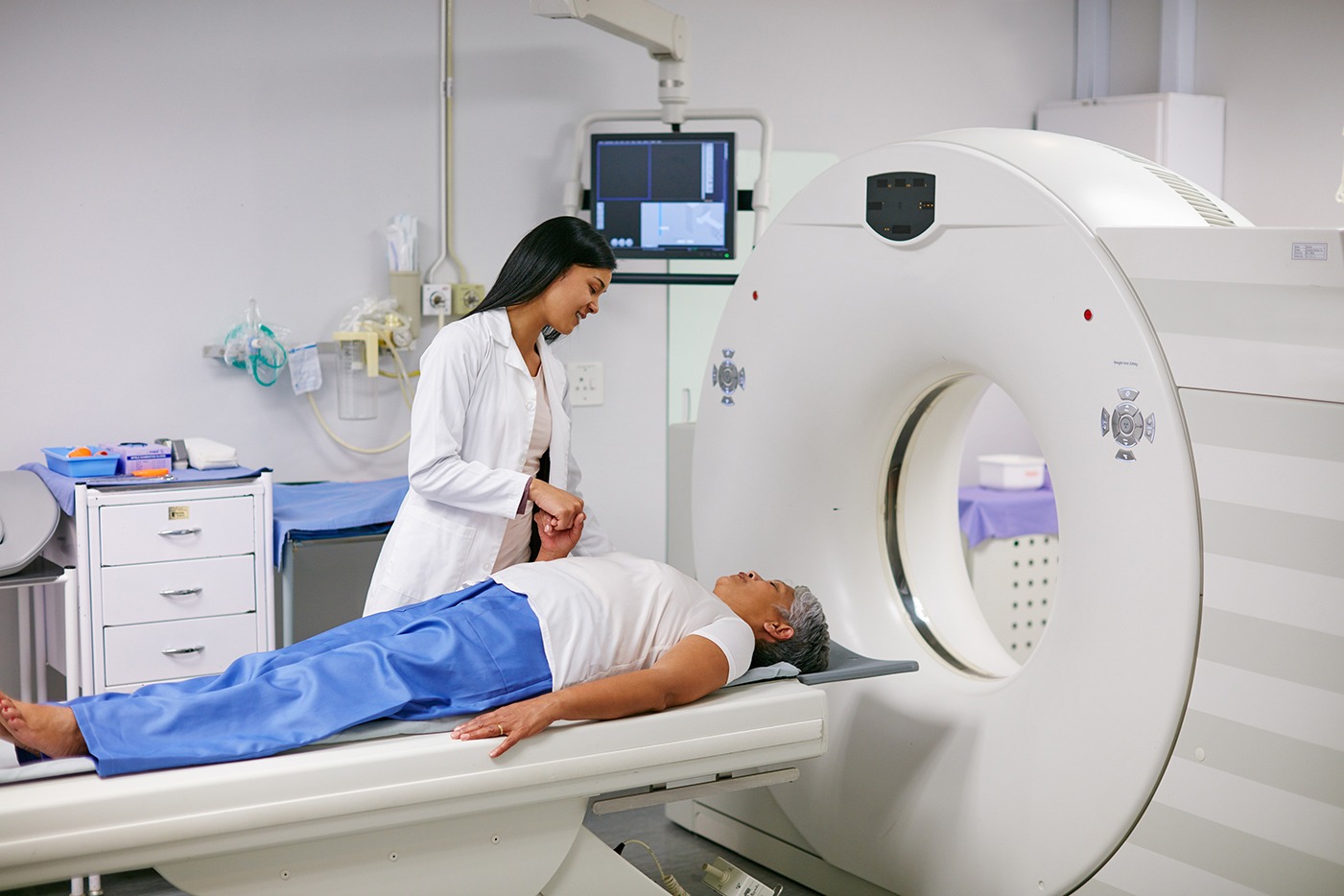
What is an MRI Chest Scan with Contrast?
An MRI Chest Scan with contrast is an advanced imaging test used to examine the organs and tissues inside your chest.
It uses:
-
Magnetic fields
-
Radio waves
-
A contrast dye (usually gadolinium)
The contrast dye helps doctors see abnormalities more clearly than a regular MRI.
Why is Contrast Used in Chest MRI?
Contrast improves the visibility of:
-
Tumors and cancerous growths
-
Infections
-
Inflammation
-
Blood vessel abnormalities
-
Lymph nodes
It helps differentiate between normal and abnormal tissues.
When is an MRI Chest with Contrast Recommended?
Doctors may suggest this scan if you have:
-
Persistent chest pain
-
Suspicious lung nodules
-
Suspected tumors
-
Unexplained breathing issues
-
Abnormal findings on X-ray or CT scan
It is also used for cancer staging and treatment monitoring.
MRI Chest Scan Procedure
Before the Scan
-
Inform the doctor about kidney problems
-
Remove metal objects
-
Avoid eating if instructed
-
Inform about pregnancy
During the Scan
-
You will lie on a sliding table
-
Contrast dye will be injected into a vein
-
The machine takes detailed images
-
The scan usually takes 30–60 minutes
After the Scan
-
You can resume normal activities
-
Drink plenty of water
-
Mild side effects are rare
Preparation Guidelines
To ensure accurate results:
-
Carry previous medical reports
-
Inform about allergies
-
Avoid wearing jewelry
-
Reach the center 15–20 minutes early
MRI Chest Scan Cost in Nagpur
The cost of an MRI chest scan with contrast in Nagpur typically ranges between:
The price may vary depending on:
-
Diagnostic center
-
Machine technology
-
Radiologist expertise
-
Additional reporting charges
Risks and Safety Information
MRI is generally safe.
However:
-
Contrast dye may not be suitable for severe kidney patients
-
Claustrophobic patients should inform the technician
-
Metallic implants must be disclosed
Always consult your doctor before booking the test.
Benefits of MRI Chest with Contrast
-
High-resolution imaging
-
No radiation exposure
-
Better soft tissue visualization
-
Accurate diagnosis support
Conclusion
An MRI chest scan with contrast in Nagpur is a highly reliable diagnostic tool. It provides detailed imaging that helps doctors detect and monitor serious chest conditions.
If you are experiencing persistent symptoms or your doctor has recommended advanced imaging, consider scheduling your scan at a trusted diagnostic center.