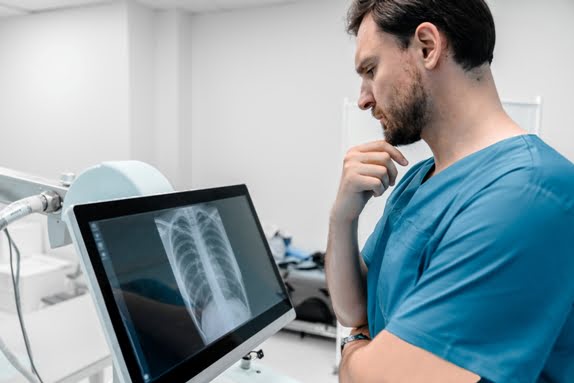
What is an IVP X-Ray?
An IVP (Intravenous Pyelography) is a diagnostic imaging procedure that uses contrast dye and X-ray imaging to evaluate the urinary tract.
The contrast dye is injected into a vein. As it moves through the kidneys and urinary tract, X-ray images are taken at timed intervals to track the flow of urine.
This helps doctors identify abnormalities clearly.
Why is an IVP Test Done?
Doctors recommend IVP to diagnose several urinary tract conditions.
Visit Now: https://www.diagnopein.com/digital-x-ray/Mumbai
Kidney Stones
IVP helps detect kidney stones and determine their size and exact location.
Urinary Tract Blockage
It identifies obstructions in the ureters that may restrict urine flow.
Tumors or Growths
The test can reveal abnormal masses in the kidneys or bladder.
Structural Abnormalities
IVP helps diagnose congenital abnormalities in the urinary system.
Symptoms That May Require an IVP
Your doctor may suggest an IVP test if you experience:
-
Blood in urine (hematuria)
-
Severe lower back or flank pain
-
Recurrent urinary infections
-
Difficulty urinating
-
Unexplained abdominal pain
Early diagnosis helps prevent complications.
How is the IVP Procedure Performed?
The IVP procedure is simple and usually completed within 30–60 minutes.
Before the Test
You may be asked to:
-
Avoid eating for a few hours
-
Inform your doctor about allergies
-
Remove metal objects
A laxative may be prescribed in some cases.
During the Test
-
A contrast dye is injected into a vein
-
X-rays are taken at intervals
-
You may feel a mild warm sensation
The process is painless and monitored by a radiologist.
After the Test
You can resume normal activities immediately.
Drinking extra fluids helps flush out the contrast dye from your body.
Is IVP Safe?
IVP is generally safe when performed under medical supervision.
However, inform your doctor if you:
-
Have kidney disease
-
Are pregnant
-
Have contrast dye allergies
-
Have diabetes
In some cases, alternative imaging tests may be recommended.
Preparation for IVP X-Ray
Proper preparation ensures accurate results.
Follow these instructions:
-
Do not eat for 6–8 hours before the test
-
Inform the lab about medications
-
Stay hydrated unless advised otherwise
-
Arrive 15 minutes early
Always follow the diagnostic center’s guidelines.
IVP Test Cost in Mumbai
The cost of an IVP X-ray in Mumbai may vary depending on:
-
Diagnostic center
-
Location
-
Technology used
-
Radiologist expertise
Comparing prices online can help you find affordable options without compromising quality.
Book IVP X-Ray in Mumbai
Booking an IVP test in Mumbai is simple and convenient.
Choose a trusted diagnostic center with:
-
Experienced radiologists
-
Advanced imaging equipment
-
Transparent pricing
-
Same-day reports (where available)
Early diagnosis leads to better treatment outcomes.