Why Is an MRI Lumbosacral Spine Done?
Doctors commonly recommend this scan to evaluate:
Visit Now: https://www.diagnopein.com
-
Persistent lower back pain
-
Sciatica (pain radiating down the leg)
-
Slipped or herniated disc
-
Numbness or weakness in legs
-
Spinal injuries
-
Suspected tumors or infections
-
Degenerative disc disease
-
Spinal stenosis
An MRI provides highly detailed images of soft tissues, including discs, nerves, ligaments, and the spinal cord.
What Conditions Can It Detect?
An MRI lumbar and sacral spine can identify:
1. Herniated (Slipped) Disc
When the soft inner part of a spinal disc pushes out and presses on nearby nerves.
2. Spinal Stenosis
Narrowing of the spinal canal that can cause nerve compression.
3. Degenerative Disc Disease
Age-related wear and tear of spinal discs.
4. Nerve Root Compression
Often responsible for radiating leg pain (sciatica).
5. Infections or Tumors
MRI is highly sensitive in detecting abnormal growths or infections.
How to Prepare for the Scan
Preparation is simple:
-
Wear loose, metal-free clothing.
-
Remove jewelry, watches, hairpins, and metal accessories.
-
Inform your doctor if you have:
-
Pacemaker
-
Metal implants
-
Artificial joints
-
Pregnancy
-
Claustrophobia
You may be asked to avoid eating for a few hours if contrast dye is used.
What Happens During the Procedure?
-
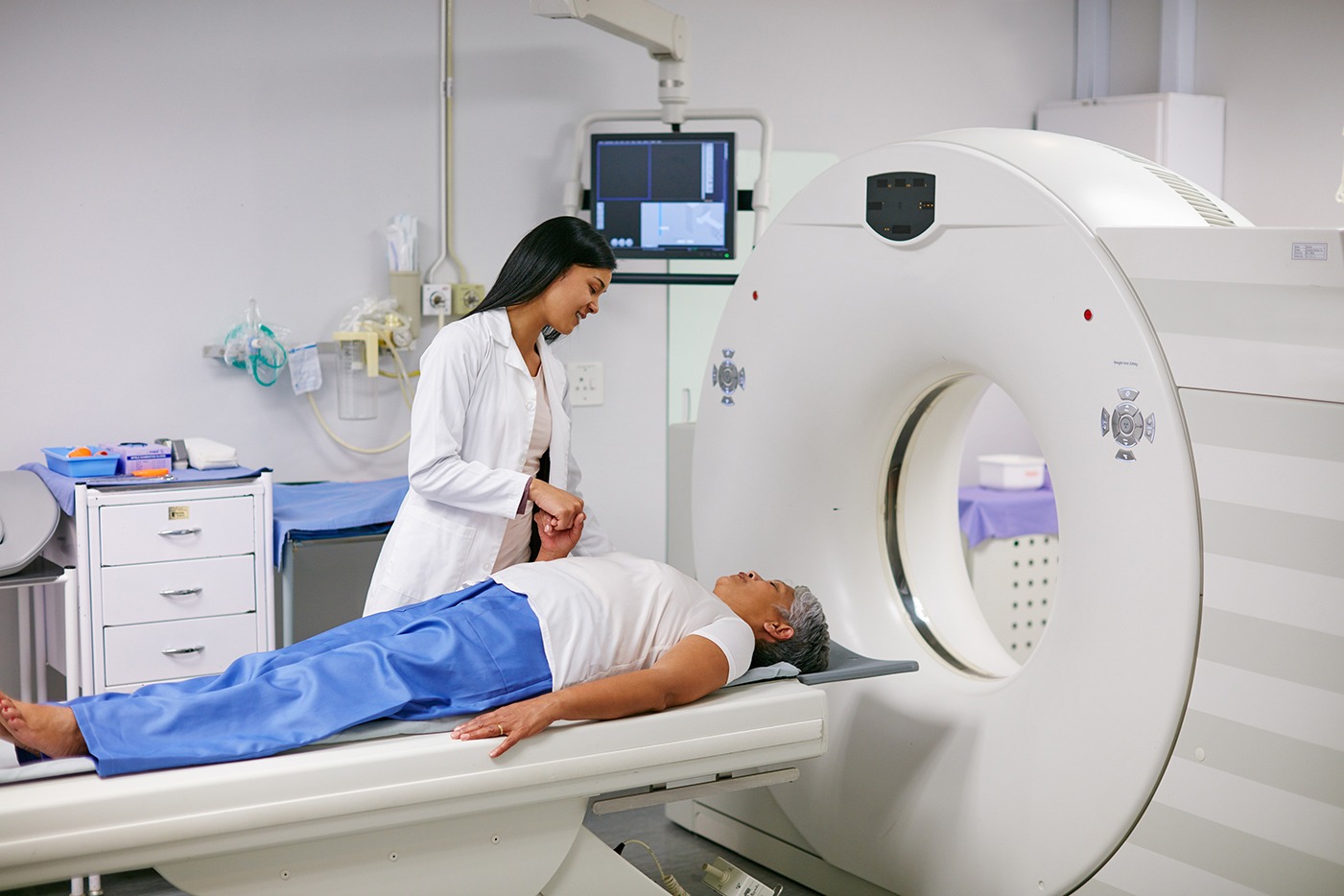
You lie flat on a sliding table.
-
The table moves into the MRI machine (a large tube-shaped scanner).
-
The scan takes about 20–40 minutes.
-
You must remain still.
-
The machine makes loud tapping sounds (ear protection is provided).
The procedure is painless, though some people may feel slightly uncomfortable due to lying still.
Is It Safe?
Yes. MRI does not use radiation, unlike X-rays or CT scans. It is considered very safe for most patients.
However, it may not be suitable for people with certain metal implants or electronic devices.
Cost of MRI Lumbar and Sacral Spine
The cost varies depending on:
-
City and diagnostic center
-
Use of contrast
-
Technology quality
In India, the cost typically ranges between ?4,000 – ?10,000.
When Should You See a Doctor Immediately?
Seek urgent medical attention if you experience:
-
Loss of bladder or bowel control
-
Severe leg weakness
-
Sudden numbness in both legs
-
Severe trauma to the back
These could indicate a serious spinal condition.
Final Thoughts
An MRI of the lumbar and sacral spine is a powerful diagnostic tool for understanding lower back pain and related symptoms. Early diagnosis can prevent complications and guide effective treatment.
If you’re experiencing persistent lower back discomfort, consult your doctor to determine whether this scan is right for you.