What Is an MRI Foot Scan
An MRI (Magnetic Resonance Imaging) foot scan uses strong magnetic fields and radio waves to create detailed images of
Visit Now: https://www.diagnopein.com/mri/Ahmednagar
-
Bones
-
Ligaments
-
Tendons
-
Muscles
-
Soft tissues
Unlike X-rays, MRI scans detect minor tears, inflammation, and hidden injuries.
MRI Foot Scan Cost in Ahmednagar
The MRI Foot Scan Price in Ahmednagar usually ranges between:
The final cost depends on:
-
Diagnostic centre location
-
With contrast or without contrast
-
Radiologist expertise
Tip: Booking online often gives discounts of 10–30%.
When Do You Need an MRI Foot Scan?
Doctors recommend this scan if you experience:
-
Persistent foot pain
-
Sports injuries
-
Swelling or redness
-
Difficulty walking
-
Suspected ligament tear
-
Heel or ankle instability
Early diagnosis prevents complications and speeds up recovery.
How Is the Procedure Done?
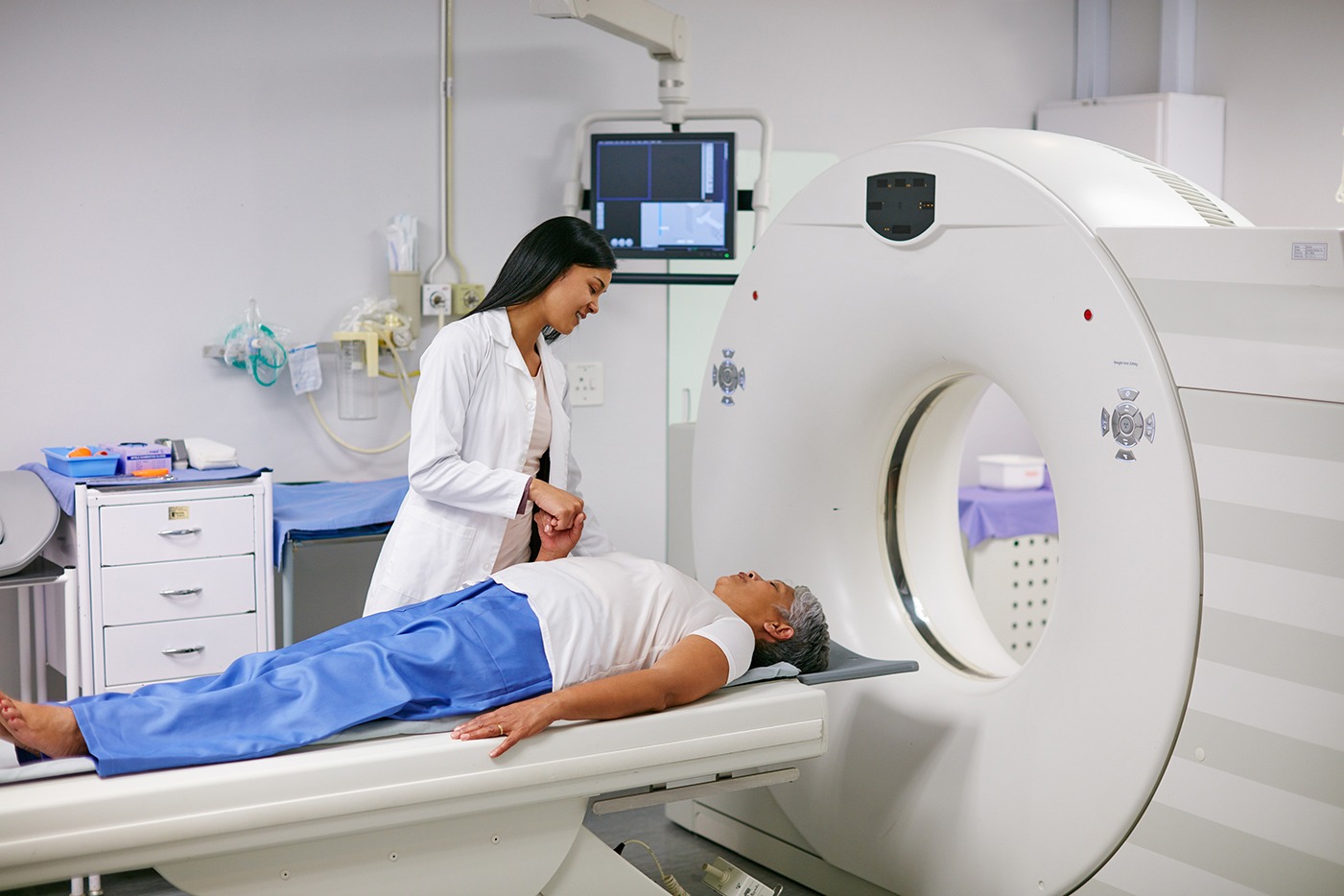
The MRI foot scan procedure is simple and painless.
-
You lie on the MRI table.
-
Your foot is positioned inside the scanner.
-
The machine captures detailed images.
-
The process takes 20–40 minutes.
You may hear loud noises during the scan, but ear protection is provided.
Is MRI Foot Scan Safe?
Yes. MRI scans:
-
Do not use radiation
-
Are non-invasive
-
Are safe for most patients
However, inform your doctor if you have:
-
Metal implants
-
Pacemakers
-
Claustrophobia
-
Pregnancy
How to Prepare for MRI Foot Scan?
Preparation is minimal:
-
Wear comfortable clothing
-
Remove metal objects
-
Inform about medical history
-
Fasting is required only if contrast is used
Always follow your doctor's instructions.
Why Early MRI Diagnosis Matters
Delaying diagnosis can worsen:
-
Ligament injuries
-
Tendon tears
-
Stress fractures
-
Infections
An MRI ensures precise treatment planning and faster recovery.
Final Thoughts
The MRI Foot Scan Price in Ahmednagar is affordable and varies based on the diagnostic centre and machine type. If you are experiencing persistent foot pain, consult your doctor and schedule the scan at a trusted diagnostic centre.
Early diagnosis leads to better treatment outcomes and faster recovery.