






Numbers of MRI

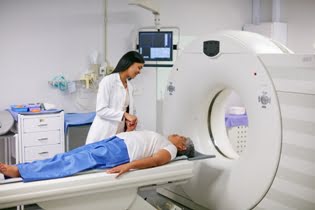
During an MRI scan, patients are typically placed inside a cylindrical machine and exposed to a combination of radio frequency pulses and electromagnetic fields. These signals create an overall picture of the body’s internal structures, which can be interpreted by specialized software or medical professionals. Though the scan itself is relatively simple, there are certain steps that must be taken before and after the procedure in order to ensure patient safety. For example, subjects must remove all metallic objects such as watches or jewelry before entering the MRI machine..


Numbers of MRI

Numbers of CT Scan

Numbers of Sonography

Numbers of Digital X-Ray

Both MRIs and CT scans can view internal body structures. However, a CT scan is faster and can provide pictures of tissues, organs, and skeletal structure. An MRI is highly adept at capturing images that help doctors determine if there are abnormal tissues within the body. MRIs are more detailed in their images.
Risks of the Procedure Because radiation is not used, there is no risk of exposure to radiation during an MRI procedure. However, due to the use of the strong magnet, MRI cannot be performed on patients with: Implanted pacemakers. Intracranial aneurysm clips.