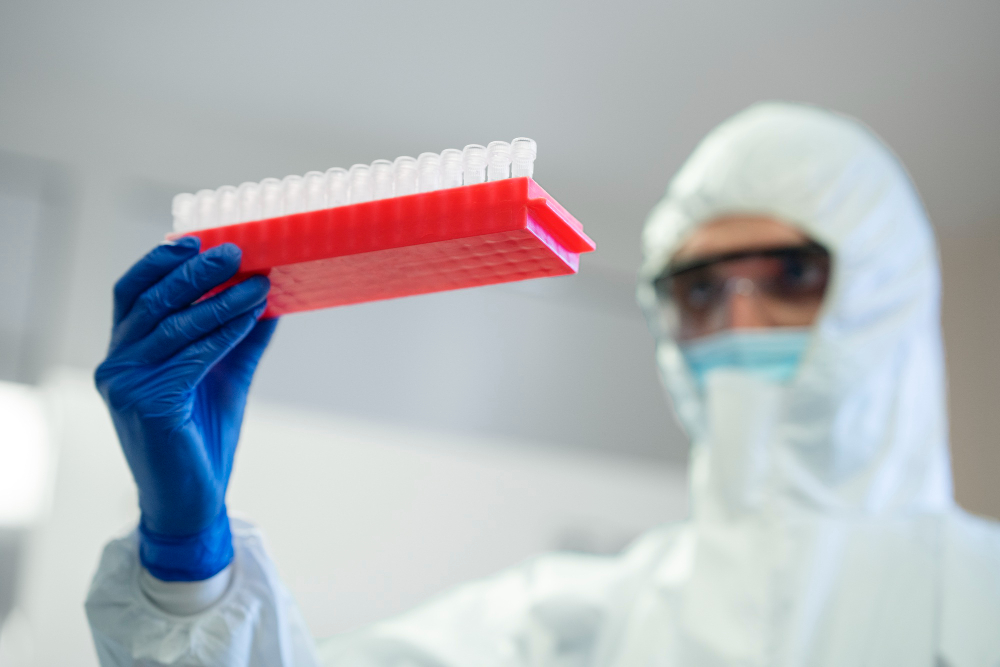
The Chikungunya RNA PCR Qualitative Test detects the viral RNA of the Chikungunya virus during the early phase of infection, providing accurate and fast confirmation for effective treatment.

The Chikungunya RNA PCR Qualitative Test is a molecular diagnostic tool used to detect the presence of Chikungunya virus RNA in the blood. It identifies infection in the early stages, often before antibodies develop, making it far more effective than conventional tests. This test uses advanced PCR technology to deliver rapid, accurate, and reliable results, helping doctors differentiate Chikungunya from similar viral infections like dengue or Zika.
What Is the Chikungunya RNA PCR Test?
The Chikungunya RNA PCR qualitative test detects the presence of the viral RNA (genetic material) of the Chikungunya virus in a blood sample. Unlike antibody-based tests, which show results only after the immune system has responded, PCR can identify the virus during the acute stage, even before antibodies are formed.
How the Test Works
The test uses a technique called Polymerase Chain Reaction (PCR) to amplify small amounts of viral RNA. If Chikungunya RNA is present, the test result is reported as “Detected” (Positive). If no viral genetic material is found, it is reported as “Not Detected” (Negative).
This qualitative approach means the test gives a clear yes-or-no answer, helping clinicians start treatment promptly and differentiate Chikungunya from other febrile illnesses.
When Is the Test Recommended?
Doctors typically recommend the Chikungunya RNA PCR test when a patient shows symptoms such as:
Sudden high fever
Intense joint or muscle pain
Headache
Fatigue or rash
Recent travel or exposure to mosquito-prevalent areas
The test is most effective when performed within the first 7 days of symptom onset when the viral load in the blood is highest.
Sample Requirement
A 2–3 mL blood sample is usually collected in an EDTA tube. No special fasting or preparation is required before the test.
Advantages of the Chikungunya RNA PCR Test
Early detection: Identifies infection before antibodies appear.
High accuracy: Detects specific Chikungunya virus RNA, reducing false results.
Quick turnaround: Results typically available within 24–48 hours.
Guides patient care: Helps clinicians confirm diagnosis and avoid unnecessary treatments for other diseases.
Why Early Diagnosis Matters
Early detection through the Chikungunya RNA PCR test ensures timely management of symptoms and reduces the risk of chronic joint complications. Rapid identification also aids in public health surveillance, helping prevent outbreaks by identifying cases early.
Early and precise detection of Chikungunya virus before antibodies form
High accuracy using advanced molecular PCR technology
Quick results with same-day or next-day turnaround
Supports clinical decisions by confirming infection during the acute stage
Trusted testing labs following strict quality and safety standards
1. Type of Specimen
2. CHIKUNGUNYA RNA Qualitative
3. Indirect coombs Test
4. Space

Yes, PCR is one of the most sensitive and accurate methods for detecting the Chikungunya virus, especially during the acute phase of infection.
The test may produce a false negative if performed too late in the infection, after the viral load decreases. It is also more expensive and requires specialized equipment.
A blood sample is collected (typically through venipuncture), and the RNA is extracted, amplified, and analyzed for the presence of the Chikungunya virus.
No, the PCR test is used to detect active or recent infections, not past infections. For past infections, antibody tests (IgM/IgG) are used.