The Chikungunya Antibodies Test detects IgM and IgG antibodies to confirm recent or prior infection with the Chikungunya virus, helping doctors diagnose and manage the disease effectively.


The Chikungunya Antibodies Test detects specific antibodies (IgM and IgG) produced by the immune system in response to Chikungunya virus infection. It plays a crucial role in diagnosing recent or past infections by identifying IgM antibodies that appear early and IgG antibodies that develop later and persist long-term. This test assists healthcare providers in distinguishing chikungunya from similar mosquito-borne illnesses like dengue or Zika and guides appropriate treatment and monitoring.
What Is the Chikungunya Antibodies Test?
The Chikungunya Antibodies Test is a simple blood test designed to detect specific antibodies produced by your immune system in response to the Chikungunya virus. These antibodies are:
IgM antibodies — appear within a week after infection and indicate recent or ongoing infection.
IgG antibodies — develop later, usually after 2 weeks, and suggest past infection or immunity.
The presence of these antibodies helps doctors establish whether you are currently infected, recently recovered, or have previous exposure to the virus.
Why is this test important?
This test is vital especially during outbreaks or if you've traveled to mosquito-prone areas. It helps:
Confirm active or past infection
Differentiate between chikungunya and similar illnesses like dengue or Zika
Assess immune response after infection or vaccination
Guide treatment and prevent complications such as chronic joint pain
How Is the Test Performed?
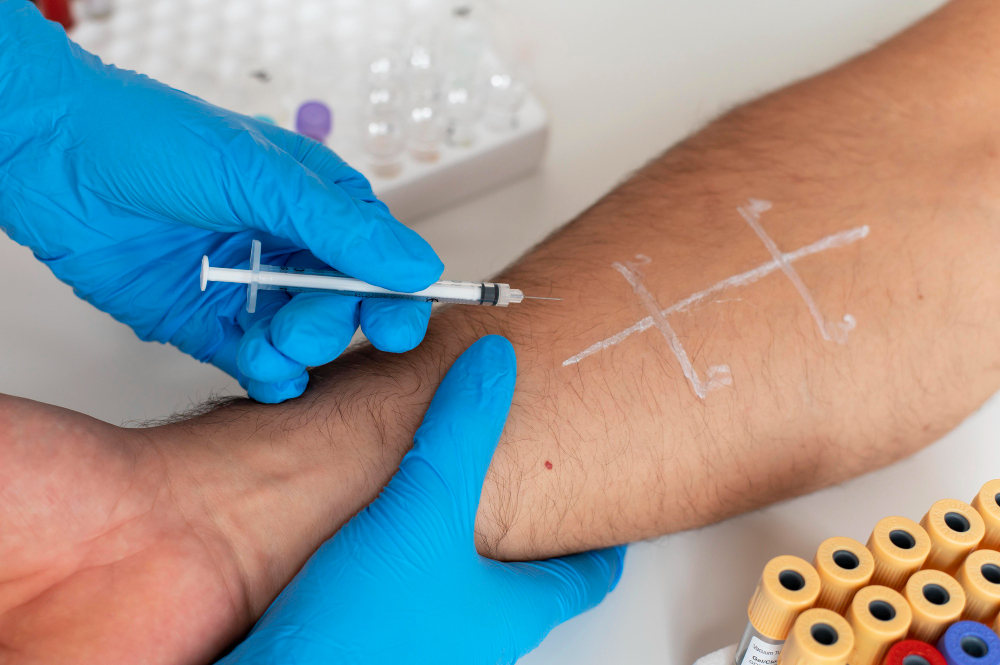
A healthcare professional will draw a small blood sample from your arm, which is then analyzed in the lab. The process involves sophisticated techniques like ELISA (Enzyme-Linked Immunosorbent Assay) to detect the presence of IgG and IgM antibodies in your serum.
Interpreting the Results
Understanding the test results is key for proper diagnosis:
IgM Positive / IgG Negative: You have a recent or current infection
IgM Positive / IgG Positive: You are likely experiencing an ongoing infection with an immune response developing
IgM Negative / IgG Positive: You had the infection in the past and may now be immune
Both Negative: No evidence of current or past infection, or testing was done too early
In some cases, repeat testing after 1-2 weeks is recommended to confirm the infection stage.
When Should You Get Tested?
Consult your doctor if you experience:
Sudden high fever with joint pain, rash, or fatigue
Symptoms in someone who has recently traveled to affected areas
Persistent joint discomfort weeks after recovery
Early diagnosis enables better management and prevents the spread, especially in outbreak scenarios.
Benefits of the Chikungunya Antibodies Test
Quick and highly accurate
Differentiates between recent and past infections
Essential for patients with unexplained fever and joint pain
Supports epidemiological studies for better understanding spread
Helps in evaluating immunity in future outbreaks
In Summary
The Chikungunya Antibodies Test is an essential tool for diagnosing, understanding, and managing chikungunya infections. By detecting specific IgG and IgM antibodies, it provides insights into whether the infection is active, recent, or long gone, guiding healthcare providers in offering the best treatment options.
Accurate differentiation between recent (IgM) and past (IgG) infections
Rapid and reliable results using advanced ELISA or immunoassay techniques
Essential for anyone with fever, joint pain, and rash in mosquito-prevalent areas
Helps rule out other viral infections for better treatment decisions
Supports early diagnosis to prevent complications and disease spread
Conducted by trained laboratory professionals ensuring quality and precision

A blood sample is collected, either via a venipuncture (blood drawn from a vein) or a fingerstick, depending on the test method.
Yes, false negatives may occur if tested too early, and cross-reactivity with other viruses like Dengue or Zika can lead to false positives.
The test is reliable for identifying past or recent infections, but it may need confirmation with other tests in case of cross-reactivity or ambiguous results.
IgM antibodies typically appear within a few days to weeks after infection, while IgG antibodies may take a few weeks to develop and can persist for months or years.