Diagnopein Diagnostic Centre offers specialized C/S Pleural Fluid testing to detect and analyze infections in the pleural space. Our advanced lab and experienced team provide quick, accurate result

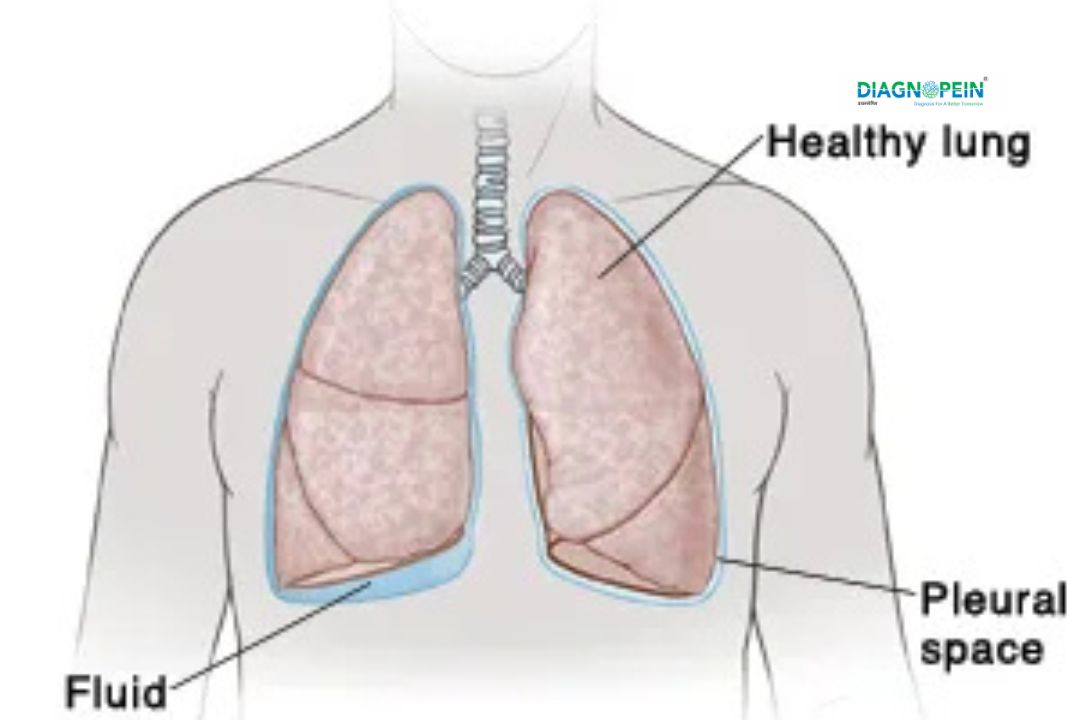
The C/S Pleural Fluid Test (Culture and Sensitivity) is a vital diagnostic tool to identify infections and pathogens in the pleural fluid surrounding the lungs. This test helps detect bacteria, fungi, or other microorganisms causing pleural effusions and guides doctors in selecting the most effective antibiotic treatment. At Diagnopein Diagnostic Centre, karad, we provide precise and timely C/S Pleural Fluid testing through advanced laboratory technology and expert medical professionals to support better respiratory health outcomes.
Why Your Doctor Might Recommend a C/S Pleural Fluid Test
Your doctor may advise a C/S Pleural Fluid Test if you experience symptoms such as:
Persistent chest pain or heaviness
Breathlessness or difficulty breathing
Unexplained fever or cough
Signs of infection that don’t respond to general treatment
By analyzing the pleural fluid, this test provides vital clues about whether an infection or another condition (like tuberculosis, pneumonia, or malignancy) is causing your symptoms.
How the Test Is Done at Diagnopein
At Diagnopein, patient comfort and safety come first. The pleural fluid is usually collected through a procedure called thoracentesis, performed by a trained medical professional under sterile conditions. The collected sample is then sent to our advanced pathology lab for culture testing.
The culture phase helps identify the specific organism responsible for infection.
The sensitivity phase determines which antibiotics can effectively destroy that organism.
This two-step approach allows your doctor to tailor the most accurate and effective treatment plan for you.
Take Charge of Your Respiratory Health
At Diagnopein Diagnostic Centre, karad, we believe early detection makes all the difference in effective treatment. If you or your loved one are facing persistent respiratory issues or symptoms of infection, consult your doctor about a C/S Pleural Fluid Test.
To book an appointment or learn more about our diagnostic services, visit www.diagnopein.com or call us to schedule your test today.
Your health deserves accurate answers — and at Diagnopein, we’re here to deliver them.
Expertise: Skilled microbiologists and pathologists ensure accurate identification of pathogens and antibiotic sensitivity.
Advanced Technology: State-of-the-art laboratory equipment guarantees fast, reliable results with high precision.
Patient Convenience: Options like home sample collection and online report access make testing hassle-free.
Comprehensive Care: Integrated services including imaging and specialized diagnostics support thorough diagnosis and treatment planning.
Affordable & Transparent Pricing: We provide top-quality diagnostics at competitive prices with clear cost communication.
1. Culture Method
2. Sample
3. Colony Count
4. Organism(s) Isolated
5. Culture Report: Culture yields growth of
6. Culture isolated after 7 days :
7. Culture isolated after 14 days:
8. Culture isolated after 21 days:
9. Ampicillin
10. Amikacin
11. Amoxicillin clavulanate
12. cefoperazon+sulbactam
13. Cefuroxime
14. Cefepime
15. Cefotaxime
16. Ciprofloxacin
17. Ertapenem
18. Gentamicin
19. Imipenem
20. Meropenem
21. Norfloxacin
22. Nitrofurantoin
23. Piperacillin-tazobactam
24. Trimethoprim-Sulfamethoxazole (Cotrimoxazole)

While generally safe, thoracentesis carries minor risks, including infection, bleeding, or puncturing the lung, though these are rare.
A sample is collected through a procedure called thoracentesis, where a needle is inserted into the pleural space to remove fluid for testing.
Turnaround time varies, but results are typically available within a few days. Sensitivity testing may take longer.
It is done when a patient shows signs of pleural effusion, pleuritis, or empyema, to diagnose infections or other underlying conditions in the pleura and guide appropriate treatment.