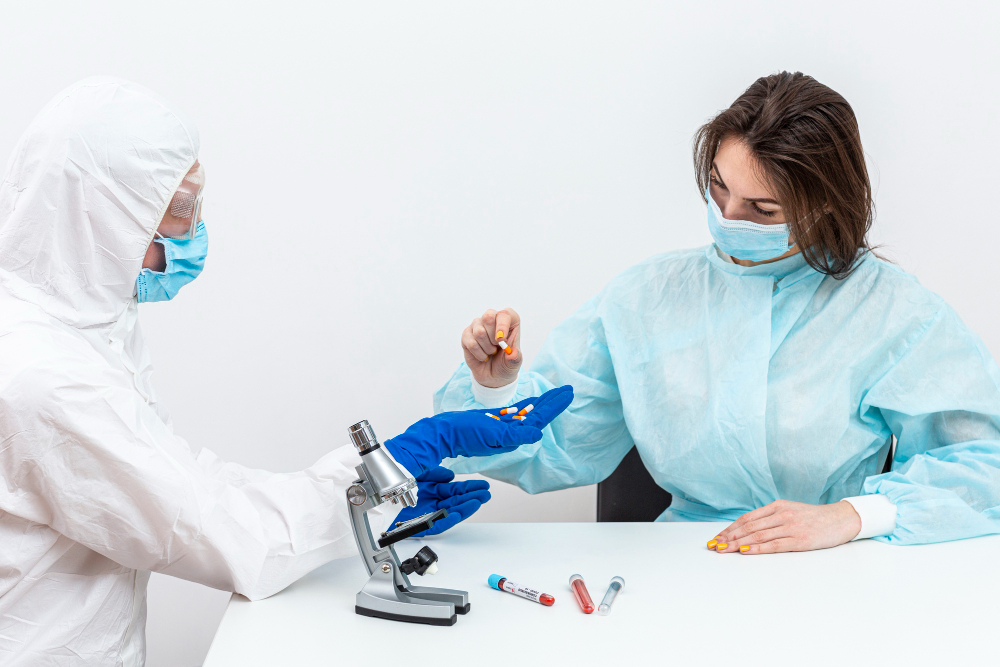
Discover essential information about the C/S drain tip used after cesarean sections, including care instructions and signs of complications. Trust Diagnopein Diagnostic Centre to support your safe

The C/S drain tip is a vital surgical device used after cesarean sections to prevent fluid accumulation and promote healing. Proper care of the drain tip minimizes infection risk and aids faster recovery. This guide from Diagnopein Diagnostic Centre explains what the C/S drain tip is, why it’s used, how to care for it, and when to seek medical help.
What is a C/S Drain Tip?
A C/S drain tip is a small tube-like extension used to help remove fluid, blood, or pus that can accumulate after surgery. Following a cesarean section or other abdominal procedures, your surgeon may insert a drain to prevent fluid build-up around the surgical site. This helps:
Reduce swelling
Prevent infection
Promote faster healing
The “tip” refers to the soft end placed inside the body, usually connected to an external collection bag.
Why It’s Important
Post-surgical drains are an essential part of recovery for certain patients. By removing excess fluid, they:
Lower the risk of wound complications
Keep the surgical site cleaner
Aid accurate healing monitoring for your doctor
Without a drain, fluid accumulation could cause discomfort, delay recovery, or even require a secondary procedure.
Caring for Your C/S Drain Tip
Proper care is key to preventing infection and ensuring the drain works effectively. Some important steps include:
Keep the area clean and dry as instructed by your healthcare provider.
Empty the collection bag regularly and note the amount and type of fluid.
Avoid tugging or pulling the tube, especially when moving or changing clothes.
Follow all dressing-change instructions, using sterile supplies when possible.
At Diagnopein Diagnostic Centre in karad, our nursing team is trained to guide patients step-by-step on drain care, whether you are still admitted or recovering at home.
When to Seek Medical Help
While a C/S drain tip is meant to support healing, you should consult your doctor immediately if you notice:
Sudden increase in fluid or change in color/smell
Persistent pain or swelling around the insertion site
Redness or warmth that could signal infection
Accidental dislodging of the drain
Our pathology and imaging services can quickly assess your condition and provide timely treatment to prevent further complications.
Support at Diagnopein
We know surgery recovery can be challenging, and the presence of a drain might be overwhelming at first. That’s why at Diagnopein Diagnostic Centre in karad, we offer:
Post-surgical wound and drain assessment
Home visit options for sample collection and dressing changes
Access to radiology scans and laboratory tests for ongoing monitoring
Expert healthcare professionals trained in post-surgical care.
State-of-the-art diagnostic and pathology services for monitoring recovery.
Convenient lab and imaging facilities in karad with patient-centric service.
Home sample collection and follow-up support for drain care.
Transparent, affordable pricing with focus on patient safety and comfort.
1. Culture Method
2. Sample
3. Colony Count
4. Organism(s) Isolated
5. Culture Report: Culture yields growth of
6. Culture isolated after 7 days :
7. Culture isolated after 14 days:
8. Culture isolated after 21 days:
9. Ampicillin
10. Amikacin
11. Amoxicillin clavulanate
12. cefoperazon+sulbactam
13. Cefuroxime
14. Cefepime
15. Cefotaxime
16. Ciprofloxacin
17. Ertapenem
18. Gentamicin
19. Imipenem
20. Meropenem
21. Norfloxacin
22. Nitrofurantoin
23. Piperacillin-tazobactam
24. Trimethoprim-Sulfamethoxazole (Cotrimoxazole)

It can detect bacterial, fungal, or parasitic infections that may develop at the surgical drain site, such as surgical site infections, abscesses, or chronic drain infections.
It is performed to identify and treat infections in surgical drains, ensuring appropriate antibiotic or antifungal therapy is administered to prevent complications like abscesses, delayed healing, or sepsis
The test involves a simple swab of the drain tip, which is minimally invasive and generally not painful for the patient.
A sample is collected from the tip of the surgical drain using a sterile swab, which is then cultured in a laboratory to identify pathogens and perform sensitivity testing for appropriate treatment.





