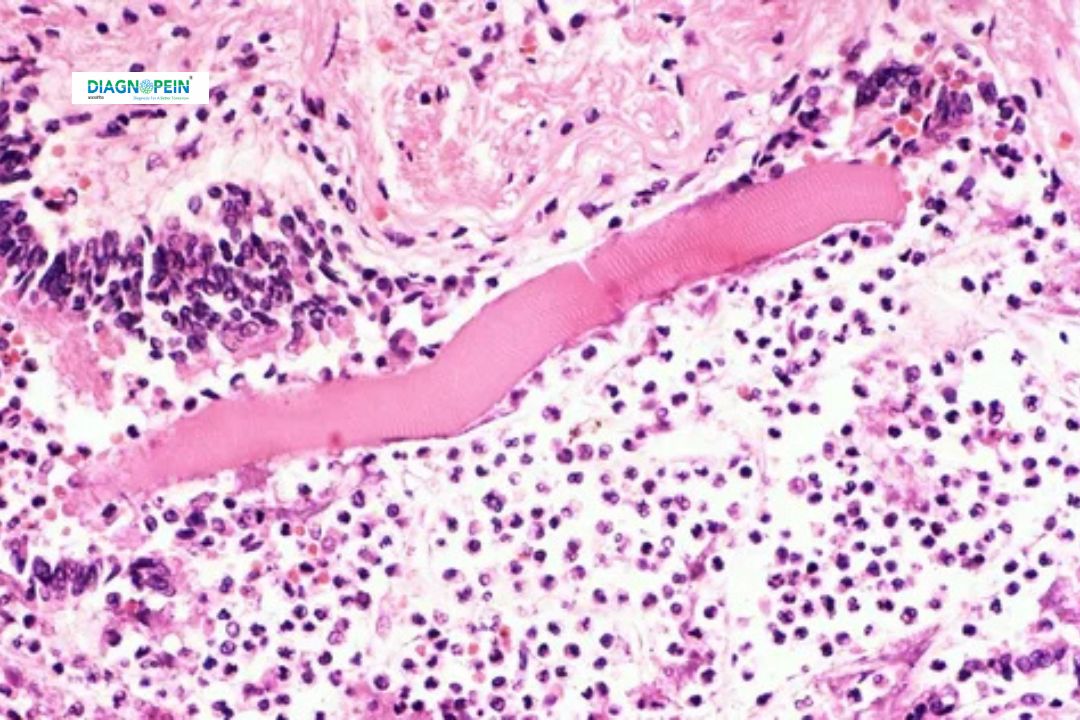
The C/S Aspirated Fluid Test analyzes fluid collected from infected body sites to identify microorganisms and determine the best treatment through culture and sensitivity

The C/S Aspirated Fluid Test is a diagnostic procedure used to detect and identify microorganisms—such as bacteria or fungi—in fluid aspirated from an infected site in the body. It helps determine the most effective antibiotics or antifungal treatments (Culture & Sensitivity), ensuring quick and targeted medical intervention.
Why Is This Test Done?
The C/S Aspirated Fluid Test is ordered when there are symptoms suggesting infection or pus formation in a particular area. The test helps to:
Detect bacterial or fungal infections accurately.
Identify the exact microorganism responsible for the infection.
Choose the most suitable antibiotic for treatment.
Monitor treatment response in chronic or recurrent infections.
Common Conditions Requiring This Test
Abscesses or localized swelling with pus
Joint infections (septic arthritis)
Pleural effusion due to infection (empyema)
Infected cysts
Post-surgical or wound infections
Abdominal infections or fluid accumulation (peritonitis)
How Is the Fluid Collected?
A healthcare professional uses a sterile syringe to aspirate the fluid from the affected site. Local anesthesia may be given to minimize discomfort. Once collected, the sample is immediately sent to the laboratory for culture and sensitivity analysis.
In the lab:
The sample is placed on special culture media to promote microbial growth.
If growth occurs, the microorganism is identified under a microscope.
Various antibiotics are then tested to find which ones effectively kill or inhibit the growth of the organism.
Understanding Your Results
The report typically includes:
Organism Identified: Name of the bacteria or fungus (e.g., Staphylococcus aureus, E. coli).
Sensitivity Pattern: List of antibiotics effective or resistant to the pathogen.
Gram Stain/Smear Findings: Indication of whether the bacteria are Gram-positive or Gram-negative.
If the culture shows no growth, it generally means there is no bacterial infection in the aspirated fluid, although viral or non-bacterial causes can sometimes still be responsible.
Preparation and Aftercare
No special preparation is usually required.
If the fluid is aspirated from a deep organ (like the lung or abdomen), imaging guidance may be used for accuracy.
After fluid aspiration, the puncture site should be kept clean and monitored for any redness, swelling, or pain.
Why the Test Matters
Early and accurate identification of infection helps doctors prescribe targeted antibiotics, reducing the risk of antibiotic resistance and ensuring faster recovery. This test can be life-saving in severe infections where immediate and appropriate treatment decisions are critical.
Accurate identification of infection-causing microorganisms
Ensures targeted treatment using antibiotics or antifungals
Helps prevent unnecessary or ineffective medication use
Essential for severe infections and abscesses
Reduces risk of recurrence by guiding proper therapy
1. Culture Method
2. Sample
3. Colony Count
4. Organism(s) Isolated
5. Culture Report: Culture yields growth of
6. Culture isolated after 7 days :
7. Culture isolated after 14 days:
8. Culture isolated after 21 days:
9. Ampicillin
10. Amikacin
11. Amoxicillin clavulanate
12. cefoperazon+sulbactam
13. Cefuroxime
14. Cefepime
15. Cefotaxime
16. Ciprofloxacin
17. Ertapenem
18. Gentamicin
19. Imipenem
20. Meropenem
21. Norfloxacin
22. Nitrofurantoin
23. Piperacillin-tazobactam
24. Trimethoprim-Sulfamethoxazole (Cotrimoxazole)

This test helps diagnose infections, determine the causative microorganisms, and guide the choice of antibiotics or antifungal treatment.
The C/S Aspirated Fluid Test analyzes fluid removed from a body cavity or organ to identify infections and determine the most effective antibiotic treatment.
No special preparation is typically required, but your doctor may provide instructions depending on the area being aspirated and your medical condition.
A sample of aspirated fluid is collected through a needle or catheter inserted into the affected area (e.g., joint, abdomen, or chest), then sent to a lab for analysis.