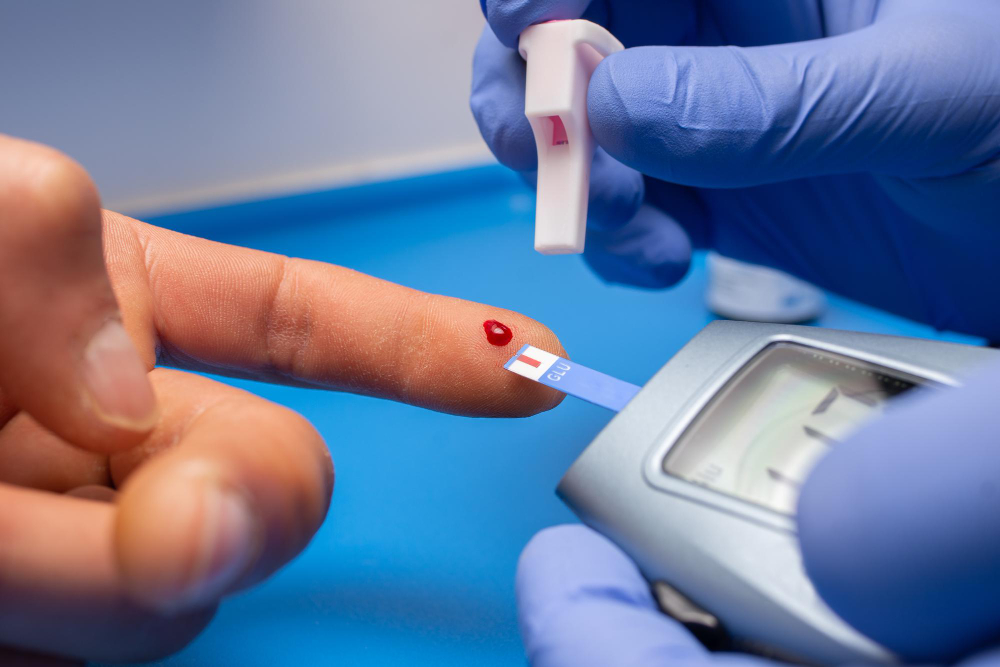
The BSL Fasting Test measures your blood sugar level after fasting, helping detect diabetes, prediabetes, or other glucose-related disorders early.

The Blood Sugar Fasting (BSL) test is a simple yet vital blood test that measures your glucose levels after a fasting period of 8–10 hours. It helps evaluate how effectively your body manages blood sugar and is commonly used to screen for diabetes, prediabetes, or hypoglycemia. Since fasting eliminates the immediate effects of food intake, the test provides accurate insight into your body’s baseline sugar regulation. Regular monitoring through a BSL test can help prevent serious complications associated with high or low glucose levels.
What Is BSL (Blood Sugar Fasting)?
BSL stands for Blood Sugar Level, and the fasting version of this test checks your blood glucose after an overnight fast of at least 8 hours. Since food directly impacts sugar levels, fasting ensures that test results reflect your body’s baseline sugar control — without external influence from recent meals.
This test plays a crucial role in diagnosing and monitoring conditions such as:
Why the Test Is Done
Doctors recommend the Fasting Blood Sugar test for both routine screenings and in cases where symptoms suggest poor sugar control. Common symptoms warranting the test include:
Early detection through fasting BSL testing allows individuals to take corrective measures before complications arise.
How the Test Is Performed
The BSL Fasting Test is a quick and reliable blood test. Here’s what typically happens:
The results are usually available within a few hours, depending on the laboratory.
Understanding the Results
Your fasting blood sugar results help determine how well your body is managing glucose. Typical reference ranges are:
If your results indicate elevated or low glucose levels, your doctor may recommend additional tests such as HbA1c or an Oral Glucose Tolerance Test (OGTT) to confirm diagnosis and guide treatment.
Factors That May Affect Results
Several factors can influence fasting blood sugar results, including:
That’s why it’s important to follow pre-test instructions carefully and share your medical history with your doctor.
Taking Action After the Test
If your BSL Fasting result indicates abnormal blood sugar, your healthcare provider may suggest lifestyle modifications such as:
With consistent monitoring, most people can effectively control their blood sugar levels and reduce the risk of diabetes-related complications.
Key Takeaway
The BSL Fasting Test is more than just a number — it’s a snapshot of your metabolic health. Regular testing helps detect problems early, empowering you to make proactive choices for a healthier life. Whether it’s part of a routine health check or diagnostic evaluation, fasting blood sugar testing remains a cornerstone of preventive healthcare.
1. Glucose, Fasting
2. Fasting Urine Glucose
3. Fasting Urine Ketone

The BSL (Blood Sugar Fasting) test measures your blood glucose levels after an overnight fast of at least 8 hours, helping to diagnose diabetes or prediabetes.
It helps assess how well your body is processing glucose, and is crucial for diagnosing diabetes, prediabetes, or other blood sugar imbalances.
A blood sample is taken after you fast for at least 8 hours, typically in the morning, and analyzed for glucose levels.
You should fast for at least 8 hours before the test, and avoid alcohol, smoking, or excessive physical activity.