
Patient History: The dentist will review your dental and medical history to understand your health background and any previous treatments.

Check-Up Form: The dentist will document your current dental issues, concerns, and any specific symptoms you may be experiencing.
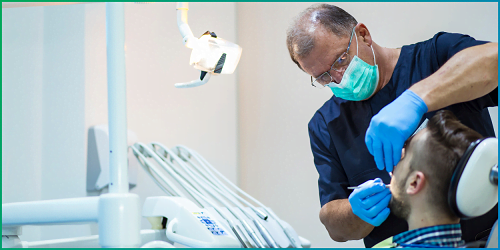
Primary Check-Up: A preliminary examination will be conducted to assess your overall oral health, including the condition of your teeth, gums, and jaw.
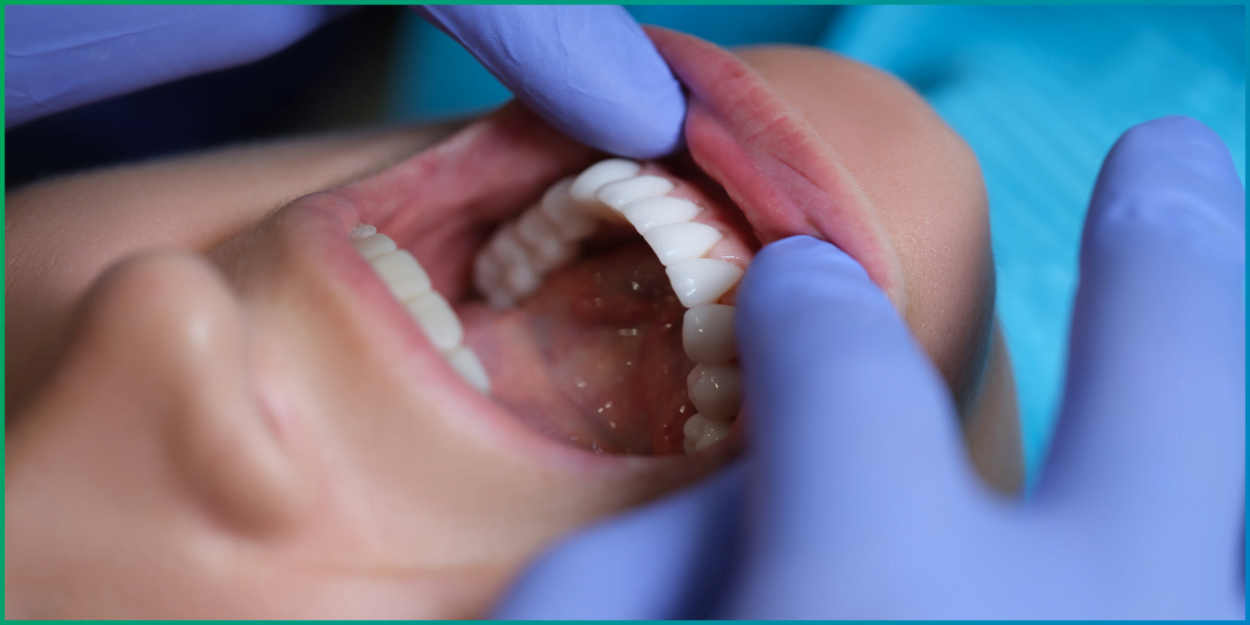
Comprehensive Oral Examination: The dentist will perform a thorough examination of your mouth, checking for signs of decay, gum disease, and other dental problems.

Future Guidance: Based on the findings, the dentist will provide guidance on maintaining good oral hygiene and preventing future issues.

Preventing Unnecessary Expenses and Pain: By catching potential problems early, we help you avoid costly treatments and discomfort later on.
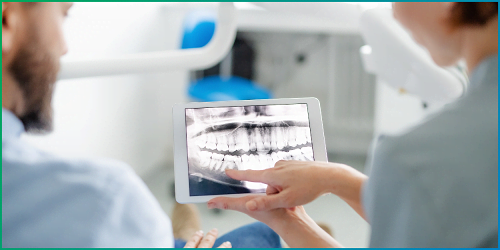
Dental X-Ray (if necessary): If the dentist suspects underlying issues, a dental X-ray may be taken to get a detailed view of your teeth and jawbone.
Diagnosis: After the examination and any necessary X-rays, the dentist will diagnose any existing dental conditions.

Treatment Explanation: The dentist will explain the recommended treatment plan, ensuring that you understand the process, benefits, and costs involved. We focus on providing treatment options that fit within your budget and address your specific needs.
Early Detection of Issues: Regular check-ups help identify dental problems like cavities, gum disease, and oral cancer before they become severe.
Preventive Care: Routine cleanings and exams can prevent costly and painful dental procedures in the future.
Personalized Oral Hygiene Guidance: Your dentist can provide tailored advice on brushing, flossing, and dietary choices that suit your unique needs.
Overall Health Monitoring: Dental check-ups can help detect signs of systemic conditions, such as diabetes and heart disease, which often present symptoms in the mouth.
Maintaining a Bright Smile: Regular visits ensure your teeth remain clean and free from stains, contributing to a more attractive smile.


It is generally recommended to have a dental check-up every six months. However, your dentist may suggest more frequent visits based on your oral health needs.
A typical check-up includes a review of your dental and medical history, a thorough examination of your mouth, teeth, and gums, and possibly X-rays if needed.
Dental check-ups are usually painless. You may experience minor discomfort during specific procedures, but the dentist will take measures to ensure your comfort.
If you experience dental anxiety, discuss your concerns with your dentist. They can offer strategies to help you feel more relaxed during your visit, such as sedation options or relaxation techniques.