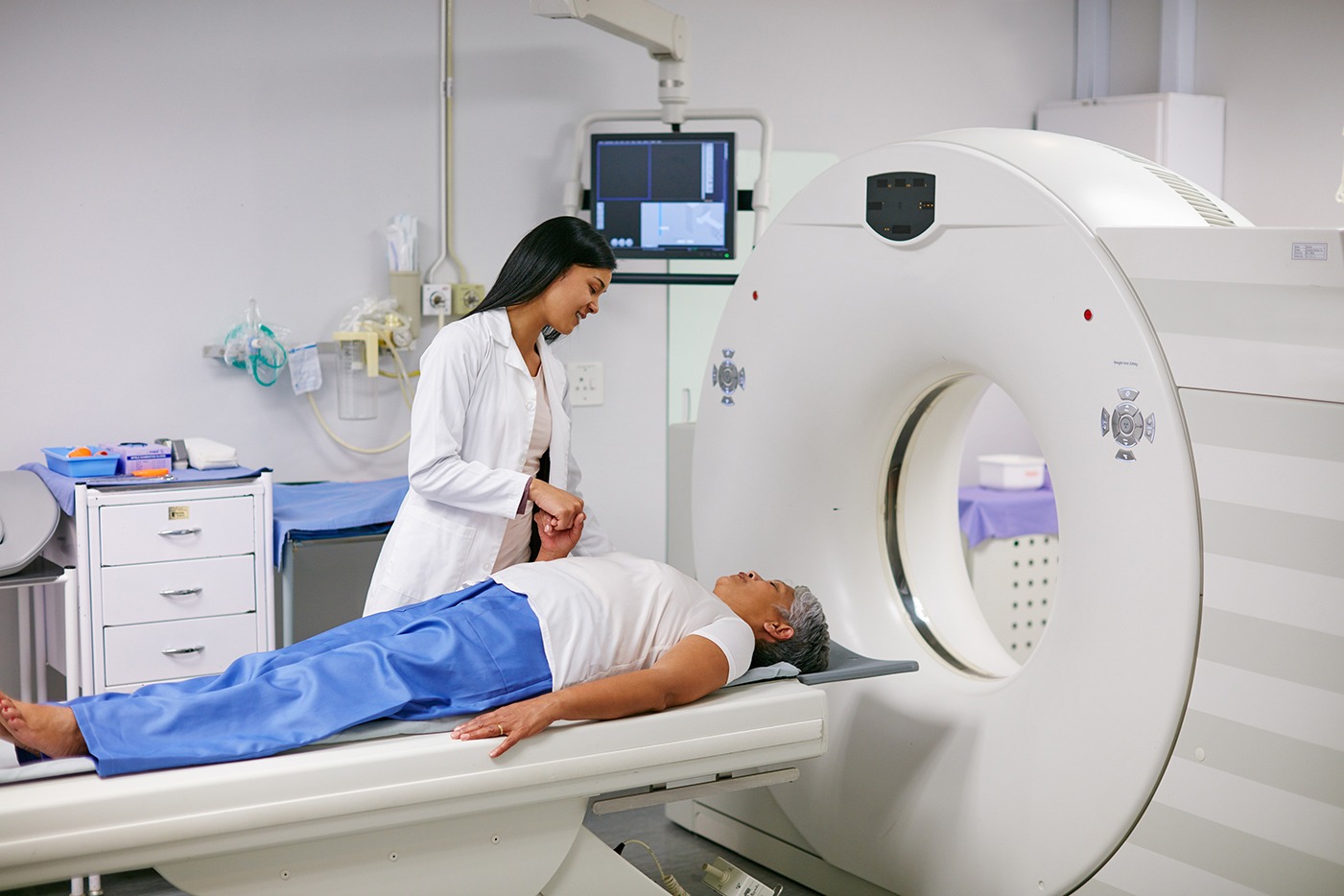
What Is an MRI LS Spine Scan?
MRI stands for Magnetic Resonance Imaging. The LS spine refers to the lumbar and sacral region of the spine.
The scan uses:
-
Strong magnetic fields
-
Radio waves
-
Computer-generated imaging
It produces detailed images of:
-
Vertebrae
-
Spinal discs
-
Nerves
-
Soft tissues
Doctors rely on MRI when X-rays or CT scans cannot provide enough detail.
MRI LS Spine Scan Price in Pune
The cost of an MRI LS spine scan varies based on diagnostic centre, technology, and whether contrast dye is used.
Price may depend on:
-
Contrast vs non-contrast scan
-
Diagnostic centre location
-
Radiologist expertise
Booking through healthcare platforms often provides discounted rates.
Why Is an MRI LS Spine Done?
Doctors recommend this scan when patients experience persistent lower back symptoms or neurological signs.
Visit Now: https://www.diagnopein.com
Common reasons include:
-
Chronic lower back pain
-
Slip disc (herniated disc)
-
Nerve compression
-
Sciatica pain
-
Spinal injury
-
Tumor detection
-
Infection in spine
-
Post-surgery evaluation
MRI helps identify the exact cause so treatment can be planned accurately.
Preparation for MRI LS Spine
Preparation is simple but important.
Before the scan:
-
Remove metal objects (jewellery, belts, watches)
-
Inform doctor about implants or pacemaker
-
Wear loose, comfortable clothing
-
Share pregnancy status if applicable
How the MRI LS Spine Procedure Works
The scan is painless and non-invasive.
Step-by-step process:
-
You lie on a sliding table
-
The table moves into the MRI scanner
-
You must stay still during imaging
-
Machine produces loud tapping sounds
-
Scan takes about 20–40 minutes
If contrast dye is required, it is injected through a vein to improve image clarity.
Benefits of MRI LS Spine
-
No radiation exposure
-
Highly detailed images
-
Early detection of spine disorders
-
Accurate nerve visualization
-
Helps avoid unnecessary surgery
It is considered the most precise imaging method for spinal soft tissues.
Who Should Avoid MRI?
MRI may not be suitable for:
-
Patients with pacemakers
-
Certain metal implants
-
Severe claustrophobia (unless open MRI available)
Always inform your doctor about medical devices before the scan.