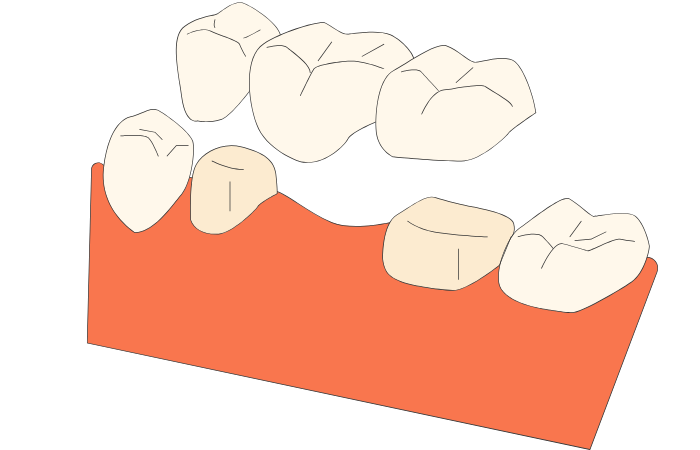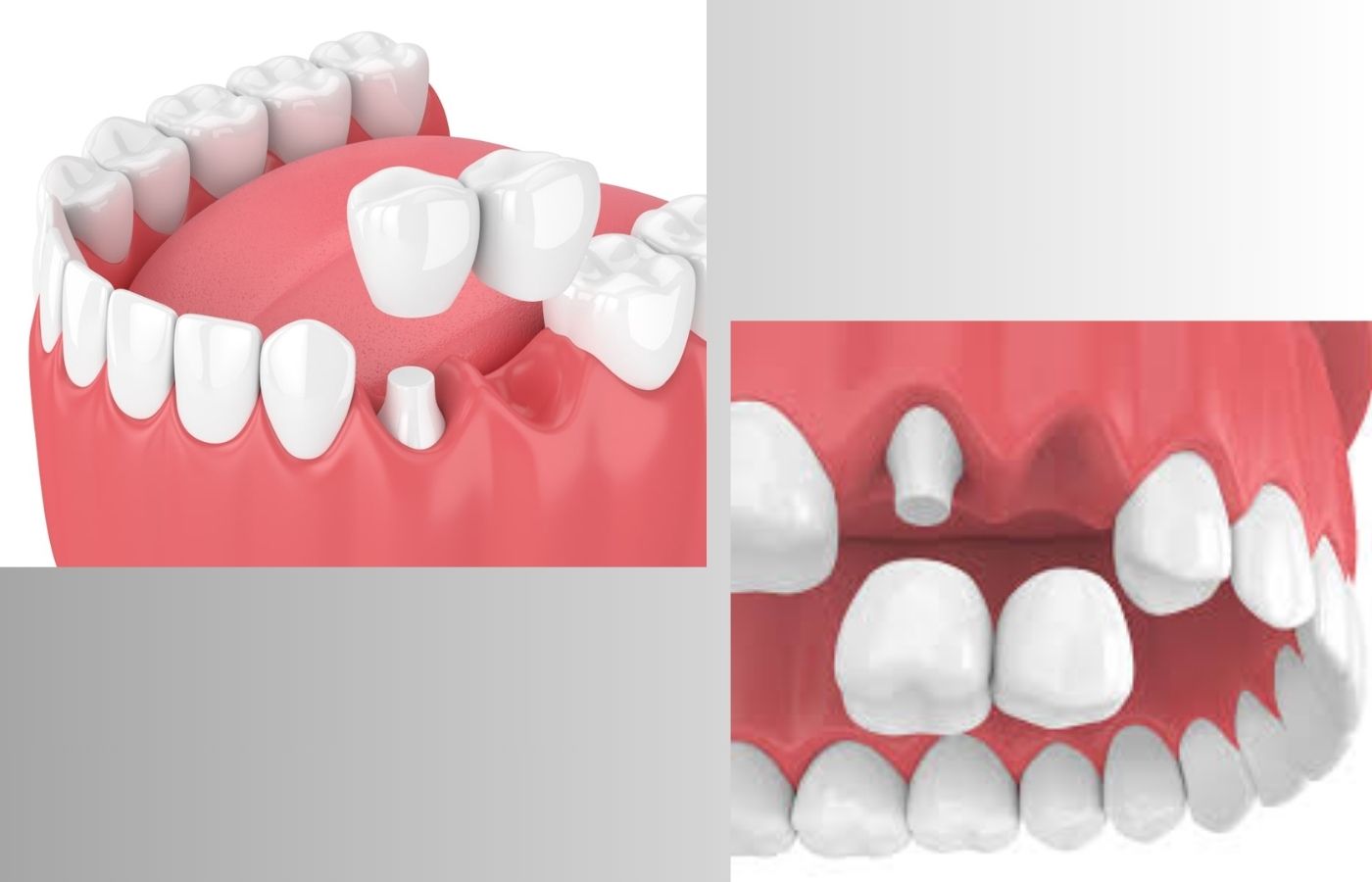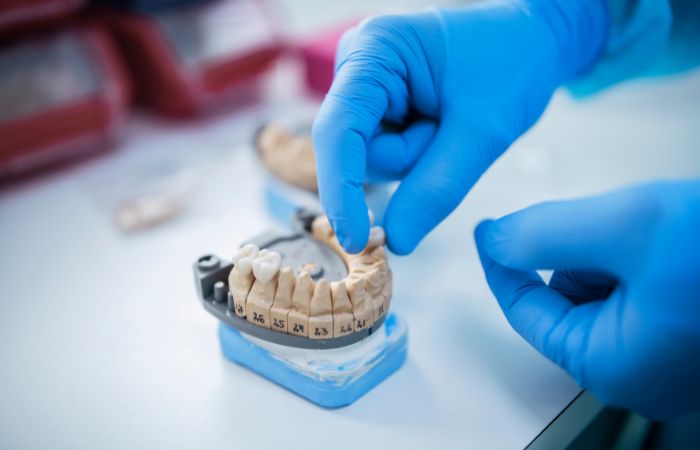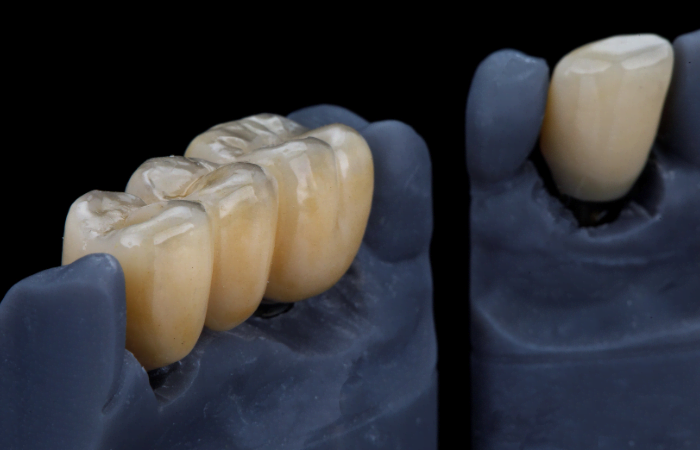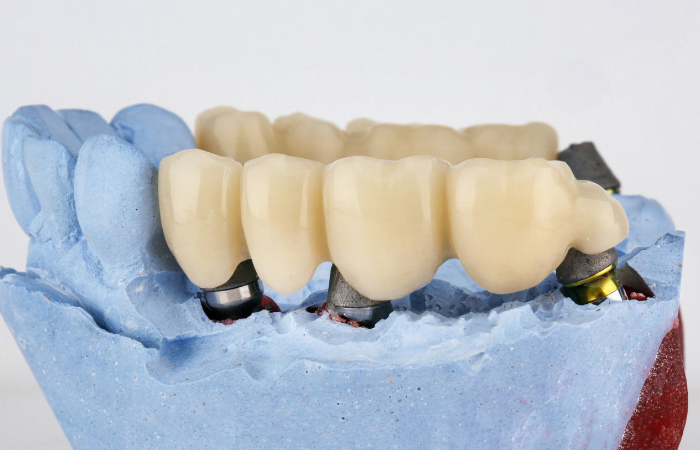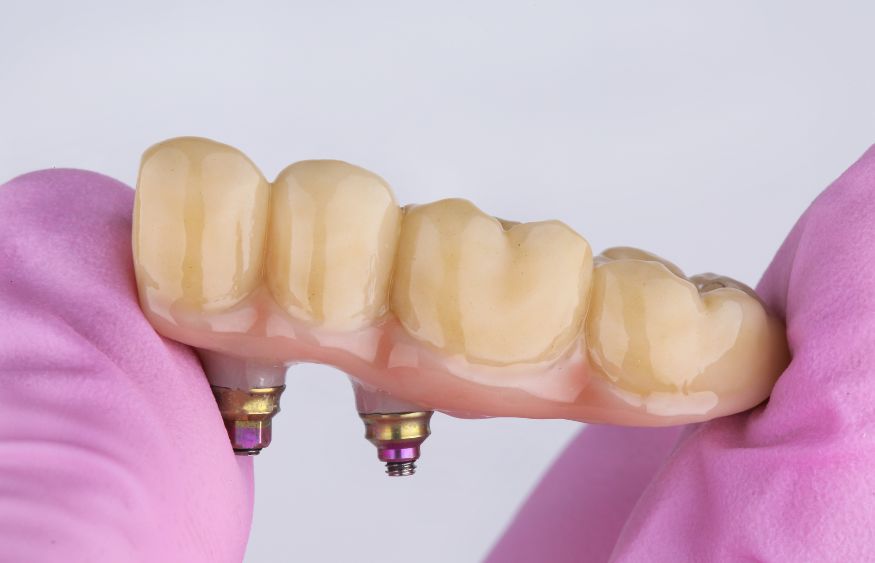
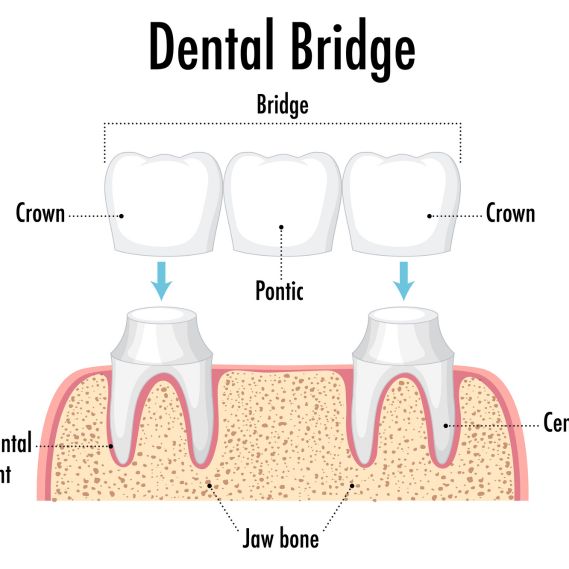
A dental bridge is a remarkable solution for replacing missing teeth, restoring your smile, and improving oral function. However, much like a natural tooth, its longevity depends heavily on the care it receives. Proper cleaning and maintenance are the cornerstones of ensuring your dental bridge remains durable, functional, and aesthetically pleasing for years—often a decade or more.
The Ultimate Guide to Cleaning Your Dental Bridge
Neglecting hygiene around a bridge can lead to plaque buildup, gum disease, and decay in the supporting teeth—ultimately compromising the entire structure.
Essential Tools & Daily Routine:
Specialized Flossing: Standard floss can't reach under the false tooth (pontic). Use a floss threader or super floss to guide the strand under the bridge and along the gumline. Interdental brushes are also excellent for cleaning around the abutment teeth.
Angled Brushing: Use a soft-bristled toothbrush at a 45-degree angle where the bridge meets the gum to clean both the bridge and the natural teeth supporting it.
Water Flosser/ Oral Irrigator: This is a game-changer for dental bridge maintenance. A pulsating stream of water effectively flushes out food particles and bacteria from under the pontic and around the crowns.
Antibacterial Mouthwash: Use an alcohol-free, antimicrobial mouthwash daily to reduce plaque bacteria in hard-to-reach areas, enhancing overall dental bridge durability.
Understanding Dental Bridge Cost: A Diagnostic Investment
The dental bridge cost can vary widely, making it a crucial diagnostic factor in your decision. Costs are influenced by:
Material: Porcelain-fused-to-metal (PFM) is common and affordable; all-ceramic or zirconia offers superior aesthetics at a higher price.
Number of Pontics: Replacing more missing teeth increases complexity and cost.
Geographic Location & Dentist’s Expertise.
Comfort and Long-Term Satisfaction with Your Bridge
Initially, you may experience a short period of adjustment. However, a well-fitted bridge should soon feel diagnostically comfortable and natural. Proper maintenance not only ensures durability but also ensures ongoing comfort by preventing gum inflammation and decay. Any sensation of pressure, looseness, or pain should prompt an immediate visit to your dentist, as it could indicate a need for adjustment or an underlying issue.
Why Choose a Dental Bridge? Key Benefits
Before diving into maintenance, it’s important to understand the diagnostic benefits that make a dental bridge a preferred choice for many patients:
Restored Function: Quickly regains the ability to chew and speak properly, preventing the diagnostic discomfort of a missing tooth.
Aesthetic Improvement: Seamlessly fills gaps, maintaining facial structure and boosting confidence.
Non-Invasive Procedure: Unlike implants, placing a bridge typically doesn’t require surgery, making it a less intimidating procedure for eligible patients.
Prevents Dental Shifting: A bridge stops adjacent teeth from drifting into the empty space, which can cause bite problems and jaw pain—a key diagnostic consideration.
Faster Process: From consultation to final placement, the process is often quicker than a dental implant, providing a faster solution.
Conclusion: Ensuring Your Bridge Stands the Test of Time
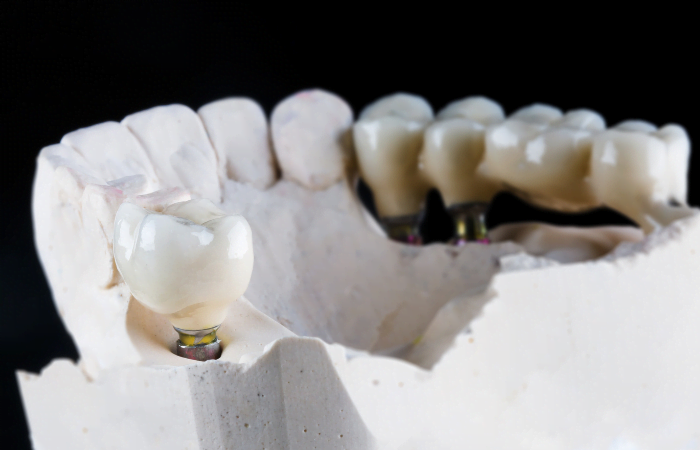
Your dental bridge is a long-term investment in your health, smile, and quality of life. Its long-term durability hinges on a dedicated daily hygiene routine using the right tools and consistent professional care. When weighing the dental bridge vs implant debate, consider your oral health status, budget, and personal preferences through a diagnostic lens.
.jpg "dental implants")





.jpg "ultrasound")
.jpg "dental aligners")
.jpg "dental bridges")

.jpg "dental bridges")
.jpg "dental bridges")
.jpg "dental bridges")
.jpg "Dental Bridges restore your smile")
 (1).jpg "dental bridges and major conditions")