Breast health is an essential part of every woman’s overall well-being. One of the most effective tools for early detection of breast cancer is a mammogram in Mumbai. Many women delay screening because they are unsure about the right time to get tested.
If you live in Mumbai and want to stay proactive about your health, this guide will help you understand when you should schedule a breast cancer screening in Mumbai and what warning signs you must never ignore.
Early detection saves lives. A mammogram is a low-dose X-ray that can find breast changes even before symptoms appear.
Mammograms can detect breast changes years before physical symptoms appear. Early detection improves treatment options, reduces invasive procedures, and significantly increases survival rates.
Doctors generally recommend
Visit Now: https://www.diagnopein.com/radiology-scans/Mumbai
Annual or biennial mammograms starting at age 40
Earlier screening if you have a family history of breast cancer
Immediate screening if you notice unusual breast changes
Any new lump or thickened area in the breast or armpit should be evaluated. While many lumps are benign, imaging is essential to rule out serious conditions.
Book Now: https://www.diagnopein.com
Noticeable changes in the size, contour, or appearance of one breast compared to the other may signal underlying issues that require screening.
Occasional discomfort is common, but persistent or localized pain—especially if unrelated to menstrual cycles—should not be ignored.
Unexpected nipple discharge (especially bloody or clear fluid) or a newly inverted nipple can be warning signs and warrant immediate medical attention.
Dimpling, redness, scaling, or thickening of breast skin may indicate inflammatory breast conditions and should be checked through diagnostic imaging.
Schedule the exam when breasts are least tender
Avoid deodorants or lotions on the day of the test
Wear a two-piece outfit for convenience
Inform the technician about prior surgeries or implants
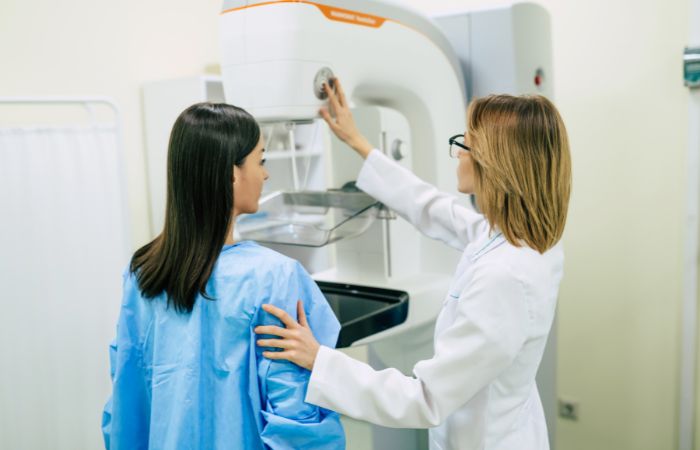
The procedure takes about 20 minutes. Each breast is briefly compressed to obtain clear X-ray images. While it may be uncomfortable, the process is quick and safe.
Recognizing early warning signs and scheduling timely mammograms can save lives. If you notice any unusual breast changes or fall into a high-risk category, consult your healthcare provider about screening options.
Early action leads to better outcomes.